
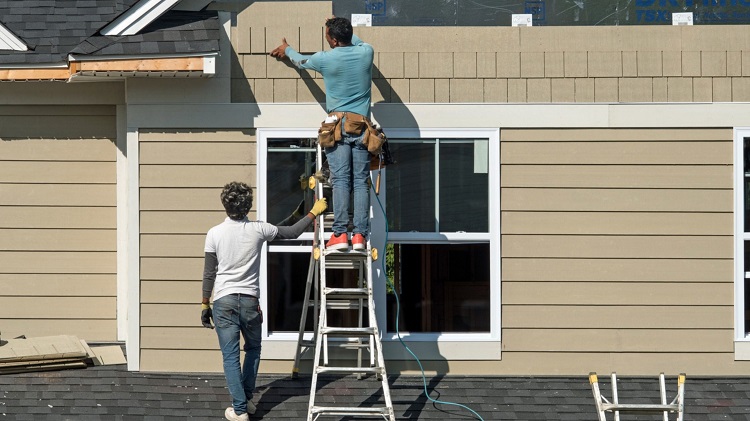
Fiber cement siding has earned a reputation as one of the most durable exterior cladding materials available today. If you've been researching exterior remodeling projects, comparing siding replacement options, or trying to maximize your home's property value, you've probably seen manufacturers and contractors make bold claims about its lifespan.
Some say it lasts 30 years. Others claim 50 years or more.
So what's the real answer?
The truth sits somewhere in the middle, and it depends heavily on installation quality, climate conditions, maintenance habits, and even the surrounding landscape. After working with homeowners who have renovated everything from modest suburban houses to luxury home exterior projects, one thing becomes clear: fiber cement siding can outlast many competing materials, but only when it's installed and maintained correctly.
Let's take a realistic look at how long fiber cement siding really lasts, what affects its lifespan, and whether it's worth the investment compared to alternatives like vinyl siding, engineered wood, and traditional wood siding.
What Is Fiber Cement Siding?
Fiber cement siding is a composite building material made from cement, sand, cellulose fibers, and water.
The combination creates a product that mimics the appearance of wood, masonry, or even shingles while offering superior durability against many of the common threats that damage exterior surfaces.
Popular products from manufacturers like James Hardie have become common across residential construction projects because they combine aesthetics with long-term performance.
Unlike wood, fiber cement doesn't attract termites.
Unlike vinyl siding, it doesn't easily melt or warp.
Unlike some lower-cost exterior materials, it performs exceptionally well during harsh weather events.
These advantages explain why many roofing contractors, exterior renovation specialists, and real estate investors frequently recommend it for long-term property ownership.
How Long Does Fiber Cement Siding Actually Last?
The Short Answer
Most professionally installed fiber cement siding lasts between 30 and 50 years.
In ideal conditions, many systems continue performing beyond 50 years.
Several manufacturers offer warranties ranging from 30 to 50 years, which reflects the confidence they have in the material's durability.
However, warranty length doesn't automatically guarantee lifespan.
A properly installed fiber cement siding system on a well-maintained home in a moderate climate can easily exceed its warranty period.
On the other hand, poor installation practices may cause problems within the first decade.
Real-World Expectations
Here's what many homeowners can realistically expect:
- 0–10 years: Minimal issues with proper maintenance
- 10–20 years: Occasional repainting may become necessary
- 20–30 years: Continued strong performance with routine inspections
- 30–50 years: Excellent durability if moisture management remains effective
- 50+ years: Possible in favorable climates and well-maintained properties
In many exterior inspection reports, fiber cement often shows significantly less deterioration than wood siding of the same age.
Why Fiber Cement Lasts So Long
Several characteristics contribute to its exceptional lifespan.
Resistance to Moisture
Moisture is one of the biggest enemies of home exteriors.
Wood can rot.
Steel can rust.
Even masonry can deteriorate over time when water infiltrates vulnerable areas.
Fiber cement performs remarkably well against moisture exposure when installed with proper flashing and waterproofing solutions.
That doesn't mean it's waterproof.
It still absorbs small amounts of moisture, which is why proper installation details are critical. However, it is far less vulnerable to water damage than traditional wood products.
Resistance to Insects
Termites cause billions of dollars in damage annually across the United States.
One reason homeowners choose fiber cement siding is that insects simply aren't interested in eating it.
For homes located in regions with heavy termite activity, this can translate into significant long-term savings.
Fire Resistance
Fiber cement is non-combustible.
This feature becomes especially valuable in wildfire-prone regions where home insurance providers may evaluate exterior materials when assessing risk.
Many homeowners find that investing in fire-resistant exterior materials contributes to both peace of mind and potentially favorable insurance considerations.
Stability During Temperature Changes
Extreme temperature swings can damage certain siding materials.
Vinyl siding may expand and contract dramatically.
Wood can crack and split.
Fiber cement remains comparatively stable, making it a strong option for areas experiencing hot summers and cold winters.
Factors That Determine Fiber Cement Lifespan
Not every fiber cement installation reaches the 50-year mark.
Several variables influence long-term performance.
Installation Quality Matters More Than Most People Realize
If there's one lesson repeated across countless siding replacement projects, it's this:
Bad installation ruins good materials.
Common installation mistakes include:
- Improper flashing
- Inadequate caulking
- Incorrect fastener placement
- Missing expansion gaps
- Poor moisture barriers
- Improper clearance from soil
Even premium building materials can't compensate for careless workmanship.
When collecting contractor quotes, homeowners should focus on experience rather than simply choosing the lowest price.
An experienced exterior remodeling contractor often saves money in the long run.
Climate Conditions
Climate significantly influences durability.
Dry Climates
Homes in arid regions generally experience fewer moisture-related problems.
Fiber cement frequently achieves its maximum lifespan in these environments.
Coastal Areas
Salt exposure, humidity, and strong winds create more challenging conditions.
Regular exterior inspections become especially important.
Freeze-Thaw Regions
Areas experiencing repeated freezing and thawing can place additional stress on all exterior materials.
Fortunately, fiber cement generally performs well when properly installed.
Maintenance Habits
Even low-maintenance materials require some care.
Homeowners who regularly inspect their siding often identify minor issues before they become major repairs.
Simple maintenance can extend lifespan considerably.
How Often Does Fiber Cement Need Painting?
One common misconception is that fiber cement never requires painting.
That's not true.
Most factory-finished products maintain their appearance for approximately 10 to 15 years before repainting becomes necessary.
Field-painted products may require repainting sooner depending on exposure.
Factors affecting paint longevity include:
- Sun exposure
- Weather conditions
- Paint quality
- Installation orientation
- Local climate
Professional exterior painting services can dramatically refresh aging fiber cement siding without requiring full replacement.
Compared to replacing siding, repainting represents a relatively affordable exterior renovation cost.
Common Problems That Shorten Fiber Cement Lifespan
Although highly durable, fiber cement isn't indestructible.
Moisture Intrusion
Most major failures occur when water penetrates behind the siding system.
This issue usually results from installation defects rather than material failure.
Improper Ground Clearance
Siding installed too close to soil can absorb excess moisture.
Landscape beds, mulch, and improper grading sometimes contribute to premature deterioration
Neglected Caulking
Sealants eventually age.
Ignoring deteriorating caulk around windows, doors, and trim can allow moisture infiltration.
Impact Damage
While stronger than vinyl siding, fiber cement can crack when struck by heavy objects.
Falling tree limbs, sports equipment, and severe storm debris occasionally cause localized damage.
Fiber Cement vs Vinyl Siding Lifespan
Many homeowners compare fiber cement siding directly against vinyl siding.
Here's how they generally compare.
Fiber Cement
Advantages:
- 30–50+ year lifespan
- Superior fire resistance
- Better impact resistance
- Premium appearance
- Stronger resale appeal
Disadvantages:
- Higher installation costs
- Heavier material
- Requires repainting
Vinyl Siding
Advantages:
- Lower upfront cost
- Minimal painting requirements
- Easier installation
Disadvantages:
- Typically 20–40 year lifespan
- Can crack in cold weather
- May warp under extreme heat
- Lower perceived value
For homeowners focused on long-term real estate value, fiber cement often emerges as the stronger investment despite higher initial costs.
Does Fiber Cement Increase Property Value?
In many cases, yes.
Buyers increasingly recognize the benefits of durable exterior materials.
A well-maintained fiber cement exterior can improve:
- Curb appeal
- Home marketability
- Buyer confidence
- Perceived construction quality
- Long-term maintenance expectations
When combined with upgrades such as energy-efficient windows, roof replacement, gutter installation, and professional landscaping investment, fiber cement siding can significantly strengthen a home's overall presentation.
Many real estate professionals view exterior upgrades as some of the most visible improvements a homeowner can make.
What Does Fiber Cement Cost Over Its Lifetime?
Fiber cement generally costs more upfront than vinyl.
However, evaluating only installation cost tells an incomplete story.
A more useful approach considers lifecycle cost.
For example:
A homeowner who installs vinyl may eventually face multiple repair cycles or earlier replacement.
A homeowner who installs fiber cement may spend more initially but enjoy decades of reliable performance with fewer major interventions.
When evaluating exterior renovation cost, it's helpful to think beyond the next five years and consider ownership over twenty to thirty years.
This broader perspective often changes the financial equation.
Maintenance Tips to Maximize Lifespan
Homeowners can take several practical steps to extend siding longevity.
Inspect Annually
Walk around the property once or twice per year.
Look for:
- Cracks
- Loose caulking
- Damaged trim
- Moisture stains
- Impact damage
Keep Gutters Working Properly
Poor drainage is responsible for countless exterior problems.
Routine gutter installation maintenance and cleaning help protect siding, foundations, and landscaping.
Trim Landscaping
Bushes and tree branches should not remain in constant contact with siding surfaces.
Adequate airflow helps reduce moisture retention.
Wash Periodically
Exterior cleaning services can remove dirt, mildew, and environmental contaminants.
Many homeowners find that a gentle cleaning every year or two helps preserve appearance.
Address Repairs Quickly
Small repairs rarely stay small.
Prompt attention prevents minor issues from becoming expensive problems.
Is Fiber Cement Worth It for Every Home?
Not necessarily.
The best siding choice depends on budget, location, ownership plans, and aesthetic preferences.
Fiber cement often makes the most sense when:
- You plan to stay long term
- Durability is a priority
- You want strong curb appeal
- Fire resistance matters
- Property value is important
- You prefer premium building materials
For short-term ownership situations, lower-cost alternatives may sometimes offer better financial returns.
Signs It's Time to Replace Fiber Cement Siding
Although replacement is uncommon during the first several decades, it eventually becomes necessary.
Watch for:
- Extensive cracking
- Severe moisture damage
- Widespread delamination
- Structural movement
- Persistent water intrusion
- Multiple recurring repairs
A professional exterior inspection can determine whether repair or full siding replacement represents the better option.
Fiber Cement and Other Exterior Upgrades
One overlooked advantage of siding replacement projects is the opportunity to improve the entire building envelope.
Many homeowners combine siding upgrades with:
- Roof replacement
- New roofing materials
- Energy-efficient windows
- Window replacement
- Insulation upgrades
- Storm damage repair
- Waterproofing solutions
- Exterior painting services
Bundling projects often reduces labor costs and improves overall performance.
The result isn't simply a better-looking home.
It's a stronger, more efficient, and more valuable property.
Frequently Asked Questions
Can fiber cement siding last 50 years?
Yes. Many properly installed systems remain functional for 50 years or longer when maintained appropriately.
Is fiber cement better than vinyl siding?
For durability, fire resistance, impact resistance, and resale appeal, fiber cement generally outperforms vinyl siding. However, vinyl usually costs less upfront.
Does fiber cement rot?
Fiber cement itself is highly resistant to rot. Problems usually occur when moisture penetrates behind the siding due to installation defects.
How often should fiber cement siding be painted?
Most factory-finished products require repainting approximately every 10 to 15 years, although climate conditions can influence timing.
Is fiber cement siding worth the extra cost?
For homeowners focused on long-term ownership, property value, curb appeal, and durability, fiber cement frequently justifies its higher initial investment.
Can fiber cement withstand storms?
Yes. Fiber cement performs exceptionally well against wind, hail, and many weather-related threats compared to numerous alternative siding materials.
Final Thoughts
So, how long does fiber cement siding really last?
For most homeowners, a realistic expectation is somewhere between 30 and 50 years, with many installations exceeding that range when properly maintained. The material's reputation for longevity isn't marketing hype. It has been proven across decades of residential construction projects throughout the United States.
What ultimately determines success isn't just the product itself. Proper installation, regular inspections, effective moisture management, quality contractor workmanship, and ongoing maintenance all play major roles. Homeowners who view siding as a long-term investment rather than a short-term expense often find fiber cement delivers exceptional value.
When paired with complementary upgrades like roofing improvements, gutter installation, energy-efficient windows, insulation enhancements, and thoughtful landscaping, fiber cement siding becomes part of a larger strategy to protect home equity, increase property value, strengthen curb appeal, and create a more resilient home exterior for decades to come.

