
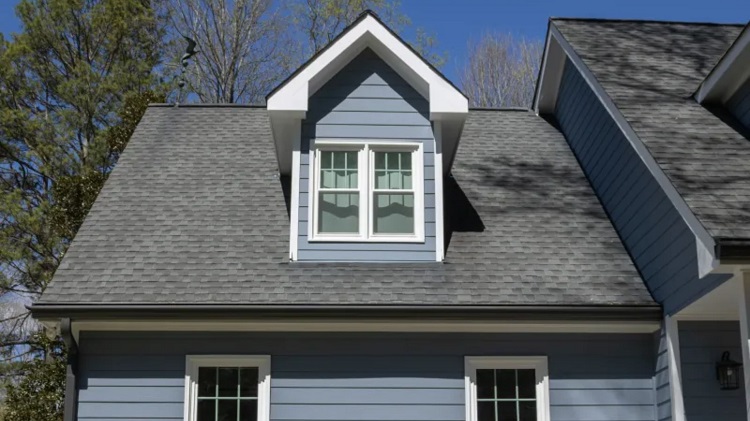
Your home's siding does a lot more than make the exterior look attractive. It acts as a protective barrier against rain, wind, moisture, insects, temperature fluctuations, and countless other environmental threats. Yet many homeowners don't think much about their siding until something goes wrong.
The problem is that siding issues rarely stay small. What begins as a minor crack, loose panel, or patch of discoloration can quietly evolve into water intrusion, structural deterioration, mold growth, insulation problems, and thousands of dollars in unexpected repairs.
Over the years, contractors, property investors, and home improvement professionals have repeatedly seen the same costly mistakes. Homeowners often delay repairs, choose the wrong materials, hire unqualified contractors, or underestimate the importance of routine exterior inspections.
The good news is that most expensive siding failures are preventable.
This guide explores the most expensive siding repair mistakes homeowners make, why they happen, how much they can cost, and what you can do to protect your home, property value, and long-term investment.
Why Siding Repairs Matter More Than Most Homeowners Realize
Many people view siding as a cosmetic feature. While curb appeal is certainly important, siding serves several critical functions:
- Protects structural framing from moisture
- Improves energy efficiency
- Supports insulation performance
- Helps prevent pest infestations
- Increases property value
- Reduces exterior renovation costs over time
- Enhances home insurance claim protection after storms
When siding fails, damage often spreads beyond the visible surface. Water can penetrate wall cavities, insulation can become saturated, and wood framing may begin to rot long before obvious warning signs appear.
That is why siding repair mistakes tend to become some of the most expensive home improvement errors homeowners face.
Mistake #1: Waiting Too Long to Address Minor Damage
This is easily the most common and expensive mistake.
A small crack in vinyl siding may seem insignificant. A slightly warped fiber cement panel might not appear urgent. Even a few loose boards can seem harmless.
Unfortunately, water has a way of finding the smallest opening.
Once moisture enters behind siding, it can affect:
- House wrap
- Insulation
- Wall sheathing
- Structural framing
- Interior drywall
What might have been a $200 repair can quickly become a $5,000 to $20,000 restoration project.
Real-World Example
A homeowner notices a small section of cracked vinyl siding after a hailstorm. Rather than scheduling a repair, they decide to monitor it.
Two years later, moisture infiltration has damaged insulation and wall sheathing. The repair now involves:
- Siding replacement
- Mold remediation
- Structural repairs
- Exterior painting services
The total cost exceeds $12,000.
Early intervention would have cost less than $500.
Mistake #2: Ignoring Water Stains and Discoloration
Discoloration is often dismissed as dirt, aging, or sun exposure.
Sometimes that's true.
But staining can also indicate:
- Water infiltration
- Hidden leaks
- Improper flashing
- Gutter installation issues
- Roofing failures
- Condensation problems
Dark streaks, green growth, and persistent stains deserve investigation.
What Homeowners Should Do
Schedule an exterior inspection if you notice:
- Peeling paint
- Bubbling finishes
- Mold growth
- Persistent damp spots
- Unusual discoloration patterns
Addressing moisture problems early can prevent costly residential construction repairs later.
Mistake #3: Choosing the Cheapest Repair Option
Everyone wants to save money.
The challenge is that the cheapest contractor quote is not always the most economical choice.
Low-budget repairs often involve:
- Inferior materials
- Inexperienced labor
- Improper installation methods
- Missing waterproofing solutions
- Lack of permits when required
A poorly executed repair frequently fails within a few years, forcing homeowners to pay twice.
Better Approach
Instead of focusing exclusively on price, evaluate:
- Contractor experience
- Warranty coverage
- Material quality
- Customer reviews
- Licensing and insurance
- Project scope
Premium building materials may cost more initially, but they often provide significantly better long-term value.
Mistake #4: Mixing Incompatible Siding Materials
Many homeowners attempt partial repairs without considering material compatibility.
For example:
- New vinyl siding next to aging vinyl panels
- Different grades of fiber cement siding
- Mismatched expansion characteristics
- Incompatible moisture barriers
This creates several problems:
- Visible appearance differences
- Uneven weathering
- Moisture penetration risks
- Reduced resale appeal
In luxury home exterior projects, mismatched repairs can significantly impact curb appeal and real estate value.
Expert Recommendation
Whenever possible, use matching materials from the original manufacturer. If exact matches are unavailable, discuss full section replacement with your contractor.
Mistake #5: Overlooking Roofing Problems
Siding and roofing work together as a complete exterior protection system.
Many siding failures actually originate from roofing issues.
Common culprits include:
- Damaged flashing
- Missing shingles
- Ice dams
- Poor roof drainage
- Incorrect roof replacement installation
Water entering through roofing materials often travels behind siding before becoming visible.
This is why reputable contractors inspect both systems during evaluations.
Why This Matters
Homeowners sometimes spend thousands on siding repairs only to discover that the actual source of moisture is the roof.
Before investing in major siding replacement, request a thorough roofing assessment.
Mistake #6: Neglecting Gutters and Drainage Systems
Improper water management destroys siding faster than many homeowners realize.
Poor gutter installation can lead to:
- Overflowing rainwater
- Foundation saturation
- Splash-back damage
- Accelerated siding deterioration
Water repeatedly running down exterior walls can damage:
- Vinyl siding
- Fiber cement siding
- Wood trim
- Paint systems
Signs of Drainage Problems
Look for:
- Soil erosion near walls
- Water stains beneath gutters
- Mold growth
- Rotting trim
- Peeling paint
Proper drainage is one of the most cost-effective home improvement investments available.
Mistake #7: DIY Repairs Without Understanding Moisture Management
The internet has made DIY projects more accessible than ever.
However, siding repair is not always a beginner-friendly task.
The visible siding panel is only one layer in a larger moisture control system.
Behind the siding may be:
- House wrap
- Vapor barriers
- Flashing systems
- Insulation layers
- Ventilation components
Improper repairs can trap moisture inside walls.
Hidden Risks
Many homeowners successfully replace a damaged panel but unknowingly compromise:
- Waterproofing performance
- Ventilation pathways
- Expansion gaps
- Drainage channels
The resulting damage may remain hidden for years.
Mistake #8: Failing to Inspect After Severe Weather
Storm damage repair should begin with inspection, not assumptions.
After severe weather events, homeowners often look for obvious destruction while missing subtle signs of damage.
Potential issues include:
- Hail impacts
- Wind-lifted panels
- Loose fasteners
- Water intrusion points
- Hidden cracking
Post-Storm Checklist
After major storms:
- Walk around the property.
- Inspect siding and roofing materials.
- Check gutters and downspouts.
- Photograph any damage.
- Contact your home insurance provider if necessary.
- Schedule a professional exterior inspection.
Prompt documentation can make insurance claims significantly easier.
Mistake #9: Not Understanding Material Lifespans
Different siding products have very different life expectancies
Vinyl Siding
Pros:
- Affordable
- Low maintenance
- Wide variety of colors
Cons:
- Can crack in extreme weather
- Vulnerable to impact damage
Average lifespan: 20–40 years
Fiber Cement Siding
Pros:
- Highly durable
- Fire resistant
- Excellent appearance
Cons:
- Higher installation costs
- Heavier materials
Average lifespan: 30–50 years or more
Wood Siding
Pros:
- Classic appearance
- Strong curb appeal
Cons:
- Higher maintenance requirements
- Vulnerable to moisture
Average lifespan: 20–40 years with proper care
Understanding lifespan expectations helps homeowners determine whether repair or full siding replacement is the smarter investment.
Mistake #10: Delaying Full Replacement When It Is Clearly Necessary
Many homeowners continue patching old siding long after replacement becomes the better financial decision.
Repeated repairs can become surprisingly expensive.
Consider replacement when:
- Damage is widespread
- Moisture problems are recurring
- Repairs exceed 30–40% of replacement cost
- Energy bills continue rising
- Multiple sections have failed
In many cases, modern siding systems provide improved insulation and energy efficiency that help offset installation costs over time.
Mistake #11: Forgetting About Energy Efficiency
Damaged siding affects more than appearance.
Compromised siding can reduce thermal performance and increase heating and cooling costs.
Homeowners focused solely on repair expenses sometimes overlook ongoing utility losses.
Exterior Upgrades That Improve Efficiency
Many homeowners combine siding projects with:
- Energy-efficient windows
- Window replacement
- Insulation upgrades
- Air sealing improvements
Bundling exterior remodeling projects often delivers better long-term returns.
Mistake #12: Choosing Appearance Over Performance
A siding product may look fantastic in a showroom.
That doesn't mean it is ideal for your climate.
Local conditions matter.
Consider:
- Humidity
- Rainfall
- Freeze-thaw cycles
- Coastal exposure
- Wind loads
- Sun intensity
Some premium building materials perform exceptionally well in one region and poorly in another.
Always prioritize durability and weather performance over appearance alone.
Mistake #13: Skipping Regular Exterior Inspections
Most expensive siding failures share one thing in common.
They went unnoticed for too long.
Professional inspections often identify:
- Hidden moisture intrusion
- Flashing failures
- Insect activity
- Structural concerns
- Drainage issues
Recommended Schedule
Experts generally recommend:
- Annual exterior inspections
- Additional inspections after severe storms
- Roofing and siding evaluations before buying or selling a property
These inspections can save thousands in future repairs.
How Siding Problems Affect Property Value
Many homeowners underestimate how strongly exterior condition influences buyers.
Potential buyers immediately notice:
- Warped panels
- Faded siding
- Visible damage
- Poor maintenance
Exterior condition affects perceptions of overall home care.
Even if the interior is immaculate, neglected siding can reduce offers and slow sales.
Benefits of Proper Maintenance
Well-maintained siding can:
- Increase curb appeal
- Protect home equity
- Support higher resale values
- Improve buyer confidence
- Reduce inspection-related negotiations
For investors and homeowners alike, exterior maintenance is often one of the highest-return improvements available.
Repair vs. Replacement: Which Is More Cost-Effective?
Repair Makes Sense When
- Damage is localized
- Materials remain available
- Moisture intrusion is minimal
- The siding is relatively new
Replacement Makes Sense When
- Damage is widespread
- Repairs are recurring
- Energy performance is poor
- Multiple exterior systems need upgrading
Many contractors recommend evaluating total lifecycle costs rather than focusing solely on immediate expenses.
A larger investment today may prevent repeated repair bills over the next decade.
Cost Factors Homeowners Should Understand
Several variables influence siding project costs.
Material Type
Fiber cement siding typically costs more than vinyl siding but often offers greater durability.
Home Size
Larger homes require more labor and materials.
Accessibility
Multi-story structures generally increase labor costs.
Existing Damage
Rot, mold, and structural repairs significantly increase expenses.
Regional Labor Rates
Contractor quotes vary substantially across different markets.
Additional Exterior Improvements
Projects frequently overlap with:
- Roof replacement
- Gutter installation
- Exterior painting services
- Landscaping investment
- Waterproofing solutions
Combining projects can sometimes reduce overall labor expenses.
Expert Tips for Avoiding Expensive Siding Mistakes
Inspect Twice Per Year
Spring and fall inspections catch problems before they escalate.
Keep Gutters Clean
Effective water management extends siding lifespan dramatically.
Trim Landscaping
Overgrown vegetation traps moisture against exterior walls.
Address Storm Damage Immediately
Even small issues can become major structural concerns.
Hire Qualified Contractors
Experience matters, especially when moisture management systems are involved.
Compare Multiple Estimates
Request at least three contractor quotes before committing.
Invest in Quality Materials
Premium products typically deliver better longevity and performance.
Think Long-Term
Evaluate repair decisions based on total ownership costs, not just today's invoice.
Frequently Asked Questions
What is the most expensive siding repair mistake?
Waiting too long to address minor damage is often the costliest mistake. Small cracks or loose panels can eventually lead to water intrusion, mold growth, insulation damage, and structural deterioration.
Does homeowners insurance cover siding repairs?
Home insurance may cover sudden damage caused by storms, hail, wind, or other covered events. Normal wear and tear or neglected maintenance are usually excluded.
How often should siding be inspected?
Most professionals recommend annual inspections, with additional evaluations after severe weather events.
Is fiber cement siding worth the extra cost?
For many homeowners, yes. Fiber cement siding offers excellent durability, fire resistance, and longevity, making it a strong long-term investment.
Can damaged siding affect energy bills?
Absolutely. Damaged siding can reduce insulation effectiveness and allow air leakage, increasing heating and cooling costs.
Should I repair or replace aging siding?
The answer depends on age, condition, repair frequency, and overall costs. If repairs are becoming frequent and widespread, replacement may provide better long-term value.
Final Thoughts
The biggest siding repair expenses rarely come from catastrophic events. More often, they result from small issues that were ignored, underestimated, or repaired incorrectly. A loose panel, a tiny crack, clogged gutters, or a minor roof leak can quietly evolve into a major exterior renovation project that impacts structural integrity, home equity, and property value.
Homeowners who approach siding maintenance proactively tend to spend far less over the life of their homes. Regular inspections, quality workmanship, proper drainage, and timely repairs create a powerful combination that protects both the building and the investment behind it.
Whether you own a starter home, manage rental properties, or maintain a luxury home exterior, understanding these costly siding repair mistakes can help you avoid unnecessary expenses while preserving curb appeal, energy efficiency, and long-term real estate value.

