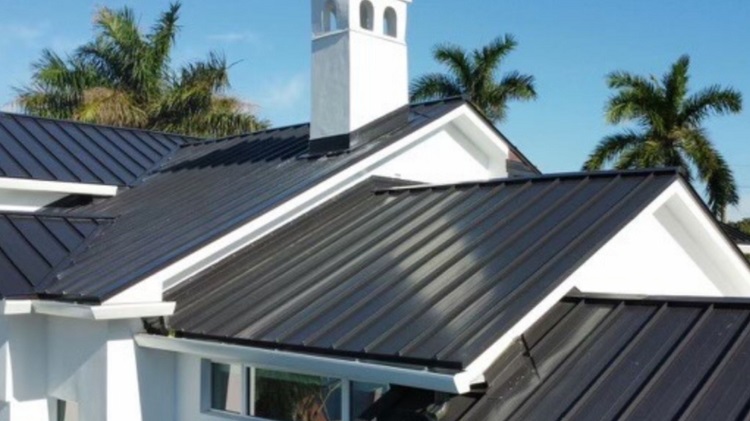
Roof Replacement Financing With No Equity Required

7 min read

# Roof Replacement Financing With No Equity Required Replacing a roof is one of those home improvement projects that most homeowners know is important but hope they can postpone for as long as possible. Unfortunately, roofs rarely fail at a convenient time. A major leak, missing shingles after a storm, or signs of structural deterioration often force homeowners into making quick decisions. The challenge becomes even greater when the roof needs immediate attention and the homeowner has little or no available home equity. For years, many people assumed that financing a roof replacement required borrowing against their property through a home equity loan or a home equity line of credit (HELOC). While those options still exist, they are no longer the only path. Today, several financing solutions allow homeowners to replace aging roofs without tapping into home equity at all. Whether you're dealing with storm damage, preparing a property for sale, upgrading a luxury home exterior, or simply protecting your investment, understanding roof replacement financing with no equity required can help you move forward without delaying essential repairs. ## Why Roof Replacement Should Never Be Delayed A roof is much more than a protective covering. It is a critical component of the home's exterior system that works alongside siding replacement projects, gutter installation, insulation upgrades, waterproofing solutions, and exterior painting services to protect the structure. When roofing problems are ignored, the consequences often spread far beyond the roof itself. Water infiltration can damage: * Attic insulation * Drywall and ceilings * Electrical systems * Structural framing * Flooring * HVAC equipment In many cases, a $12,000 roof replacement cost can quickly become a $30,000 restoration project if moisture damage reaches multiple parts of the home. As someone who has worked around residential construction projects for years, one pattern appears repeatedly: homeowners who address roofing issues early almost always spend less than those who wait. ## Can You Finance a Roof Replacement Without Home Equity? Yes. Many lenders now offer unsecured financing programs specifically designed for home improvement projects. Unlike traditional home equity loans, these financing options do not require homeowners to borrow against the equity they've built in their property. Approval is typically based on factors such as: * Credit score * Income * Debt-to-income ratio * Employment history * Overall financial profile This makes financing accessible even for: * First-time homeowners * Recently purchased properties * Homeowners with limited equity * Investors who prefer not to leverage property equity * Families facing emergency roof replacement situations ## Common Roof Replacement Financing Options With No Equity Required ### Personal Home Improvement Loans Personal loans have become one of the most popular financing tools for roofing projects. These loans are unsecured, meaning no collateral is required. Advantages include: * Fast approval process * Fixed monthly payments * Predictable interest rates * No appraisal requirements * No home equity needed Loan amounts commonly range from $5,000 to $100,000 depending on the lender and borrower qualifications. Many homeowners appreciate the simplicity. Once approved, funds can often be deposited within a few days, allowing work to begin quickly. ### Roofing Contractor Financing Programs Many roofing contractors now partner with financing companies to provide payment plans directly to customers. These programs may include: * Deferred payments * Low-interest financing * Promotional interest rates * Fixed payment schedules When requesting contractor quotes, homeowners should always ask about financing availability. Some roofing contractors can secure financing approvals within minutes through online applications. However, it is important to carefully review promotional offers. Deferred-interest programs sometimes charge retroactive interest if the balance is not paid within the promotional period. ### Credit Union Home Improvement Loans Credit unions frequently offer competitive financing products that are less widely advertised than traditional bank loans. Benefits often include: * Lower interest rates * Flexible repayment terms * Personalized underwriting * Reduced fees Many homeowners are surprised to learn that credit unions may provide more favorable terms than national lenders, particularly for borrowers with strong credit histories. ### Government-Supported Programs Certain local, state, and federal programs may assist homeowners with exterior renovation costs. Eligibility varies based on: * Income * Location * Property type * Veteran status * Energy efficiency improvements Programs that encourage energy-efficient roofing materials or storm-resilient upgrades may provide financing incentives or rebates. Before selecting a financing option, homeowners should check local housing resources for available assistance. ## How Much Does Roof Replacement Cost? Roof replacement cost depends on several factors. ### Asphalt Shingle Roof Average cost: $8,000–$18,000 This remains the most common roofing material in the United States due to affordability and durability. ### Metal Roofing Average cost: $12,000–$35,000 Metal roofs offer excellent longevity and improved energy efficiency. ### Tile Roofing Average cost: $15,000–$50,000+ Tile systems are often found on premium homes and luxury home exterior projects. ### Slate Roofing Average cost: $20,000–$80,000+ Slate is among the most durable premium building materials available but carries significant installation costs. ### Factors Affecting Price Several variables influence total project expenses: * Roof size * Roof pitch * Material selection * Labor rates * Geographic location * Permit requirements * Structural repairs * Ventilation upgrades * Waterproofing systems Obtaining multiple contractor quotes remains one of the smartest ways to evaluate pricing. ## Financing Versus Waiting: Which Costs More? Many homeowners hesitate to finance a roof replacement because they dislike carrying debt. While that concern is understandable, delaying necessary work often becomes more expensive. Consider a simple example: A homeowner discovers a roof leak requiring a $14,000 replacement. Instead of financing the project, they postpone repairs for two years. During that time: * Moisture damages insulation * Mold develops in the attic * Ceiling repairs become necessary * Energy bills increase The final repair bill may exceed $25,000. In this scenario, financing the roof replacement immediately would likely have saved thousands. ## Credit Score Requirements for Roof Financing Approval requirements vary by lender. Generally speaking: ### Excellent Credit 740+ Typically qualifies for the lowest rates and best repayment terms. ### Good Credit 680–739 Often receives competitive financing options. ### Fair Credit 620–679 May still qualify but at higher interest rates. ### Below 620 Financing options may be more limited, though some lenders specialize in serving borrowers with challenged credit histories. Even homeowners with lower credit scores should explore available programs before assuming financing is impossible. ## Roofing and Home Insurance Home insurance can sometimes reduce out-of-pocket costs. Coverage depends on: * Cause of damage * Policy terms * Roof age * Maintenance history Storm damage repair claims are among the most common roofing-related insurance claims. Events that may qualify include: * Wind damage * Hail damage * Falling trees * Lightning strikes Insurance generally does not cover deterioration caused by neglect or normal aging. A professional exterior inspection can help document damage and determine whether an insurance claim is appropriate. ## Choosing Roofing Materials Wisely Financing makes roof replacement possible, but selecting the right roofing materials remains equally important. ### Asphalt Shingles Pros: * Affordable * Widely available * Easy repairs Cons: * Shorter lifespan than premium materials ### Metal Roofing Pros: * Long lifespan * Excellent durability * Energy efficiency benefits Cons: * Higher initial cost ### Architectural Shingles Pros: * Improved curb appeal * Better weather resistance * Strong resale value Cons: * Moderately higher cost The best choice often depends on budget, climate, property value goals, and long-term ownership plans. ## How Roof Replacement Impacts Property Value Few exterior renovation projects provide as much visible impact as a new roof. A modern roofing system can improve: * Property value * Real estate value * Buyer confidence * Energy efficiency * Weather protection * Curb appeal Many real estate professionals report that buyers become significantly more interested in homes with recently replaced roofs. A new roof also complements other exterior upgrades such as: * Vinyl siding installation * Fiber cement siding replacement * Window replacement * Energy-efficient windows * Exterior painting services * Landscaping investment * Exterior cleaning services Together, these improvements create a cohesive and attractive property presentation. ## Common Mistakes Homeowners Make When Financing Roof Replacements ### Choosing Based Solely on Monthly Payment A lower monthly payment may seem attractive. However, longer loan terms often result in higher total interest costs. Always review: * Interest rate * Loan term * Total repayment amount ### Failing to Compare Multiple Lenders Financing offers can vary dramatically. Obtaining several quotes may save thousands over the life of the loan. ### Ignoring Contractor Credentials Financing does not matter if the installation quality is poor. Verify: * Licensing * Insurance * References * Online reviews * Manufacturer certifications ### Skipping a Detailed Inspection Some homeowners finance a replacement when a repair might suffice. Others choose repairs when full replacement is necessary. A thorough exterior inspection helps determine the most cost-effective solution. ## Roof Financing for Real Estate Investors Property investors frequently use financing to preserve liquidity. Instead of paying cash, financing allows investors to: * Maintain emergency reserves * Fund additional renovations * Improve rental properties * Increase portfolio flexibility For investors managing multiple properties, preserving capital often outweighs paying cash outright. A properly installed roof can increase rental appeal, reduce maintenance calls, and support higher property values. ## Combining Roof Replacement With Other Exterior Upgrades Many homeowners take advantage of financing to complete multiple projects simultaneously. Examples include: ### Roof and Gutter Installation New gutters improve drainage and protect foundations. ### Roof and Siding Replacement Replacing roofing and siding together often creates a dramatic visual transformation. Popular choices include: * Vinyl siding * Fiber cement siding * Engineered wood products ### Roof and Window Replacement Pairing roofing upgrades with energy-efficient windows can significantly improve comfort and reduce utility costs. ### Roof and Insulation Upgrades Improved attic insulation helps maximize roofing performance and energy savings. Bundling projects sometimes creates labor efficiencies that reduce overall exterior renovation cost. ## Signs You Need a Roof Replacement Soon Many homeowners miss early warning signs. Watch for: * Curling shingles * Missing shingles * Granule loss * Water stains on ceilings * Sagging roof sections * Excessive moss growth * Frequent leaks * Daylight visible through attic boards If any of these symptoms appear, scheduling a professional inspection should become a priority. ## Questions to Ask Before Signing a Financing Agreement Before accepting financing, ask: 1. What is the interest rate? 2. Is the rate fixed or variable? 3. Are there origination fees? 4. Is there a prepayment penalty? 5. What is the total repayment amount? 6. How long is the loan term? 7. What happens if a payment is missed? 8. Are promotional rates temporary? Understanding these details prevents unpleasant surprises later. ## Expert Recommendations for Homeowners After observing hundreds of roofing projects over the years, several consistent lessons emerge. First, don't wait until active leaks become severe. Second, prioritize contractor quality over the lowest bid. Third, compare financing offers carefully. Fourth, think about the entire exterior system rather than focusing only on the roof. A roof works alongside siding, windows, gutters, insulation, waterproofing systems, and landscaping to protect property value and enhance curb appeal. Finally, remember that financing can be a tool rather than a burden. Used responsibly, it allows homeowners to address critical improvements immediately while preserving cash for emergencies and other investments. ## Frequently Asked Questions ### Can I finance a roof replacement with no equity? Yes. Personal loans, contractor financing programs, and certain credit union products allow homeowners to finance roof replacement projects without using home equity. ### What credit score do I need for roof financing? Many lenders prefer scores above 620, although some specialized lenders work with lower-credit borrowers. ### Is roof financing worth it? For many homeowners, yes. Financing often costs less than delaying repairs and risking additional water damage. ### Can insurance pay for a new roof? If damage results from covered events such as hail, wind, or storms, home insurance may cover part or all of the replacement cost. ### How long can roof financing terms last? Terms typically range from two to fifteen years, depending on the lender and loan type. ### Does a new roof increase home value? In many markets, a new roof improves property value, buyer confidence, curb appeal, and overall marketability. ## Final Thoughts Roof replacement financing with no equity required has opened new opportunities for homeowners who need immediate protection without tapping into property equity. Whether you're facing storm damage, planning a major home improvement project, upgrading a luxury home exterior, or preparing a property for sale, modern financing solutions can make the process far more accessible than many people realize. The key is balancing affordability with long-term value. Compare lenders carefully, obtain detailed contractor quotes, choose durable roofing materials, and focus on quality installation. A properly financed roof replacement is not simply another expense—it is an investment in your home's safety, energy efficiency, real estate value, and long-term performance.

Replacing a roof is one of those home improvement projects that most homeowners know is important but hope they can postpone for as long as possible. Unfortunately, roofs rarely fail at a convenient time. A major leak, missing shingles after a storm, or signs of structural deterioration often force homeowners into making quick decisions.

The challenge becomes even greater when the roof needs immediate attention and the homeowner has little or no available home equity.

For years, many people assumed that financing a roof replacement required borrowing against their property through a home equity loan or a home equity line of credit (HELOC). While those options still exist, they are no longer the only path. Today, several financing solutions allow homeowners to replace aging roofs without tapping into home equity at all.

Whether you're dealing with storm damage, preparing a property for sale, upgrading a luxury home exterior, or simply protecting your investment, understanding roof replacement financing with no equity required can help you move forward without delaying essential repairs.

Why Roof Replacement Should Never Be Delayed

A roof is much more than a protective covering. It is a critical component of the home's exterior system that works alongside siding replacement projects, gutter installation, insulation upgrades, waterproofing solutions, and exterior painting services to protect the structure.

When roofing problems are ignored, the consequences often spread far beyond the roof itself.

Water infiltration can damage:

  • Attic insulation
  • Drywall and ceilings
  • Electrical systems
  • Structural framing
  • Flooring
  • HVAC equipment

In many cases, a $12,000 roof replacement cost can quickly become a $30,000 restoration project if moisture damage reaches multiple parts of the home.

As someone who has worked around residential construction projects for years, one pattern appears repeatedly: homeowners who address roofing issues early almost always spend less than those who wait.

Can You Finance a Roof Replacement Without Home Equity?

Yes.

Many lenders now offer unsecured financing programs specifically designed for home improvement projects. Unlike traditional home equity loans, these financing options do not require homeowners to borrow against the equity they've built in their property.

Approval is typically based on factors such as:

  • Credit score
  • Income
  • Debt-to-income ratio
  • Employment history
  • Overall financial profile

This makes financing accessible even for:

  • First-time homeowners
  • Recently purchased properties
  • Homeowners with limited equity
  • Investors who prefer not to leverage property equity
  • Families facing emergency roof replacement situations

Common Roof Replacement Financing Options With No Equity Required

Personal Home Improvement Loans

Personal loans have become one of the most popular financing tools for roofing projects.

These loans are unsecured, meaning no collateral is required.

Advantages include:

  • Fast approval process
  • Fixed monthly payments
  • Predictable interest rates
  • No appraisal requirements
  • No home equity needed

Loan amounts commonly range from $5,000 to $100,000 depending on the lender and borrower qualifications.

Many homeowners appreciate the simplicity. Once approved, funds can often be deposited within a few days, allowing work to begin quickly.

Roofing Contractor Financing Programs

Many roofing contractors now partner with financing companies to provide payment plans directly to customers.

These programs may include:

  • Deferred payments
  • Low-interest financing
  • Promotional interest rates
  • Fixed payment schedules

When requesting contractor quotes, homeowners should always ask about financing availability.

Some roofing contractors can secure financing approvals within minutes through online applications.

However, it is important to carefully review promotional offers. Deferred-interest programs sometimes charge retroactive interest if the balance is not paid within the promotional period.

Credit Union Home Improvement Loans

Credit unions frequently offer competitive financing products that are less widely advertised than traditional bank loans.

Benefits often include:

  • Lower interest rates
  • Flexible repayment terms
  • Personalized underwriting
  • Reduced fees

Many homeowners are surprised to learn that credit unions may provide more favorable terms than national lenders, particularly for borrowers with strong credit histories.

Government-Supported Programs

Certain local, state, and federal programs may assist homeowners with exterior renovation costs.

Eligibility varies based on:

  • Income
  • Location
  • Property type
  • Veteran status
  • Energy efficiency improvements

Programs that encourage energy-efficient roofing materials or storm-resilient upgrades may provide financing incentives or rebates.

Before selecting a financing option, homeowners should check local housing resources for available assistance.

How Much Does Roof Replacement Cost?

Roof replacement cost depends on several factors.

Asphalt Shingle Roof

Average cost:

$8,000–$18,000

This remains the most common roofing material in the United States due to affordability and durability.

Metal Roofing

Average cost:

$12,000–$35,000

Metal roofs offer excellent longevity and improved energy efficiency.

Tile Roofing

Average cost:

$15,000–$50,000+

Tile systems are often found on premium homes and luxury home exterior projects.

Slate Roofing

Average cost:

$20,000–$80,000+

Slate is among the most durable premium building materials available but carries significant installation costs.

Factors Affecting Price

Several variables influence total project expenses:

  • Roof size
  • Roof pitch
  • Material selection
  • Labor rates
  • Geographic location
  • Permit requirements
  • Structural repairs
  • Ventilation upgrades
  • Waterproofing systems

Obtaining multiple contractor quotes remains one of the smartest ways to evaluate pricing.

Financing Versus Waiting: Which Costs More?

Many homeowners hesitate to finance a roof replacement because they dislike carrying debt.

While that concern is understandable, delaying necessary work often becomes more expensive.

Consider a simple example:

A homeowner discovers a roof leak requiring a $14,000 replacement.

Instead of financing the project, they postpone repairs for two years.

During that time:

  • Moisture damages insulation
  • Mold develops in the attic
  • Ceiling repairs become necessary
  • Energy bills increase

The final repair bill may exceed $25,000.

In this scenario, financing the roof replacement immediately would likely have saved thousands.

Credit Score Requirements for Roof Financing

Approval requirements vary by lender.

Generally speaking:

Excellent Credit

740+

Typically qualifies for the lowest rates and best repayment terms.

Good Credit

680–739

Often receives competitive financing options.

Fair Credit

620–679

May still qualify but at higher interest rates.

Below 620

Financing options may be more limited, though some lenders specialize in serving borrowers with challenged credit histories.

Even homeowners with lower credit scores should explore available programs before assuming financing is impossible.

Roofing and Home Insurance

Home insurance can sometimes reduce out-of-pocket costs.

Coverage depends on:

  • Cause of damage
  • Policy terms
  • Roof age
  • Maintenance history

Storm damage repair claims are among the most common roofing-related insurance claims.

Events that may qualify include:

  • Wind damage
  • Hail damage
  • Falling trees
  • Lightning strikes

Insurance generally does not cover deterioration caused by neglect or normal aging.

A professional exterior inspection can help document damage and determine whether an insurance claim is appropriate.

Choosing Roofing Materials Wisely

Financing makes roof replacement possible, but selecting the right roofing materials remains equally important.

Asphalt Shingles

Pros:

  • Affordable
  • Widely available
  • Easy repairs

Cons:

  • Shorter lifespan than premium materials

Metal Roofing

Pros:

  • Long lifespan
  • Excellent durability
  • Energy efficiency benefits

Cons:

  • Higher initial cost

Architectural Shingles

Pros:

  • Improved curb appeal
  • Better weather resistance
  • Strong resale value

Cons:

  • Moderately higher cost

The best choice often depends on budget, climate, property value goals, and long-term ownership plans.

How Roof Replacement Impacts Property Value

Few exterior renovation projects provide as much visible impact as a new roof.

A modern roofing system can improve:

  • Property value
  • Real estate value
  • Buyer confidence
  • Energy efficiency
  • Weather protection
  • Curb appeal

Many real estate professionals report that buyers become significantly more interested in homes with recently replaced roofs.

A new roof also complements other exterior upgrades such as:

  • Vinyl siding installation
  • Fiber cement siding replacement
  • Window replacement
  • Energy-efficient windows
  • Exterior painting services
  • Landscaping investment
  • Exterior cleaning services

Together, these improvements create a cohesive and attractive property presentation.

Common Mistakes Homeowners Make When Financing Roof Replacements

Choosing Based Solely on Monthly Payment

A lower monthly payment may seem attractive.

However, longer loan terms often result in higher total interest costs.

Always review:

  • Interest rate
  • Loan term
  • Total repayment amount

Failing to Compare Multiple Lenders

Financing offers can vary dramatically.

Obtaining several quotes may save thousands over the life of the loan.

Ignoring Contractor Credentials

Financing does not matter if the installation quality is poor.

Verify:

  • Licensing
  • Insurance
  • References
  • Online reviews
  • Manufacturer certifications

Skipping a Detailed Inspection

Some homeowners finance a replacement when a repair might suffice.

Others choose repairs when full replacement is necessary.

A thorough exterior inspection helps determine the most cost-effective solution.

Roof Financing for Real Estate Investors

Property investors frequently use financing to preserve liquidity.

Instead of paying cash, financing allows investors to:

  • Maintain emergency reserves
  • Fund additional renovations
  • Improve rental properties
  • Increase portfolio flexibility

For investors managing multiple properties, preserving capital often outweighs paying cash outright.

A properly installed roof can increase rental appeal, reduce maintenance calls, and support higher property values.

Combining Roof Replacement With Other Exterior Upgrades

Many homeowners take advantage of financing to complete multiple projects simultaneously.

Examples include:

Roof and Gutter Installation

New gutters improve drainage and protect foundations.

Roof and Siding Replacement

Replacing roofing and siding together often creates a dramatic visual transformation.

Popular choices include:

  • Vinyl siding
  • Fiber cement siding
  • Engineered wood products

Roof and Window Replacement

Pairing roofing upgrades with energy-efficient windows can significantly improve comfort and reduce utility costs.

Roof and Insulation Upgrades

Improved attic insulation helps maximize roofing performance and energy savings.

Bundling projects sometimes creates labor efficiencies that reduce overall exterior renovation cost.

Signs You Need a Roof Replacement Soon

Many homeowners miss early warning signs.

Watch for:

  • Curling shingles
  • Missing shingles
  • Granule loss
  • Water stains on ceilings
  • Sagging roof sections
  • Excessive moss growth
  • Frequent leaks
  • Daylight visible through attic boards

If any of these symptoms appear, scheduling a professional inspection should become a priority.

Questions to Ask Before Signing a Financing Agreement

Before accepting financing, ask:

  1. What is the interest rate?
  2. Is the rate fixed or variable?
  3. Are there origination fees?
  4. Is there a prepayment penalty?
  5. What is the total repayment amount?
  6. How long is the loan term?
  7. What happens if a payment is missed?
  8. Are promotional rates temporary?

Understanding these details prevents unpleasant surprises later.

Expert Recommendations for Homeowners

After observing hundreds of roofing projects over the years, several consistent lessons emerge.

First, don't wait until active leaks become severe.

Second, prioritize contractor quality over the lowest bid.

Third, compare financing offers carefully.

Fourth, think about the entire exterior system rather than focusing only on the roof.

A roof works alongside siding, windows, gutters, insulation, waterproofing systems, and landscaping to protect property value and enhance curb appeal.

Finally, remember that financing can be a tool rather than a burden. Used responsibly, it allows homeowners to address critical improvements immediately while preserving cash for emergencies and other investments.

Frequently Asked Questions

Can I finance a roof replacement with no equity?

Yes. Personal loans, contractor financing programs, and certain credit union products allow homeowners to finance roof replacement projects without using home equity.

What credit score do I need for roof financing?

Many lenders prefer scores above 620, although some specialized lenders work with lower-credit borrowers.

Is roof financing worth it?

For many homeowners, yes. Financing often costs less than delaying repairs and risking additional water damage.

Can insurance pay for a new roof?

If damage results from covered events such as hail, wind, or storms, home insurance may cover part or all of the replacement cost.

How long can roof financing terms last?

Terms typically range from two to fifteen years, depending on the lender and loan type.

Does a new roof increase home value?

In many markets, a new roof improves property value, buyer confidence, curb appeal, and overall marketability.

Final Thoughts

Roof replacement financing with no equity required has opened new opportunities for homeowners who need immediate protection without tapping into property equity. Whether you're facing storm damage, planning a major home improvement project, upgrading a luxury home exterior, or preparing a property for sale, modern financing solutions can make the process far more accessible than many people realize.

The key is balancing affordability with long-term value. Compare lenders carefully, obtain detailed contractor quotes, choose durable roofing materials, and focus on quality installation. A properly financed roof replacement is not simply another expense—it is an investment in your home's safety, energy efficiency, real estate value, and long-term performance.

Leave a Reply

Your email address will not be published. Required fields are marked *