
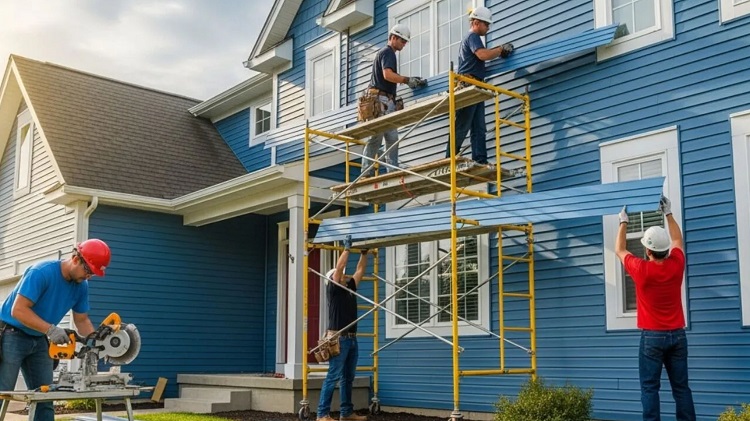
When homeowners start planning an exterior renovation, siding is often one of the biggest investments on the list. Unlike a fresh coat of paint or a simple landscaping upgrade, new siding can dramatically transform a home's appearance, improve energy efficiency, boost property value, and protect the structure from years of weather exposure.
The challenge is that siding costs can vary wildly. One homeowner may spend $8,000 on a modest vinyl siding replacement, while another invests more than $50,000 in premium fiber cement or engineered wood products for a luxury home exterior. Understanding where those costs come from is essential before requesting contractor quotes or committing to a major home improvement project.
This guide breaks down every major factor affecting siding installation cost, including materials, labor, hidden expenses, maintenance considerations, and strategies that can help homeowners maximize return on investment.
Why Siding Is One of the Most Important Exterior Investments
Siding serves a much bigger purpose than aesthetics. It acts as a protective shell against rain, wind, UV exposure, pests, and temperature fluctuations. Quality siding can help prevent moisture intrusion, reduce insulation loss, and even lower heating and cooling expenses.
In many real estate markets, updated siding ranks among the highest-return exterior remodeling projects. Potential buyers immediately notice deteriorating or outdated siding, while clean, modern materials can significantly improve curb appeal and perceived property value.
Many homeowners replace siding as part of a larger exterior renovation cost strategy that may also include:
- Roof replacement
- Gutter installation
- Exterior painting services
- Window replacement
- Energy-efficient windows
- Landscaping investment
- Waterproofing solutions
- Storm damage repair
- Exterior cleaning services
When planned together, these improvements can create a more cohesive appearance while increasing home equity.
Average Siding Installation Cost in the United States
The national average siding replacement project generally falls between:
| Project Type | Average Cost |
|---|---|
| Small Home | $7,000 – $15,000 |
| Medium Home | $12,000 – $25,000 |
| Large Home | $20,000 – $50,000+ |
| Luxury Home Exterior | $40,000 – $100,000+ |
Most homeowners spend between $8 and $25 per square foot installed, depending on material selection and labor complexity.
However, these numbers are only starting points. Two houses with identical square footage can have dramatically different installation costs.
Main Factors That Affect Siding Installation Cost
1. Siding Material Selection
Material choice is usually the biggest cost driver.
Vinyl Siding
Vinyl siding remains the most popular option in America for several reasons.
Pros:
- Affordable
- Low maintenance
- Wide range of colors
- Resistant to moisture
- No painting required
Cons:
- Can crack in extreme temperatures
- Lower-end products may fade
- Less premium appearance than some alternatives
Average Installed Cost:
$4–$12 per square foot
For budget-conscious homeowners, vinyl siding often delivers the best balance between affordability and performance.
Fiber Cement Siding
Fiber cement siding has gained enormous popularity over the last decade.
Manufacturers produce it using cement, sand, and cellulose fibers, creating a durable material that resembles real wood.
Pros:
- Exceptional durability
- Fire resistant
- Long lifespan
- Premium appearance
- Excellent weather resistance
Cons:
- Higher installation costs
- Heavy material
- Requires specialized labor
Average Installed Cost:
$8–$20 per square foot
Many property investors view fiber cement siding as one of the smartest long-term investments because of its durability and resale appeal.
Engineered Wood Siding
Engineered wood combines real wood fibers with resins and protective treatments.
Pros:
- Natural appearance
- Lower cost than traditional wood
- Improved moisture resistance
- Easier installation
Cons:
- Requires maintenance
- Vulnerable if improperly installed
Average Installed Cost:
$7–$15 per square foot
Natural Wood Siding
Wood remains a favorite among homeowners seeking timeless curb appeal.
Pros:
- Beautiful appearance
- High-end aesthetic
- Natural material
Cons:
- Regular maintenance required
- Susceptible to moisture damage
- Higher long-term costs
Average Installed Cost:
$10–$25 per square foot
Metal Siding
Steel and aluminum siding offer unique advantages.
Pros:
- Fire resistant
- Long lifespan
- Minimal maintenance
Cons:
- Denting potential
- Higher upfront investment
Average Installed Cost:
$7–$18 per square foot
Brick Veneer and Stone Veneer
Premium building materials such as stone and brick veneer provide dramatic visual impact.
Pros:
- Exceptional durability
- Luxury appearance
- Strong resale value
Cons:
- Expensive
- Labor intensive
Average Installed Cost:
$15–$45+ per square foot
Labor Costs Explained
Many homeowners focus exclusively on material pricing, but labor often represents 40% to 60% of the total project cost.
Professional installation typically includes:
- Removing old siding
- Exterior inspection
- Wall preparation
- Moisture barrier installation
- Flashing installation
- Siding attachment
- Trim work
- Cleanup and disposal
Labor rates vary significantly by region.
A roofing contractor or exterior remodeling company operating in California, New York, or Massachusetts generally charges considerably more than contractors in lower-cost markets.
Removing Existing Siding
One commonly overlooked expense is demolition.
Old siding must often be removed before new materials can be installed.
Average removal costs:
- Vinyl: $1,000–$3,000
- Wood: $2,000–$5,000
- Stucco: $3,000–$10,000+
The process may reveal hidden structural problems that require additional repairs.
Hidden Costs Homeowners Often Miss
Structural Repairs
Contractors frequently discover:
- Rotten sheathing
- Water damage
- Insect damage
- Mold growth
- Framing deterioration
These repairs can add hundreds or even thousands of dollars to the project.
Insulation Upgrades
Many homeowners choose to install insulation while the walls are exposed.
Benefits include:
- Lower utility bills
- Improved comfort
- Better energy efficiency
- Enhanced home value
Adding insulation may cost $1,500–$5,000 depending on home size.
House Wrap and Waterproofing
Modern siding systems rely on moisture barriers.
These waterproofing solutions help prevent:
- Mold growth
- Water intrusion
- Structural damage
Skipping this step can create expensive problems later.
Cost Per Square Foot Breakdown
Here's a realistic installed cost range.
| Material | Cost Per Sq. Ft. Installed |
|---|---|
| Vinyl | $4–$12 |
| Engineered Wood | $7–$15 |
| Fiber Cement | $8–$20 |
| Aluminum | $7–$16 |
| Steel | $8–$18 |
| Natural Wood | $10–$25 |
| Stone Veneer | $15–$45+ |
Remember that trim details, architectural features, and labor conditions can push costs higher.
How Home Size Impacts Pricing
A larger home naturally requires more materials and labor.
Approximate siding replacement costs:
1,000 Square Foot Home
- Vinyl: $5,000–$12,000
- Fiber Cement: $10,000–$20,000
2,000 Square Foot Home
- Vinyl: $10,000–$20,000
- Fiber Cement: $18,000–$35,000
3,000 Square Foot Home
- Vinyl: $15,000–$35,000
- Fiber Cement: $25,000–$50,000+
Complex rooflines and multiple stories increase costs further.
Regional Pricing Differences
Location matters.
Homes in coastal regions often require:
- Enhanced moisture protection
- Salt-resistant materials
- Stronger weather barriers
Areas prone to hurricanes, hail, or severe storms may require upgraded products and installation methods.
Local labor markets also influence pricing dramatically.
Does New Siding Increase Property Value?
In many cases, yes.
According to industry remodeling reports, siding replacement consistently ranks among the top projects for return on investment.
Benefits include:
- Higher property value
- Increased buyer interest
- Faster home sales
- Better curb appeal
- Reduced maintenance concerns
A home with aging, faded, or damaged siding often creates negative first impressions that affect real estate value.
Siding and Home Insurance
Many homeowners are surprised to learn that siding can influence home insurance costs.
Some insurers offer favorable rates for:
- Fire-resistant materials
- Impact-resistant products
- Storm-resistant systems
After storm damage repair, insurance may cover part or all of a siding replacement project if the damage qualifies under the policy.
Always consult your insurer before beginning repairs.
Should You Replace Siding and Roofing Together?
Often, yes.
Combining siding replacement with roof replacement can create significant efficiencies.
Benefits include:
- Reduced labor duplication
- Better moisture management
- Improved aesthetics
- Easier project scheduling
A roofing contractor working alongside an exterior remodeling team can coordinate flashing, waterproofing, and weatherproofing details more effectively.
Comparing Siding to Other Exterior Upgrades
Homeowners often wonder where siding ranks among exterior investments.
Siding vs Window Replacement
Energy-efficient windows improve comfort and reduce utility bills.
However, deteriorating siding can expose a home to moisture damage, making siding a higher priority in many situations.
Siding vs Exterior Painting Services
Painting costs less initially.
Yet painting cannot solve structural problems or replace failing materials.
New siding often provides longer-lasting value.
Siding vs Gutter Installation
Gutters are critical for water management.
If gutters fail, even expensive siding can eventually suffer damage.
Ideally, both systems should work together.
Common Mistakes That Increase Siding Costs
Choosing Based Only on Price
The cheapest material isn't always the most affordable over time.
Repeated repairs and maintenance expenses can outweigh initial savings.
Ignoring Contractor Experience
Poor installation creates problems regardless of material quality.
Improper flashing, moisture barriers, and fastening methods can lead to expensive repairs.
Failing to Get Multiple Contractor Quotes
Always obtain at least three contractor quotes.
Comparing estimates helps identify:
- Pricing inconsistencies
- Scope differences
- Warranty variations
Overlooking Maintenance Requirements
Natural wood may look beautiful, but homeowners should understand the ongoing maintenance commitment before purchasing.
Maintenance Costs After Installation
Different siding materials require different levels of upkeep.
Vinyl Siding
- Occasional washing
- Minimal maintenance
Fiber Cement
- Periodic repainting
- Long maintenance intervals
Wood Siding
- Painting or staining
- Regular inspections
- Moisture management
Metal Siding
- Occasional cleaning
- Minor repairs if dented
Planning for lifetime ownership costs provides a more accurate picture than focusing only on installation pricing.
Expert Tips for Saving Money
Schedule During Slower Seasons
Contractors often offer more competitive pricing during slower months.
Late fall and winter may present opportunities for discounts.
Bundle Exterior Projects
Combining:
- Roofing materials upgrades
- Window replacement
- Gutter installation
- Exterior painting services
can reduce mobilization and labor expenses.
Invest in Quality Materials
Cheaper products may require replacement sooner.
Higher-quality materials often provide better long-term value.
Verify Warranty Coverage
Understand both:
- Manufacturer warranties
- Contractor workmanship warranties
A strong warranty can prevent costly surprises later.
Signs It's Time to Replace Your Siding
Watch for:
- Cracks
- Warping
- Rot
- Mold growth
- Frequent repainting
- Rising energy bills
- Water stains
- Loose panels
An exterior inspection can identify issues before they become major structural problems.
Frequently Asked Questions
How much does siding installation cost for an average house?
Most U.S. homeowners spend between $12,000 and $25,000, although costs vary depending on material, location, labor rates, and home size.
Is vinyl siding cheaper than fiber cement?
Yes. Vinyl siding typically costs significantly less to install than fiber cement siding, making it one of the most budget-friendly options available.
Does new siding improve energy efficiency?
It can. When combined with insulation upgrades and proper moisture barriers, new siding often improves thermal performance and lowers utility costs.
How long does siding last?
Vinyl siding typically lasts 20–40 years. Fiber cement siding can last 50 years or longer. Metal and premium masonry products may exceed those lifespans when properly maintained.
Can siding replacement increase home value?
Yes. Siding replacement is widely recognized as one of the highest-return exterior remodeling projects because it improves curb appeal, buyer confidence, and overall property value.
Should I replace gutters when replacing siding?
Not always, but it is often worth evaluating. Damaged gutters can shorten the lifespan of new siding by allowing water intrusion.
Final Thoughts
Siding replacement is rarely a small investment, but it is one of the most impactful upgrades a homeowner can make. Beyond the immediate visual transformation, quality siding protects the home's structure, improves energy efficiency, supports higher property value, and contributes to long-term durability.
The smartest approach is to view siding as part of a complete exterior strategy. Consider how it works alongside roofing materials, gutter installation, insulation upgrades, energy-efficient windows, landscaping investment, and waterproofing solutions. When these systems function together, homeowners typically achieve better performance, lower maintenance costs, and stronger returns on their exterior renovation investment.
Before signing a contract, gather multiple contractor quotes, compare material options carefully, verify warranties, and think beyond the upfront price tag. In my experience, homeowners who focus on long-term value rather than simply chasing the lowest bid tend to be the most satisfied five, ten, and even twenty years after the project is complete.

