
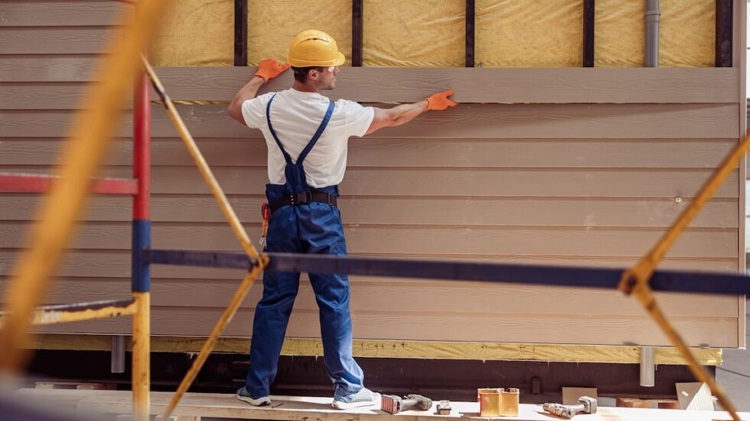
Replacing siding is one of those home improvement projects that homeowners often delay until they absolutely can't ignore it anymore. Maybe the paint keeps peeling no matter how many times it's touched up. Maybe moisture is sneaking behind cracked panels. Or perhaps the home's exterior simply looks dated compared to neighboring properties.
Whatever the reason, siding replacement remains one of the most impactful exterior remodeling investments in 2026. It protects the structure, improves energy efficiency, boosts curb appeal, and can significantly increase property value when done correctly.
The challenge is figuring out what the project will actually cost.
If you've searched online, you've probably seen estimates ranging from $8,000 to over $80,000. Both numbers can be accurate depending on the home's size, location, materials, labor rates, and installation complexity.
This guide breaks down real-world siding replacement costs in 2026, explains what affects pricing, compares popular siding materials, and shares practical insights homeowners should know before requesting contractor quotes.
Average Siding Replacement Cost in 2026
For most U.S. homeowners, siding replacement costs in 2026 typically fall between:
$12,000 and $35,000
The national average for a standard 2,000-square-foot home is approximately:
$18,000–$24,000
However, luxury properties, custom homes, and premium building materials can push costs well beyond $50,000.
Here's a general overview:
| Siding Material | Average Installed Cost |
|---|---|
| Vinyl Siding | $12,000–$22,000 |
| Fiber Cement Siding | $18,000–$35,000 |
| Engineered Wood | $15,000–$30,000 |
| Traditional Wood | $20,000–$45,000 |
| Metal Siding | $18,000–$40,000 |
| Brick Veneer | $30,000–$80,000+ |
| Stone Veneer | $35,000–$100,000+ |
Many homeowners are surprised to learn that labor often represents 35% to 50% of the total project cost.
Cost Per Square Foot
Contractors commonly estimate siding replacement using square footage.
In 2026, average installed costs per square foot are approximately:
Vinyl Siding
$6–$12 per square foot
Vinyl remains the most affordable option for residential construction projects. Modern products look significantly better than the low-cost vinyl products installed decades ago.
Fiber Cement Siding
$10–$18 per square foot
Fiber cement siding continues to gain popularity due to its durability, fire resistance, and upscale appearance.
Engineered Wood
$8–$15 per square foot
Engineered wood offers the appearance of natural wood while requiring less maintenance.
Cedar and Natural Wood
$12–$25 per square foot
Wood siding delivers timeless beauty but comes with higher maintenance requirements and long-term upkeep costs.
Metal Siding
$10–$20 per square foot
Aluminum and steel siding offer excellent longevity and resistance to weather-related damage.
What Factors Affect Siding Replacement Cost?
No two homes are exactly alike, which explains why estimates vary dramatically.
Several major factors influence pricing.
Home Size
This is the biggest factor.
A 1,200-square-foot ranch home obviously requires less material and labor than a 4,000-square-foot luxury home exterior.
Larger homes also tend to have more windows, corners, trim work, and architectural details that increase installation time.
Existing Siding Removal
Removing old siding adds cost.
Typical tear-off costs range from:
$1,000–$5,000
Depending on the material and disposal requirements.
Older homes sometimes reveal hidden issues during removal, including:
- Water damage
- Mold growth
- Insect damage
- Rotting sheathing
- Structural deterioration
These repairs can quickly add several thousand dollars to the project.
Material Choice
Material selection often creates the largest pricing gap.
A homeowner choosing basic vinyl siding may spend under $15,000, while another selecting premium fiber cement siding with custom trim may exceed $35,000.
Labor Costs
Labor rates vary considerably across the country.
Homeowners in areas with high construction demand often pay significantly more than those in lower-cost regions.
States experiencing rapid residential construction growth frequently see higher contractor pricing due to labor shortages.
Architectural Complexity
Simple homes cost less.
Complex homes cost more.
Features that increase installation expenses include:
- Multiple stories
- Dormers
- Bay windows
- Decorative trim
- Custom architectural details
- Steep rooflines
- Difficult access areas
The more cutting, fitting, and detail work required, the higher the labor costs.
Vinyl Siding Cost in 2026
Vinyl siding remains America's most popular siding material.
For a typical home, homeowners can expect:
$12,000–$22,000 installed
Pros
- Lowest upfront cost
- Wide range of colors
- Minimal maintenance
- Resistant to insects
- Doesn't require painting
Cons
- Can crack in extreme temperatures
- Lower perceived value than premium materials
- May fade over time
Vinyl often delivers one of the strongest returns on investment among exterior renovation projects because of its affordability and broad buyer appeal.
Fiber Cement Siding Cost in 2026
Fiber cement siding has become a favorite among homeowners seeking durability and premium aesthetics.
Average cost:
$18,000–$35,000 installed
Brands such as James Hardie have significantly influenced the popularity of this category.
Pros
- Exceptional durability
- Fire resistant
- Pest resistant
- Long lifespan
- Premium appearance
Cons
- Higher labor costs
- Heavier material
- More expensive than vinyl
In many real estate markets, fiber cement siding can positively influence property value and resale potential.
Is Siding Replacement Worth the Investment?
In many cases, yes.
According to real estate professionals and exterior remodeling experts, siding replacement can recover a substantial percentage of project costs during resale.
Benefits often include:
- Increased curb appeal
- Better energy efficiency
- Reduced maintenance
- Improved home insurance positioning
- Higher buyer interest
- Enhanced weather protection
For homeowners planning to sell within the next few years, new siding can help a property stand out in competitive markets.
Hidden Costs Homeowners Often Overlook
Many online estimates focus only on siding materials.
In reality, several additional expenses frequently appear.
House Wrap and Moisture Barriers
Modern waterproofing solutions often require new weather-resistant barriers beneath the siding.
This layer helps prevent moisture intrusion and improves overall building performance.
Insulation Upgrades
Many homeowners choose insulation upgrades during siding replacement because walls are already exposed.
Additional insulation can improve energy efficiency and lower utility bills.
Trim Replacement
Damaged trim boards, fascia, soffits, and exterior decorative elements often require replacement during installation
Window Replacement
Some homeowners combine siding replacement with window replacement projects.
Installing energy-efficient windows simultaneously can reduce labor duplication and improve overall project efficiency.
Gutter Installation
Aging gutters frequently become obvious once siding work begins.
Combining siding replacement and gutter installation often creates cost savings compared to scheduling separate projects.
Siding Replacement vs. Exterior Painting
Many homeowners debate whether they should simply repaint the house instead of replacing siding.
Exterior painting services typically cost:
$4,000–$12,000
Depending on home size and preparation requirements.
Painting may be appropriate when:
- Siding remains structurally sound
- Damage is minimal
- Moisture issues are absent
- Appearance is the primary concern
However, painting won't solve:
- Rot
- Warping
- Cracking
- Water infiltration
- Mold behind siding
When structural issues exist, siding replacement is usually the smarter long-term investment.
Can New Siding Lower Energy Bills?
Potentially, yes.
Modern siding systems often improve thermal performance, particularly when paired with:
- Insulation upgrades
- House wrap systems
- Energy-efficient windows
- Proper air sealing
While siding alone won't dramatically reduce utility costs, a complete exterior envelope upgrade can produce noticeable savings over time.
Insurance and Storm Damage Considerations
Homeowners frequently discover siding damage after:
- Hailstorms
- Windstorms
- Hurricanes
- Flying debris incidents
In some situations, home insurance policies may cover partial or full replacement costs.
Before paying out of pocket, homeowners should schedule an exterior inspection and document all storm-related damage.
A reputable roofing contractor or exterior specialist can often assist with insurance documentation.
How to Compare Contractor Quotes
Getting multiple contractor quotes remains one of the smartest ways to avoid overpaying.
Aim for at least three detailed estimates.
Each proposal should clearly identify:
- Material type
- Brand specifications
- Labor costs
- Removal costs
- Disposal fees
- Warranty coverage
- Timeline
- Payment schedule
Be cautious of bids that are dramatically lower than competitors.
Unusually cheap pricing sometimes signals:
- Inferior materials
- Inexperienced labor
- Missing project components
- Lack of insurance coverage
Common Siding Replacement Mistakes
Even experienced homeowners occasionally make costly decisions.
Choosing Based Only on Price
The cheapest option isn't always the best value.
Long-term durability often matters more than initial savings.
Ignoring Moisture Problems
Installing new siding over hidden water damage creates future headaches.
Always address underlying issues first.
Skipping Contractor Verification
Verify licenses, insurance, references, and project history.
A beautiful product can still fail if installed improperly.
Focusing Only on Appearance
A siding system should do more than look attractive.
Performance, durability, insulation, and maintenance requirements deserve equal consideration.
Which Siding Material Adds the Most Value?
The answer depends on local market expectations.
In many regions:
- Fiber Cement Siding
- Engineered Wood Siding
- Premium Vinyl Siding
- Cedar Siding
Luxury neighborhoods often reward premium materials more heavily, while mid-market neighborhoods may see excellent returns from high-quality vinyl.
Local real estate value trends should influence material selection.
Combining Siding With Other Exterior Projects
Many homeowners bundle multiple exterior upgrades together.
Popular combinations include:
Roof Replacement
Coordinating siding replacement with roof replacement cost planning often reduces overall project disruption.
New roofing materials and siding create a cohesive appearance while improving protection.
Energy-Efficient Windows
Replacing outdated windows during exterior remodeling can significantly improve comfort and energy performance.
Landscaping Investment
Fresh siding paired with strategic landscaping investment often creates dramatic curb appeal improvements.
Exterior Cleaning Services
Professional cleaning before and after installation helps preserve the appearance of surrounding surfaces.
Maintenance Expectations by Material
Understanding future maintenance requirements is essential.
Vinyl
Lowest maintenance.
Occasional washing is usually sufficient.
Fiber Cement
Requires periodic painting and inspections but offers exceptional longevity.
Wood
Highest maintenance.
Regular sealing, painting, and inspections are necessary.
Metal
Generally low maintenance but may require occasional repainting depending on product type.
Frequently Asked Questions
How long does siding replacement take?
Most residential projects take between one and three weeks depending on home size, weather conditions, and complexity.
Does new siding increase home value?
In many markets, yes. New siding improves curb appeal, buyer confidence, and perceived property condition.
Can siding be installed over existing siding?
Sometimes. However, complete removal is usually recommended to identify hidden damage and ensure proper installation.
What is the most durable siding material?
Fiber cement, engineered wood, metal, and certain premium composite products typically offer outstanding durability.
Should I replace gutters when replacing siding?
Not always, but many homeowners choose gutter installation at the same time because labor efficiencies can reduce overall costs.
Will new siding reduce insurance premiums?
Some insurers offer discounts for upgraded exterior systems, especially when they improve weather resistance. Check with your provider for details.
Final Thoughts
Siding replacement costs in 2026 generally range from $12,000 to $35,000 for most American homeowners, though luxury properties and premium materials can push costs considerably higher. The best choice isn't necessarily the cheapest siding available. It's the option that balances durability, appearance, maintenance requirements, energy performance, and long-term property value.
From a practical standpoint, homeowners who view siding replacement as part of a larger home improvement strategy often see the greatest benefits. Pairing new siding with insulation upgrades, energy-efficient windows, gutter installation, roofing improvements, and proper waterproofing solutions can transform not only a home's appearance but also its comfort, efficiency, and resale potential.
Before signing a contract, invest time in obtaining detailed contractor quotes, comparing materials carefully, and understanding the true lifetime cost of ownership. A thoughtfully planned exterior remodeling project can protect your home for decades while enhancing curb appeal, strengthening real estate value, and providing peace of mind through every season.

