
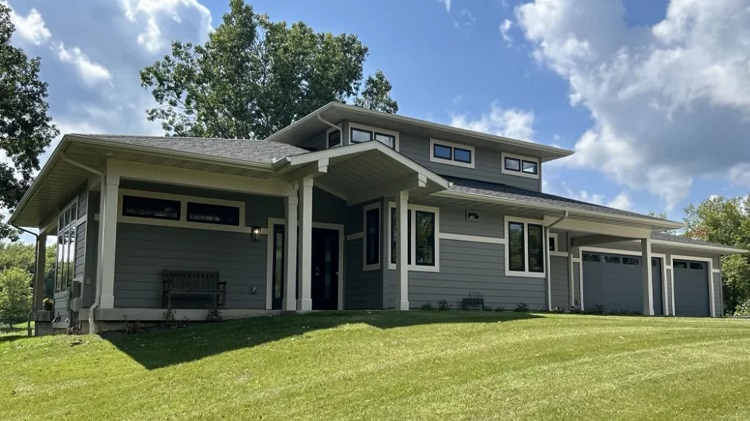
When people talk about protecting a home, the conversation usually starts with the roof. That makes sense. A strong roof takes the first hit from rain, hail, snow, and blazing sun. But there's another part of the home that quietly absorbs punishment every single day: the siding.
Exterior siding is more than a cosmetic finish. It acts as a shield against moisture, wind, temperature swings, flying debris, and long-term structural damage. In regions where hurricanes, blizzards, wildfires, heavy rainfall, or extreme heat are common, the siding choice can significantly impact maintenance costs, energy efficiency, property value, and even home insurance premiums.
Many homeowners focus on curb appeal when comparing siding materials. While appearance certainly matters, extreme weather demands a different approach. Durability, impact resistance, moisture management, insulation performance, and long-term maintenance become far more important than color or style alone.
The good news is that modern residential construction offers several excellent siding options designed specifically to withstand harsh environments. The challenge is determining which material performs best in your climate and budget.
This guide explores the best exterior siding options for extreme weather, including real-world advantages, disadvantages, installation considerations, maintenance requirements, and cost factors that homeowners should understand before investing in a siding replacement project.
Why Siding Matters More in Extreme Weather
Most siding materials perform reasonably well under normal conditions. Problems begin when homes are exposed to repeated weather extremes.
Consider a property located along the Gulf Coast. It may face hurricane-force winds, heavy rain, salt air, intense UV exposure, and high humidity throughout the year. Meanwhile, a home in Minnesota could experience deep snow, ice dams, freezing temperatures, and freeze-thaw cycles that stress exterior materials.
The wrong siding material can lead to:
- Water intrusion
- Mold growth
- Higher heating and cooling costs
- Structural deterioration
- Frequent repairs
- Reduced home equity
- Lower real estate value
The right siding, on the other hand, acts as part of a complete exterior remodeling strategy that supports insulation upgrades, waterproofing solutions, energy-efficient windows, and long-term property protection.
What Makes a Siding Material Good for Extreme Weather?
Before comparing products, it's important to understand the characteristics that matter most.
Moisture Resistance
Water is often the most destructive force affecting a home's exterior. Moisture that penetrates siding can damage framing, insulation, drywall, and foundations.
Wind Resistance
In hurricane-prone regions, siding must remain securely attached even under sustained high winds and flying debris.
Impact Resistance
Hailstorms can destroy weaker materials. Impact-resistant siding helps reduce storm damage repair costs.
Thermal Performance
Extreme heat and cold place enormous stress on building materials. Siding should resist expansion, contraction, warping, and cracking.
Fire Resistance
Wildfire-prone regions require materials that provide additional protection against airborne embers and direct flame exposure.
Low Maintenance Requirements
The best siding often balances durability with manageable maintenance needs over decades.
Fiber Cement Siding: The Overall Best Choice
For many contractors and exterior renovation specialists, fiber cement siding remains one of the most versatile solutions available.
Popular products often combine cement, sand, and cellulose fibers into a highly durable exterior cladding system.
Why Homeowners Choose Fiber Cement
Fiber cement performs exceptionally well against:
- Heavy rain
- High winds
- Hail
- Humidity
- UV exposure
- Insects
- Rot
Unlike traditional wood siding, it doesn't become a food source for termites or carpenter ants.
Its dimensional stability is particularly impressive. In climates where temperatures fluctuate dramatically, fiber cement experiences minimal expansion and contraction compared to vinyl.
Advantages
Excellent Weather Resistance
Fiber cement is specifically engineered for harsh environments.
Fire Resistant
This material is non-combustible, making it attractive in wildfire-prone areas.
Long Lifespan
Properly installed systems often last 30 to 50 years or longer.
High-End Appearance
Many luxury home exterior projects use fiber cement because it closely resembles painted wood.
Strong Return on Investment
A quality siding replacement often contributes positively to property value and curb appeal.
Drawbacks
- Higher installation costs
- Requires professional installation
- Heavier than vinyl
- Periodic repainting may be necessary
Cost Range
Homeowners typically spend between $8 and $18 per square foot installed, depending on region, labor rates, and design complexity.
Engineered Wood Siding: Natural Beauty with Better Durability
Traditional wood siding looks beautiful but often struggles in severe weather environments.
Engineered wood addresses many of those weaknesses.
Manufacturers create engineered wood using wood strands, resins, and protective coatings designed to improve durability.
Advantages
Attractive Appearance
Many homeowners prefer its authentic wood look.
Improved Impact Resistance
Engineered products often outperform traditional wood during hail events.
Easier Installation
Lighter weight means lower labor costs.
Better Moisture Resistance
Modern treatments significantly improve weather performance.
Drawbacks
Maintenance Still Matters
Protective coatings must remain intact.
Vulnerability to Poor Installation
Water intrusion can still cause issues if flashing and moisture barriers are improperly installed.
Best Climate Applications
- Moderate to severe weather
- Cold climates
- Regions with seasonal storms
Vinyl Siding: Budget-Friendly and Widely Used
Vinyl siding remains one of America's most popular exterior materials.
There's a reason millions of homeowners choose it.
Modern vinyl products have improved dramatically compared to earlier generations.
Advantages
Affordable Installation
Vinyl often represents the most economical siding replacement option.
Minimal Maintenance
No painting is required.
Moisture Resistant
Vinyl itself doesn't absorb water.
Variety of Styles
Manufacturers offer numerous textures and colors.
Good Compatibility
Works well alongside gutter installation projects, energy-efficient windows, and exterior painting services for trim and accents.
Drawbacks
Extreme Heat Concerns
High temperatures can cause warping.
Impact Vulnerability
Large hail can crack lower-quality panels.
Wind Damage Risk
Poor installation may result in panels detaching during storms.
Cost Range
Generally between $4 and $12 per square foot installed.
Best Climate Applications
- Moderate weather regions
- Budget-conscious renovations
- Areas without extreme wildfire risk
Steel Siding: Built for Severe Conditions
Steel siding rarely receives as much attention as fiber cement or vinyl, but it deserves serious consideration.
In some of the harshest climates, steel performs exceptionally well.
Advantages
Outstanding Wind Resistance
Properly installed steel can withstand severe storms.
Fire Resistance
Steel is non-combustible.
Pest Resistance
Insects and rodents cannot damage the material.
Long Service Life
Quality steel systems often last several decades.
Drawbacks
Potential Denting
Large hail can leave visible dents.
Higher Upfront Costs
Material and labor expenses are typically greater than vinyl.
Specialized Installation
Experienced contractors are essential.
Best Climate Applications
- Hurricane-prone regions
- Wildfire zones
- Heavy snowfall areas
Aluminum Siding: An Underrated Option
Aluminum siding once dominated portions of the housing market and still offers several benefits.
Advantages
- Rust-resistant coatings
- Fire resistance
- Lightweight installation
- Excellent moisture performance
Drawbacks
- Denting concerns
- Fading over time
- Less premium appearance compared to newer materials
While not as common in modern exterior remodeling projects, aluminum can still be an effective solution in coastal environments.
Brick Veneer: Exceptional Weather Protection
Brick remains one of the most durable exterior systems ever used in residential construction.
While full masonry construction can be expensive, brick veneer provides similar visual benefits at a lower cost.
Advantages
Extreme Longevity
Properly maintained brick can last over 100 years.
Fire Resistance
Excellent performance in wildfire-prone regions.
Low Maintenance
Minimal upkeep compared to wood-based materials.
Strong Property Value Benefits
Many buyers associate brick homes with durability and quality.
Drawbacks
Higher Installation Costs
Brick is labor-intensive.
Structural Requirements
Not every home is designed to support masonry systems.
Best Climate Applications
- Severe storms
- Hot climates
- Cold climates
- Mixed-weather environments
Stone Veneer: Premium Protection and Luxury Appeal
Stone veneer combines durability with upscale aesthetics.
Many homeowners pursuing luxury home exterior renovations choose manufactured or natural stone accents alongside fiber cement or engineered wood siding.
Advantages
- Outstanding weather resistance
- Premium appearance
- Increased curb appeal
- Excellent long-term durability
Drawbacks
- Expensive installation
- Requires experienced masons
- Higher exterior renovation cost
The Best Siding for Hurricane-Prone Areas
If your property faces tropical storms and hurricanes, prioritize:
- Fiber cement siding
- Steel siding
- Brick veneer
Look for products tested against high-wind conditions and verify local code requirements.
Many roofing contractor professionals recommend coordinating siding upgrades with roof replacement projects to create a complete storm-resistant building envelope.
The Best Siding for Wildfire Regions
Fire resistance becomes the primary concern.
Top choices include:
- Fiber cement siding
- Brick veneer
- Stone veneer
- Steel siding
Avoid highly combustible materials where wildfire exposure is significant.
The Best Siding for Heavy Snow and Ice
Freeze-thaw cycles can destroy weaker products.
Recommended options include:
- Fiber cement
- Engineered wood
- Brick
- Steel
Moisture management systems become especially important in northern climates.
The Best Siding for Coastal Homes
Salt air creates unique challenges.
Materials that perform well include:
- Fiber cement
- Aluminum
- Brick veneer
- Engineered wood with proper coatings
Regular exterior inspection and exterior cleaning services help maximize lifespan near the ocean.
Energy Efficiency and Siding Performance
Many homeowners focus exclusively on appearance and durability while overlooking energy efficiency.
That's a mistake.
Siding works together with:
- Insulation upgrades
- Window replacement
- Energy-efficient windows
- Roofing materials
- Air sealing systems
Insulated siding systems can help reduce heating and cooling costs, particularly in regions with temperature extremes.
Although siding alone won't transform utility bills, it contributes to overall thermal performance.
Common Mistakes Homeowners Make
After years of observing exterior renovation projects, certain mistakes appear repeatedly.
Choosing Based Only on Price
The cheapest option often becomes the most expensive over time.
Repairs, maintenance, and premature replacement can quickly erase initial savings.
Ignoring Local Climate
A siding material that performs perfectly in Arizona may struggle in Florida.
Climate-specific performance matters.
Hiring Inexperienced Contractors
Even the best materials fail when installed incorrectly.
Always compare contractor quotes, verify licenses, check insurance coverage, and review project references.
Overlooking Moisture Management
Weather-resistant barriers, flashing details, and waterproofing solutions are every bit as important as the siding itself.
How Siding Affects Home Insurance
Insurance companies evaluate risk.
Homes with fire-resistant and storm-resistant exterior systems may qualify for discounts in certain regions.
Although savings vary significantly by insurer and location, durable exterior materials can contribute positively during underwriting assessments.
Consult your insurance provider before beginning major home improvement projects.
Siding and Property Value
A well-executed siding replacement often provides one of the strongest visual transformations available.
Potential buyers notice exterior condition immediately.
New siding can:
- Increase curb appeal
- Improve real estate value
- Reduce perceived maintenance concerns
- Enhance marketability
- Support higher resale pricing
For investors preparing properties for sale, siding upgrades frequently deliver both practical and aesthetic returns.
Maintenance Tips for Long-Term Performance
Regardless of material choice, routine maintenance matters.
Inspect Annually
Look for:
- Cracks
- Loose panels
- Damaged caulking
- Moisture intrusion
Clean Exterior Surfaces
Periodic cleaning removes dirt, algae, mildew, and pollutants.
Check Gutters
Proper gutter installation protects siding from excessive water exposure.
Address Damage Quickly
Small issues often become expensive repairs when ignored.
Schedule Professional Inspections
Professional exterior inspections can identify hidden problems before they escalate.
Frequently Asked Questions
What is the most durable siding for extreme weather?
Fiber cement is often considered the most balanced choice due to its resistance to moisture, wind, fire, pests, and temperature fluctuations. Brick and steel also perform exceptionally well in harsh environments.
Which siding lasts the longest?
Brick veneer and stone veneer can last over 100 years when properly maintained. Fiber cement frequently lasts 30 to 50 years or more.
Is vinyl siding good for hurricane areas?
High-quality vinyl can perform adequately when installed correctly, but fiber cement and steel generally provide better wind resistance.
What siding adds the most home value?
Fiber cement, brick veneer, and premium stone veneer often generate strong returns due to their durability and visual appeal.
Does siding improve energy efficiency?
Yes. Combined with insulation upgrades, energy-efficient windows, and proper air sealing, siding contributes to improved thermal performance.
How often should siding be replaced?
The answer depends on material quality, installation standards, maintenance, and climate conditions. Some systems require replacement after 20 years, while others remain functional for 50 years or longer.
Final Thoughts
Extreme weather has a way of exposing weaknesses in a home's exterior. Materials that look attractive on day one can become expensive liabilities after years of wind, rain, hail, snow, humidity, and intense sunlight. That's why choosing siding should never be treated as a purely cosmetic decision.
For most homeowners seeking the best combination of durability, weather resistance, property value, and long-term performance, fiber cement siding remains the strongest all-around contender. It consistently performs well across multiple climate zones and complements other high-value upgrades such as roof replacement projects, energy-efficient windows, waterproofing systems, and modern exterior remodeling improvements.
That said, the ideal choice always depends on local conditions. Coastal properties face different challenges than mountain homes. Wildfire zones demand different priorities than hurricane-prone communities. The smartest approach is to evaluate climate risks, compare contractor quotes carefully, understand lifetime ownership costs, and view siding as part of a complete exterior protection strategy rather than a standalone upgrade.
When selected and installed correctly, quality siding doesn't just improve appearance. It protects home equity, supports long-term property value, reduces maintenance headaches, and helps ensure your investment can withstand whatever nature decides to throw at it.

