
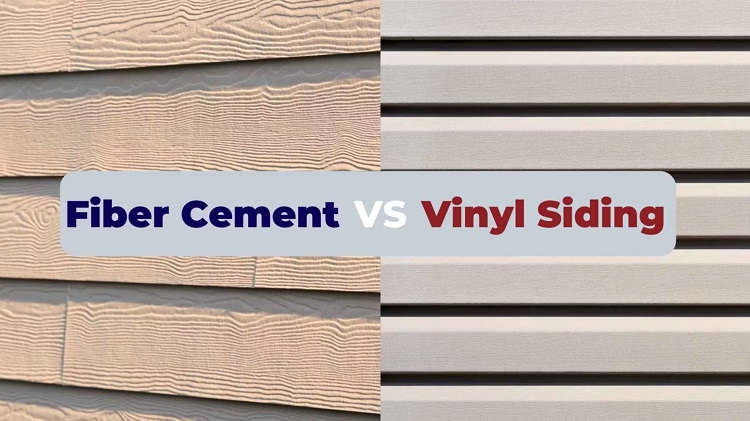
When homeowners start planning an exterior remodeling project, one question comes up again and again: should you choose vinyl siding or fiber cement siding? Both materials dominate the residential construction market, both can dramatically improve curb appeal, and both are frequently recommended by contractors. Yet when the goal is maximizing property value, the answer is not always as straightforward as many homeowners expect.
I've seen homeowners spend thousands on siding replacement believing the most expensive option automatically creates the highest return. In reality, the relationship between exterior renovation cost and real estate value is more nuanced. Factors such as neighborhood standards, climate conditions, maintenance requirements, buyer expectations, and overall home design often play just as important a role as the siding material itself.
If you're weighing vinyl siding against fiber cement for your next home improvement project, this guide breaks down everything that matters—from installation costs and maintenance to resale value and long-term performance—so you can make a decision that benefits both your home and your wallet.
Understanding Why Siding Matters for Home Value
Before comparing materials, it's important to understand why siding influences property value in the first place.
The exterior of a home creates the first impression buyers experience. Long before they notice upgraded kitchens, energy-efficient windows, or custom flooring, they see the outside of the house.
Well-maintained siding contributes to:
- Stronger curb appeal
- Better weather protection
- Improved insulation performance
- Reduced maintenance concerns
- Higher buyer confidence
- Enhanced home insurance appeal
- Increased home equity
Many real estate professionals consider siding replacement one of the most visible exterior upgrades available. Alongside roof replacement, gutter installation, landscaping investment, and exterior painting services, new siding often delivers a noticeable impact on perceived value.
When buyers see deteriorating siding, they immediately start calculating future repair costs. New siding removes that concern and makes the property more attractive from the start.
What Is Vinyl Siding?
Vinyl siding is manufactured primarily from PVC (polyvinyl chloride). It became popular because it offers an affordable, low-maintenance alternative to wood.
Today, modern vinyl products look significantly better than earlier generations. Manufacturers now offer:
- Textured finishes
- Wood-grain patterns
- Multiple color options
- Insulated vinyl systems
- Wider plank styles
- Architectural profiles
For many homeowners, vinyl siding strikes a balance between affordability and appearance.
Advantages of Vinyl Siding
Lower Initial Cost
One of vinyl's biggest strengths is affordability.
Compared to many premium building materials, vinyl generally offers one of the lowest installation costs among major siding options.
For homeowners managing a strict exterior renovation budget, this can be extremely attractive.
Minimal Maintenance
Unlike wood siding, vinyl never requires routine painting.
Most homeowners simply wash it periodically using a garden hose or exterior cleaning services.
Moisture Resistance
Vinyl handles rain well when properly installed.
Combined with quality waterproofing solutions and proper flashing, it can provide decades of reliable protection.
Fast Installation
Most siding contractors can complete vinyl projects relatively quickly.
Lower labor costs often translate into lower contractor quotes.
Drawbacks of Vinyl Siding
Potential for Cracking
Extreme temperature swings can make some vinyl products brittle over time.
Hail, flying debris, or storm damage may lead to cracks that require replacement panels.
Lower Premium Perception
Although modern products have improved significantly, some buyers still associate vinyl with entry-level construction.
In luxury home exterior markets, this perception can affect resale appeal.
Fading Over Time
Lower-quality vinyl products may fade after years of UV exposure.
While premium versions resist discoloration better, fading remains a consideration.
What Is Fiber Cement Siding?
Fiber cement siding combines cement, sand, and cellulose fibers into durable siding boards designed to mimic wood, stone, or masonry.
One of the most recognized products in this category comes from James Hardie, though multiple manufacturers now compete in the market.
Fiber cement has gained popularity because it delivers a premium appearance while offering exceptional durability.
Advantages of Fiber Cement Siding
Outstanding Durability
Fiber cement withstands:
- Strong winds
- Heavy rain
- UV exposure
- Pest damage
- Rot
- Fire
This durability often appeals to buyers seeking long-term ownership.
High-End Appearance
Many fiber cement products closely resemble painted wood.
The deeper texture and realistic finish often create a more upscale look than standard vinyl.
Strong Resale Appeal
Real estate professionals frequently note that fiber cement siding helps position a home in a more premium category.
This can be particularly beneficial in competitive housing markets.
Excellent Fire Resistance
Because it contains cement, fiber cement is non-combustible.
This feature can sometimes contribute positively when discussing home insurance considerations.
Drawbacks of Fiber Cement Siding
Higher Installation Cost
Fiber cement is significantly heavier than vinyl.
Installation requires specialized equipment, experienced crews, and more labor hours.
Periodic Painting Requirements
Unlike vinyl, painted fiber cement may eventually need repainting.
Although repainting intervals are often long, maintenance costs should still be considered.
More Complex Repairs
Replacing damaged sections can be more involved than swapping out vinyl panels.
Vinyl Siding vs Fiber Cement Cost Comparison
For most homeowners, cost becomes a deciding factor.
While pricing varies by region, contractor availability, and home design complexity, fiber cement generally costs substantially more.
Typical factors affecting project pricing include:
- Home size
- Labor rates
- Material quality
- Insulation upgrades
- Existing siding removal
- Exterior inspection findings
- Waterproofing requirements
A homeowner replacing siding on a typical American home may spend thousands less choosing vinyl over fiber cement.
However, focusing only on installation cost can be misleading.
The better question is whether the additional investment generates enough added value to justify the higher price.
Which Siding Delivers Better Return on Investment?
This is where the conversation becomes interesting.
Industry remodeling studies consistently show that both vinyl siding replacement and fiber cement siding replacement recover a significant portion of their installation costs during resale.
However, fiber cement frequently earns slightly higher value perception among buyers.
That doesn't automatically mean fiber cement always delivers a better financial outcome.
Let's look at a practical example.
Imagine two similar homes:
Home A installs premium vinyl siding.
Home B installs fiber cement siding.
If Home B spends significantly more but only achieves a modest increase in resale price, the actual return may not dramatically outperform Home A.
In many middle-income neighborhoods, buyers simply want attractive, low-maintenance siding.
They may appreciate fiber cement, but not enough to pay dramatically more.
In upscale markets, however, buyer expectations often favor premium materials.
That's where fiber cement can provide a stronger competitive advantage.
Which Material Buyers Prefer
Buyer preferences vary by market
Buyers Often Prefer Vinyl When:
- Affordability matters
- The neighborhood contains mostly vinyl-sided homes
- Maintenance concerns dominate decision-making
- First-time buyers are shopping
Buyers Often Prefer Fiber Cement When:
- Shopping in luxury neighborhoods
- Seeking premium finishes
- Prioritizing durability
- Comparing higher-end properties
The surrounding neighborhood matters more than many homeowners realize.
Installing luxury materials in an area where buyers do not expect them may not generate proportional value.
Curb Appeal Comparison
Curb appeal plays a major role in perceived value.
Standing at the curb, fiber cement generally provides a more substantial appearance.
The deeper shadows, thicker profiles, and realistic textures often create a custom-built feel.
Vinyl has improved dramatically, particularly premium insulated products.
Many modern installations look excellent from the street.
Still, if two homes are side by side and both are professionally installed, fiber cement frequently wins the visual comparison.
That visual advantage can influence buyer psychology before a showing even begins.
Durability and Weather Performance
Climate should heavily influence your decision.
Fiber Cement Excels In
- Hurricane-prone regions
- High UV environments
- Areas with wildfire concerns
- Humid climates
- Pest-heavy regions
Vinyl Excels In
- Moderate climates
- Budget-conscious projects
- Areas with limited maintenance resources
For homeowners dealing with storm damage repair concerns, fiber cement often provides greater peace of mind.
Maintenance Requirements
Maintenance affects long-term ownership costs.
Vinyl Maintenance
Most maintenance involves:
- Occasional washing
- Mold removal when necessary
- Replacing damaged panels
Overall, maintenance demands are relatively low.
Fiber Cement Maintenance
Maintenance may include:
- Repainting every decade or longer
- Caulking inspections
- Surface cleaning
- Periodic exterior inspections
Although fiber cement requires more attention, many homeowners consider the trade-off worthwhile.
Energy Efficiency Considerations
Neither vinyl nor fiber cement provides dramatic insulation by itself.
The real performance gains come from:
- Insulation upgrades
- House wrap systems
- Air sealing
- Energy-efficient windows
- Professional installation
Insulated vinyl products can provide a slight advantage in thermal performance.
However, homeowners seeking meaningful energy savings should focus on the entire building envelope rather than siding alone.
Window replacement, attic insulation, roofing materials, and air sealing often produce larger efficiency gains.
Impact on Home Insurance
Insurance companies primarily care about risk.
Fiber cement's fire resistance and durability may be viewed favorably in some situations.
Vinyl generally performs well too, but local regulations, weather risks, and insurer policies vary.
Homeowners considering major exterior upgrades should discuss potential impacts with their insurance provider before beginning work.
Common Mistakes Homeowners Make
Choosing Based Only on Price
The cheapest option is not always the best value.
Consider longevity, appearance, maintenance, and resale expectations.
Ignoring Neighborhood Standards
A luxury upgrade may not deliver meaningful returns in every market.
Research comparable homes before investing.
Hiring the Cheapest Contractor
Poor installation can ruin even the best materials.
Always obtain multiple contractor quotes and verify credentials.
A skilled roofing contractor, siding contractor, or exterior remodeling specialist often delivers better long-term results than the lowest bidder.
Overlooking Other Exterior Improvements
New siding helps, but buyers evaluate the entire exterior.
Projects that complement siding upgrades include:
- Roof replacement
- Gutter installation
- Exterior painting services
- Landscaping investment
- Exterior cleaning services
- Window replacement
- Waterproofing solutions
A coordinated exterior renovation strategy often generates stronger value than focusing on a single component.
Best Choice for Different Homeowners
Choose Vinyl Siding If:
You want:
- Lower upfront costs
- Minimal maintenance
- Good resale potential
- Fast installation
- Strong overall value
For many middle-market homes, premium vinyl represents an excellent balance of performance and affordability.
Choose Fiber Cement If:
You want:
- Maximum durability
- Premium appearance
- Strong buyer appeal
- Long-term ownership benefits
- Higher-end market positioning
For luxury properties or competitive real estate markets, fiber cement often becomes the stronger investment.
Expert Recommendation
After years of observing home improvement projects, one pattern stands out.
The "best" siding rarely depends on the material alone.
It depends on matching the product to the home, neighborhood, and long-term goals.
If your priority is maximizing return on investment while controlling costs, premium vinyl siding often provides exceptional value.
If your goal is creating a high-end exterior, attracting premium buyers, and investing for decades of ownership, fiber cement usually has the edge.
The homeowners who achieve the strongest results are typically those who view siding as part of a larger property-value strategy that includes roofing upgrades, quality landscaping, modern windows, proper drainage, and regular maintenance.
Frequently Asked Questions
Does fiber cement add more value than vinyl siding?
In many markets, yes. Fiber cement often creates a more premium appearance and can improve buyer perception. However, the additional value varies significantly by location and neighborhood.
Is vinyl siding cheaper to maintain?
Yes. Vinyl generally requires less maintenance because it does not need routine painting and can usually be cleaned with basic washing.
Which siding lasts longer?
Fiber cement often has a longer lifespan when properly maintained. However, premium vinyl products can also perform well for several decades.
Does siding replacement increase home equity?
In most cases, yes. New siding improves curb appeal, reduces deferred maintenance concerns, and can contribute to higher property value.
What exterior upgrades work best alongside new siding?
The most valuable complementary improvements typically include roof replacement, gutter installation, energy-efficient windows, landscaping upgrades, exterior painting services, and waterproofing solutions.
Final Verdict: Which Adds More Home Value?
If the question is strictly, "Which material adds more home value?" the answer is usually fiber cement siding.
Its premium appearance, durability, fire resistance, and strong buyer appeal often create greater perceived value during resale.
But if the question becomes, "Which provides the best balance between investment and return?" premium vinyl siding deserves serious consideration.
For many American homeowners, vinyl delivers impressive curb appeal, low maintenance requirements, and strong resale performance at a substantially lower cost. Fiber cement may win the prestige battle, but vinyl often wins the value battle.
The smartest choice ultimately depends on your local market, renovation budget, long-term ownership plans, and buyer expectations. Understanding those factors before requesting contractor quotes will help ensure your siding investment strengthens both your home's appearance and its future resale potential.

