
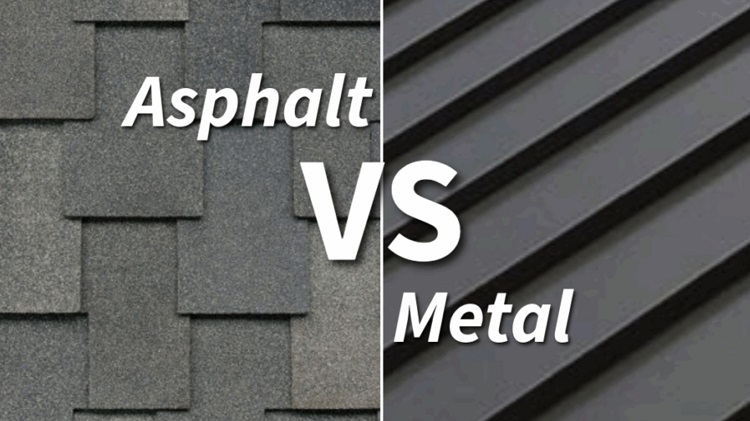
Choosing a new roof isn't just about picking a color that looks good from the street. For most homeowners, the real question comes down to money. A roof is one of the largest investments you'll make in your home's exterior, and the difference between roofing materials can add up to tens of thousands of dollars over the life of a property.
Metal roofing and asphalt shingles dominate the residential roofing market in the United States. Both options have loyal supporters, and both can protect a home effectively when installed by a qualified roofing contractor. However, they perform very differently when it comes to long-term costs, maintenance expenses, energy efficiency, insurance savings, and property value.
If you're planning a roof replacement, investing in exterior remodeling, or evaluating ways to increase home equity, understanding the true financial impact of each roofing system is essential.
This guide breaks down the real costs, hidden expenses, and long-term value of metal roofs and asphalt shingles so you can determine which one actually saves more money.
Understanding the Basics
What Is a Metal Roof?
Metal roofing is typically manufactured from steel, aluminum, zinc, or copper. Most residential systems use coated steel panels designed to resist corrosion and withstand decades of exposure to harsh weather conditions.
Modern metal roofs come in several styles:
- Standing seam metal roofing
- Corrugated metal panels
- Metal shingles
- Stone-coated steel roofing
- Aluminum roofing systems
Today's metal roofs look far different from the industrial roofs many people imagine. Premium products can resemble slate, cedar shakes, or traditional shingles while offering superior durability.
What Are Asphalt Shingles?
Asphalt shingles remain the most common roofing material in North America. They are relatively affordable, widely available, and familiar to homeowners and contractors alike.
The three primary types include:
- Three-tab shingles
- Architectural shingles
- Luxury shingles
Architectural shingles have become particularly popular because they provide a better appearance, longer lifespan, and improved wind resistance compared to traditional three-tab products.
Initial Installation Cost Comparison
For many homeowners, the upfront price becomes the deciding factor.
Asphalt Shingle Roof Cost
A typical asphalt shingle roof replacement generally costs between $5,000 and $15,000 for an average-sized home, depending on:
- Roof complexity
- Local labor rates
- Shingle quality
- Removal of existing roofing
- Roof decking repairs
- Regional building codes
Architectural shingles cost more than basic three-tab products but usually provide better value over time.
Because asphalt roofing materials are inexpensive and installation is straightforward, labor costs remain relatively manageable.
Metal Roof Cost
Metal roofing carries a significantly higher initial investment.
A residential metal roof often costs between $12,000 and $40,000 or more depending on:
- Material type
- Standing seam vs exposed fastener systems
- Roof design
- Labor complexity
- Regional construction costs
Standing seam metal roofing is generally considered the premium choice and can cost two to three times more than architectural shingles.
At first glance, asphalt shingles appear to be the clear winner financially.
The story changes when you start looking beyond installation day.
Lifespan: The Biggest Factor in Long-Term Savings
A roof should never be evaluated based solely on purchase price.
The real question is how long that investment lasts.
Asphalt Shingle Lifespan
Most asphalt shingles last:
- 15–20 years for three-tab shingles
- 20–30 years for architectural shingles
- 30–40 years for premium luxury shingles
Weather, ventilation, insulation upgrades, and maintenance all affect longevity.
In regions with intense heat, heavy snow, hurricanes, or frequent storms, actual lifespan may fall short of manufacturer estimates.
Metal Roof Lifespan
Most quality metal roofing systems last:
- 40–70 years for steel roofing
- 50+ years for aluminum roofing
- 70+ years for copper roofing
Many homeowners install a metal roof once and never replace it again.
This changes the financial equation dramatically.
Imagine a homeowner who remains in a property for 50 years.
They may replace an asphalt roof two or even three times.
A metal roof could potentially last the entire ownership period.
Which Roof Costs Less Over 50 Years?
Let's compare a realistic example.
Asphalt Shingles
Initial installation: $10,000
Replacement after 25 years: $13,000
Minor repairs and maintenance: $4,000
Total 50-year cost: $27,000
Metal Roofing
Initial installation: $22,000
Repairs and maintenance: $2,000
Total 50-year cost: $24,000
While exact figures vary by location and market conditions, this example illustrates why many property investors focus on lifetime ownership costs rather than upfront expenses.
A roof that costs more initially may ultimately cost less over decades.
Energy Efficiency and Utility Savings
One of the most overlooked financial advantages of metal roofing involves energy consumption.
Metal Roof Energy Performance
Metal reflects solar radiation rather than absorbing it.
As a result:
- Attic temperatures remain lower
- Air conditioning systems work less
- Indoor comfort improves
- Cooling expenses decrease
This benefit becomes especially noticeable in southern states such as Texas, Florida, Arizona, and Georgia.
Many ENERGY STAR-rated metal roofs feature reflective coatings designed specifically for improved thermal performance.
Combined with energy-efficient windows, proper insulation upgrades, and professional waterproofing solutions, homeowners may see meaningful reductions in summer utility bills.
Asphalt Shingle Energy Performance
Traditional asphalt shingles absorb more solar heat.
Dark-colored shingles can become extremely hot during summer months.
While cool-roof shingle products have improved significantly in recent years, asphalt generally cannot match the reflective properties of quality metal roofing.
Over several decades, utility savings can partially offset the higher purchase price of metal.
Maintenance Costs Over Time
Maintenance often determines whether a roof remains affordable.
Asphalt Roof Maintenance
Common issues include:
- Curling shingles
- Missing shingles
- Granule loss
- Wind damage
- Moss growth
- Ice dam formation
Routine inspections and occasional repairs are usually necessary throughout ownership.
Storm damage repair is also more common with asphalt systems.
Metal Roof Maintenance
Metal roofing generally requires less attention.
Typical maintenance includes:
- Checking fasteners
- Inspecting flashing
- Cleaning debris
- Monitoring sealants
While repairs can sometimes be more expensive when needed, they occur less frequently.
Many roofing contractors report significantly lower maintenance demands for properly installed standing seam systems.
Weather Resistance and Repair Costs
Weather plays a major role in roofing expenses.
Wind Resistance
Metal roofs often withstand winds exceeding 140 mph depending on the system.
High-quality architectural shingles typically handle winds between 110 and 130 mph.
For homeowners in hurricane-prone areas, stronger wind performance can reduce future repair expenses.
Hail Resistance
Performance varies by product.
Some metal roofs resist hail exceptionally well, while softer metals may dent cosmetically.
Premium impact-rated shingles can also perform well.
Reviewing local weather patterns is essential before making a decision.
Snow and Ice
Metal roofing sheds snow efficiently.
This reduces:
- Ice dam risks
- Structural loading
- Moisture intrusion
Northern homeowners frequently appreciate this advantage during severe winters.
Home Insurance Savings
Insurance companies evaluate risk.
A more durable roof often represents less risk.
Some insurers offer discounts for:
- Impact-resistant roofing
- Fire-resistant materials
- Wind-resistant systems
- Long-lasting roofing products
Metal roofs commonly qualify for insurance incentives in certain regions.
The exact savings vary by carrier and location, but homeowners should always request updated home insurance quotes after installing a new roof.
Even a modest annual discount can accumulate into substantial savings over decades.
Impact on Property Value
A roof influences far more than weather protection.
It affects:
- Curb appeal
- Buyer confidence
- Inspection results
- Real estate value
How Asphalt Shingles Affect Property Value
A new asphalt roof improves marketability and reassures buyers.
Most purchasers are familiar with shingles and understand their maintenance expectations.
However, buyers also recognize that replacement may be required within a few decades.
How Metal Roofing Affects Property Value
Metal roofing often attracts buyers seeking premium building materials and lower maintenance ownership.
Many real estate professionals report that a newer metal roof becomes a strong selling point, particularly in luxury home exterior projects and high-end residential construction.
Potential buyers appreciate knowing they likely won't face another roof replacement cost anytime soon.
Appearance and Curb Appeal
Financial decisions shouldn't ignore aesthetics.
Exterior appearance directly influences perceived value.
Asphalt Shingles
Advantages include:
- Familiar appearance
- Wide color selection
- Traditional residential style
- Easy neighborhood compatibility
Shingles complement almost every architectural design.
Metal Roofing
Modern metal roofing has evolved dramatically.
Available styles include:
- Contemporary standing seam
- Shake-look panels
- Slate-look metal roofing
- Traditional shingle profiles
Metal often creates a premium appearance that complements luxury home exterior renovations.
Whether this increases value depends on local market preferences.
Environmental Considerations
Many homeowners today evaluate sustainability alongside cost.
Asphalt Roofing Waste
Millions of tons of asphalt roofing enter landfills annually.
Although recycling programs exist, disposal remains a significant environmental concern.
Metal Roofing Sustainability
Metal roofing frequently contains recycled content.
Additionally:
- It is recyclable at end of life
- It lasts longer
- It generates less replacement waste
Long lifespan contributes to reduced environmental impact over time.
Installation Quality Matters More Than Most People Realize
Many roofing problems stem from installation mistakes rather than material defects.
A poorly installed metal roof can become expensive very quickly.
Likewise, even premium shingles will fail prematurely if installed incorrectly.
Before choosing materials, focus on finding a qualified roofing contractor.
Look for:
- Proper licensing
- Insurance coverage
- Manufacturer certifications
- Strong reviews
- Detailed contractor quotes
- Local references
The best roofing material in the world cannot compensate for poor workmanship.
Hidden Costs Homeowners Often Miss
When calculating exterior renovation cost projections, many homeowners overlook related projects.
A roof replacement frequently intersects with:
Gutter Installation
Old gutters may need replacement when a new roof is installed.
Modern gutter installation systems improve water management and reduce foundation issues.
Siding Replacement
Many homeowners coordinate roofing and siding replacement simultaneously.
Combining roofing with vinyl siding or fiber cement siding upgrades often improves project efficiency.
Exterior Painting Services
Trim, fascia, soffits, and exterior painting services may become necessary after roofing work.
Exterior Inspection
A thorough exterior inspection often reveals additional concerns such as:
- Moisture damage
- Rotting wood
- Flashing failures
- Ventilation issues
Addressing these issues early prevents larger repair bills later.
Common Mistakes When Comparing Roof Costs
Looking Only at Installation Price
The cheapest bid rarely produces the lowest lifetime ownership cost.
Ignoring Energy Savings
Cooling cost reductions may significantly influence long-term value.
Overlooking Insurance Benefits
Potential insurance discounts deserve consideration.
Assuming All Metal Roofs Are Equal
Material quality varies enormously.
Not every metal roof offers premium performance.
Forgetting Future Replacement Costs
One replacement today may become two or three replacements during long-term ownership.
Who Should Choose Asphalt Shingles?
Asphalt shingles often make sense for:
- Short-term homeowners
- Tight renovation budgets
- Starter homes
- Rental properties with shorter investment horizons
- Areas with moderate weather conditions
If you expect to sell within 5–10 years, the lower upfront cost may provide the strongest financial return.
Who Should Choose a Metal Roof?
Metal roofing often delivers superior value for:
- Long-term homeowners
- Luxury property owners
- Energy-conscious households
- Severe-weather regions
- High-value homes
- Property investors focused on lifecycle costs
If you plan to remain in your home for decades, metal becomes increasingly attractive financially.
Expert Recommendation
After evaluating thousands of roofing projects across different climates and property types, one pattern consistently emerges.
Homeowners who focus solely on purchase price usually choose asphalt shingles.
Homeowners who focus on lifetime ownership costs often gravitate toward metal roofing.
Neither choice is universally right.
The better option depends on your budget, expected length of ownership, local climate, insurance factors, and long-term financial goals.
For many Americans planning to stay in their homes for 20 years or more, a quality metal roof frequently provides the strongest overall return on investment.
For homeowners preparing to sell soon or managing a limited exterior remodeling budget, architectural asphalt shingles remain a practical and cost-effective solution.
Frequently Asked Questions
Is a metal roof worth the extra money?
For long-term homeowners, often yes. The longer lifespan, lower maintenance requirements, potential energy savings, and possible insurance discounts can offset the higher initial investment.
Does a metal roof increase home value?
In many markets, yes. Buyers often view metal roofing as a premium feature that reduces future maintenance concerns and roof replacement costs.
Are asphalt shingles cheaper to repair?
Generally, yes. Individual shingle repairs are usually less expensive than specialized metal roof repairs.
Which roof lasts longer?
Metal roofing typically lasts 40–70 years or more, while asphalt shingles generally last 15–30 years depending on product quality and environmental conditions.
Which roof is better for energy efficiency?
Metal roofs generally perform better because they reflect solar heat and help reduce cooling demands during hot weather.
Should I replace my gutters when replacing my roof?
Not always, but many homeowners choose to combine roof replacement, gutter installation, waterproofing solutions, and exterior cleaning services into one project to improve efficiency and reduce labor costs.
Final Verdict: Which One Saves More Money?
If you're evaluating only the upfront bill, asphalt shingles win easily.
If you're evaluating the total cost of ownership over decades—including maintenance, repairs, replacement cycles, energy efficiency, insurance considerations, and property value—metal roofing often comes out ahead.
The answer ultimately depends on how long you plan to own the home.
A homeowner staying for five years may never recover the additional cost of a metal roof.
A homeowner staying for thirty years might save thousands by choosing one.
That's why the smartest approach isn't asking, "Which roof is cheaper?"
It's asking, "Which roof costs less over the life of my home?"
In many cases, those are two very different answers.

