
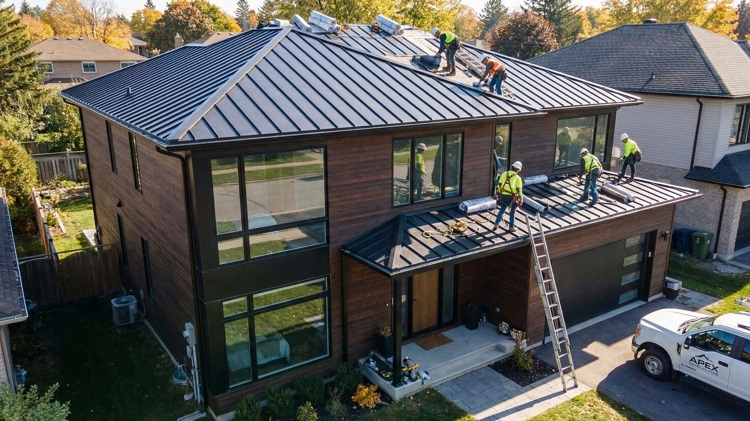
A roof replacement is one of those home improvement projects that nobody gets excited about until it becomes unavoidable. Unlike a kitchen remodel or a backyard makeover, a new roof isn't something most homeowners install for fun. It's usually triggered by a leak, storm damage, aging materials, rising insurance concerns, or a failed exterior inspection.
Yet despite being one of the largest exterior renovation costs a homeowner can face, roofing remains one of the most misunderstood investments in residential construction.
Many people still assume a roof replacement costs around $8,000 to $10,000 because that's what they heard from a neighbor years ago. In reality, roofing prices have changed dramatically over the past several years. Material costs, labor shortages, transportation expenses, insurance requirements, and building code updates have all pushed prices upward.
So, how much does a new roof cost in 2026?
For most U.S. homeowners, the average roof replacement cost falls between $9,500 and $32,000, depending on roof size, material selection, complexity, location, and contractor rates. High-end luxury home exterior projects can exceed $50,000 or even $100,000.
The real answer, however, depends on several important factors.
Let's break down everything homeowners need to know before requesting contractor quotes.
Average New Roof Cost in 2026
The national averages below represent complete roof replacement projects, including labor, materials, permits, disposal fees, and basic underlayment.
| Roof Type | Average Cost |
|---|---|
| Asphalt Shingle Roof | $9,500 – $18,000 |
| Architectural Shingles | $12,000 – $22,000 |
| Metal Roofing | $15,000 – $40,000 |
| Cedar Shake Roof | $18,000 – $45,000 |
| Slate Roof | $30,000 – $100,000+ |
| Clay Tile Roof | $25,000 – $70,000 |
| Concrete Tile Roof | $20,000 – $55,000 |
Most suburban homes in America still use asphalt shingles, making them the most affordable and commonly installed roofing materials.
If you're replacing a standard 2,000-square-foot roof with architectural shingles, a realistic budget in 2026 is somewhere between $14,000 and $20,000.
Why Roofing Costs Continue to Rise
Homeowners often experience sticker shock after receiving estimates.
There are several reasons behind the increase.
Labor Shortages
Skilled roofing crews remain in high demand throughout the United States. Experienced installers are becoming harder to find, especially in rapidly growing housing markets.
Labor now accounts for a significant percentage of total roof replacement cost.
Building Code Requirements
Many municipalities have adopted stricter roofing regulations.
Modern roofing systems may require:
- Ice and water shields
- Enhanced ventilation
- Additional fastening systems
- Upgraded flashing
- Storm-resistant underlayment
These improvements increase project costs but often provide better durability and weather resistance.
Insurance Requirements
Many home insurance providers have become stricter regarding roof condition.
Some insurers offer discounts for impact-resistant roofing materials, while others may require roof replacement before issuing or renewing coverage.
Because of this, roofing has become closely tied to both home insurance costs and long-term property protection.
Roof Cost by Square Foot
Roofing contractors commonly calculate pricing per roofing square.
One roofing square equals 100 square feet.
Average installation costs in 2026 include:
| Material | Cost Per Square Foot |
|---|---|
| Basic Asphalt | $4.50 – $8.00 |
| Architectural Asphalt | $6.00 – $11.00 |
| Metal Roofing | $8.00 – $20.00 |
| Cedar Shake | $10.00 – $22.00 |
| Clay Tile | $12.00 – $30.00 |
| Slate | $15.00 – $50.00 |
For example:
A 2,500-square-foot roof with architectural shingles could cost anywhere from $15,000 to $27,500 depending on local labor rates and project complexity.
Factors That Affect Roof Replacement Cost
No two roofs are exactly alike.
Several variables influence final pricing.
Roof Size
This is the most obvious factor.
Larger roofs require:
- More shingles
- More underlayment
- More flashing
- More labor hours
- Larger disposal containers
Even small increases in roof size can add thousands to total project costs.
Roof Pitch
Steeper roofs are more dangerous and time-consuming to work on.
Contractors often charge premium labor rates for roofs with steep slopes because additional safety equipment and specialized installation techniques are required.
Roof Complexity
Simple gable roofs cost less.
Complex roofs featuring multiple valleys, dormers, skylights, chimneys, and intersecting sections require significantly more labor.
Many homeowners underestimate how much roof design affects pricing.
Geographic Location
A roof replacement in rural Oklahoma will likely cost less than the same project in California, New York, or Massachusetts.
Labor costs, permit fees, transportation expenses, and local regulations all play a role.
Comparing Popular Roofing Materials
Choosing the right roofing material can dramatically affect both upfront costs and long-term value.
Asphalt Shingles
Pros:
- Most affordable option
- Easy installation
- Wide variety of colors
- Strong resale appeal
Cons:
- Shorter lifespan
- Vulnerable to severe weather
- May require replacement sooner
Average lifespan:
20–30 years
Metal Roofing
Pros:
- Exceptional longevity
- Energy-efficient performance
- Fire resistant
- Modern appearance
Cons:
- Higher upfront investment
- More specialized installation
Average lifespan:
40–70 years
Metal roofing has become increasingly popular among homeowners seeking energy-efficient exterior remodeling upgrades.
Slate Roofing
Pros:
- Premium appearance
- Extremely durable
- Long lifespan
Cons:
- Very expensive
- Heavy structural load
- Specialized installation requirements
Average lifespan:
75–150 years
Many luxury home exterior projects utilize slate because of its unmatched aesthetic appeal.
Hidden Costs Homeowners Often Overlook
One common mistake is focusing solely on the roofing estimate.
Additional costs may include:
Decking Repairs
After old shingles are removed, contractors sometimes discover rotted plywood beneath the roof surface.
Damaged decking must be replaced before new materials can be installed.
Ventilation Upgrades
Poor attic ventilation shortens roof lifespan.
Many roofing contractors recommend:
- Ridge vents
- Soffit vents
- Exhaust systems
These upgrades improve energy efficiency and reduce moisture buildup
Gutter Installation
Roof replacements frequently reveal aging gutter systems.
Many homeowners combine roofing projects with gutter installation to maximize labor efficiency.
Chimney and Flashing Repairs
Flashing failures cause countless roof leaks.
Replacing flashing during a roof installation often prevents future water damage.
Does a New Roof Increase Property Value?
In many cases, yes.
A new roof is one of the most valuable exterior renovation investments available.
Benefits include:
- Increased curb appeal
- Higher real estate value
- Improved buyer confidence
- Better home inspection results
- Enhanced weather protection
According to real estate professionals, a newer roof often helps homes sell faster, particularly in competitive markets.
Potential buyers view a recently replaced roof as one less major expense they will need to address.
Roofing and Energy Efficiency
Many homeowners don't realize how much roofing impacts utility bills.
Modern roofing systems can improve:
- Attic temperatures
- HVAC performance
- Moisture control
- Indoor comfort
Reflective roofing materials, upgraded insulation upgrades, and improved ventilation systems can significantly reduce cooling expenses.
Pairing roof replacement with energy-efficient windows and window replacement projects can further improve overall household efficiency.
When Should You Replace Instead of Repair?
Not every roofing issue requires full replacement.
However, replacement often makes more financial sense when:
- Roof is older than 20 years
- Multiple leaks are present
- Storm damage is extensive
- Shingles are curling or cracking
- Repairs become frequent
A trusted roofing contractor can help determine whether repairs or replacement offer better long-term value.
How Storm Damage Impacts Roofing Costs
Storm-related roof damage remains one of the leading causes of replacement projects.
Common issues include:
- Hail damage
- Wind uplift
- Falling tree limbs
- Water intrusion
- Flashing failures
Homeowners should schedule an exterior inspection following severe weather events.
Prompt storm damage repair can prevent structural deterioration and costly interior repairs.
Tips for Saving Money on a New Roof
Roof replacement isn't cheap, but there are smart ways to reduce expenses.
Get Multiple Contractor Quotes
Never accept the first estimate.
Comparing three to five contractor quotes often reveals substantial pricing differences.
Avoid the Cheapest Bid
Extremely low bids frequently lead to:
- Inferior materials
- Poor workmanship
- Warranty issues
Value matters more than simply finding the lowest price.
Bundle Exterior Projects
Combining roofing with:
- Siding replacement
- Exterior painting services
- Gutter installation
- Exterior cleaning services
can sometimes reduce overall labor costs.
Verify Insurance Coverage
If damage resulted from storms, wind, or hail, portions of the project may qualify under home insurance coverage.
Always check with your insurer before proceeding.
Roofing and Other Exterior Upgrades
A new roof often acts as a catalyst for broader exterior remodeling projects.
Many homeowners simultaneously invest in:
Vinyl Siding
Vinyl siding remains a budget-friendly option with low maintenance requirements.
Fiber Cement Siding
Fiber cement siding offers exceptional durability and premium aesthetics.
Waterproofing Solutions
Exterior waterproofing solutions help protect foundations, siding, and roofing systems from moisture damage.
Landscaping Investment
Improved landscaping investment can amplify curb appeal gains created by a new roof.
When multiple upgrades work together, the result is often a dramatic increase in overall property value.
Common Roofing Mistakes to Avoid
Homeowners frequently regret decisions made during roofing projects.
The most common mistakes include:
Choosing Price Over Quality
Cheap materials often lead to premature replacement.
Ignoring Ventilation
A beautiful roof can fail early if attic airflow remains inadequate.
Skipping Contractor Research
Always verify:
- Licensing
- Insurance
- References
- Reviews
- Warranty coverage
Delaying Necessary Replacement
Waiting too long can allow minor roofing problems to become major structural issues.
Is Financing a Roof Replacement Worth It?
For many homeowners, financing provides flexibility.
Benefits include:
- Immediate protection
- Predictable monthly payments
- Preservation of emergency savings
- Potential home equity growth
Many lenders now offer specialized home improvement financing programs designed specifically for major exterior renovation cost projects.
Before financing, compare interest rates carefully and calculate total repayment costs.
Frequently Asked Questions
What is the average cost of a new roof in 2026?
Most homeowners spend between $9,500 and $32,000, depending on roof size, material, location, and installation complexity.
How long does a roof replacement take?
Most residential projects take one to five days. Larger or more complex roofs may require additional time.
Does homeowners insurance cover roof replacement?
Insurance typically covers sudden damage from storms, hail, wind, or other covered events. Normal aging and wear usually are not covered.
What roofing material lasts the longest?
Slate roofs generally offer the longest lifespan, often exceeding 100 years when properly maintained.
Is metal roofing worth the extra cost?
For many homeowners, yes. Metal roofing provides exceptional durability, energy efficiency, and long-term value despite higher upfront costs.
Should I replace gutters when replacing a roof?
Not always, but many contractors recommend evaluating gutter condition during the project to avoid future labor expenses.
Final Thoughts
A roof replacement in 2026 represents a substantial investment, but it remains one of the most important projects a homeowner can undertake. Beyond protecting the structure itself, a quality roofing system supports energy efficiency, improves curb appeal, strengthens home insurance eligibility, and contributes directly to long-term real estate value.
The biggest mistake homeowners make isn't necessarily spending too much. It's focusing only on the initial price tag while overlooking material quality, installation expertise, ventilation design, waterproofing performance, and long-term durability. A roof that lasts 40 years is often far less expensive over time than one requiring major repairs after 12 or 15 years.
If you're considering a new roof this year, start by scheduling a professional exterior inspection, gathering multiple contractor quotes, and evaluating how the project fits into your broader home improvement goals. Whether you're protecting your family home, preparing a property for sale, building home equity, or upgrading a luxury home exterior, a well-planned roof replacement remains one of the smartest investments you can make in your property's future.

