
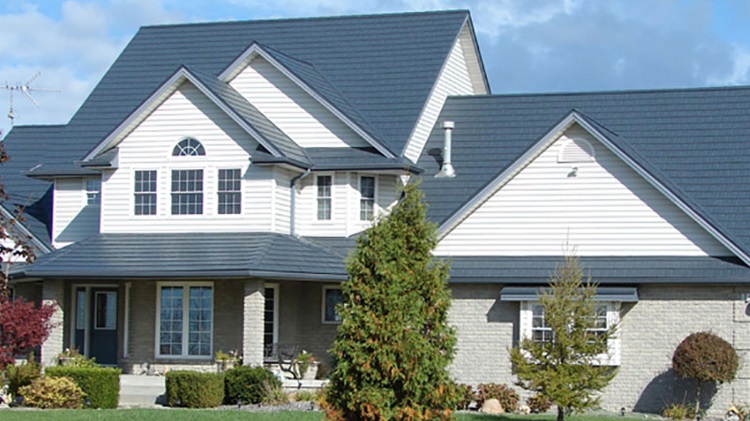
Selling a home often comes with a long list of decisions. Some upgrades seem obvious, while others leave homeowners wondering whether they're about to spend thousands of dollars for little return. One of the most debated exterior improvements is siding replacement.
If you're preparing to put your home on the market, you've probably asked yourself a simple question: Is replacing siding before selling actually worth the cost?
The answer isn't always straightforward. In some cases, new siding can dramatically improve curb appeal, increase property value, attract more buyers, and help a home sell faster. In other situations, spending tens of thousands of dollars on a full exterior remodeling project may not provide the return you're hoping for.
The key is understanding how siding affects buyer perception, home value, maintenance concerns, energy efficiency, and overall marketability.
This guide breaks down everything homeowners need to know before investing in siding replacement prior to listing their property.
Why Siding Matters More Than Most Sellers Realize
Many homeowners focus heavily on kitchens and bathrooms when preparing a property for sale. While those areas certainly influence buyers, the exterior is often what determines whether someone wants to see the inside in the first place.
Think about it from a buyer's perspective.
Before scheduling a showing, potential buyers usually scroll through online photos. The first image is often the front of the home. If the siding looks faded, warped, cracked, or neglected, buyers immediately begin making assumptions.
They may wonder:
- Has the home been properly maintained?
- Are there hidden repair issues?
- Will expensive exterior work be required soon?
- Could there be moisture damage underneath?
These concerns can lower perceived value before buyers even step through the front door.
New siding creates a completely different first impression. It signals care, maintenance, and pride of ownership.
In competitive real estate markets, that first impression can significantly influence buyer behavior.
The Connection Between Siding and Curb Appeal
Real estate agents often talk about curb appeal because it directly affects buyer interest.
Curb appeal isn't just about aesthetics. It's about emotional response.
When buyers pull up to a property with fresh siding, clean landscaping, updated gutters, and modern exterior finishes, they begin imagining themselves living there.
Exterior upgrades commonly associated with strong curb appeal include:
- Siding replacement
- Exterior painting services
- Window replacement
- Gutter installation
- Landscaping investment
- Roof replacement
- Exterior cleaning services
- Updated entry doors
Among these projects, siding typically covers the largest visible surface area, making it one of the most impactful visual improvements available.
How Much Does Siding Replacement Cost?
Costs vary widely depending on materials, labor rates, location, and home size.
National averages generally fall within these ranges:
Vinyl Siding
Typical cost:
$8,000–$20,000+
Vinyl siding remains one of the most popular options because it balances affordability, durability, and low maintenance requirements.
Many homeowners choose vinyl siding before selling because it offers strong visual improvement without premium pricing.
Fiber Cement Siding
Typical cost:
$15,000–$40,000+
Fiber cement siding has gained popularity among homeowners seeking a more upscale appearance.
Products such as fiber cement often mimic wood while providing superior resistance to pests, fire, and weather damage.
Many buyers view fiber cement siding as a premium building material.
Engineered Wood Siding
Typical cost:
$12,000–$30,000+
Engineered wood offers a natural appearance with lower maintenance requirements than traditional wood siding.
It appeals to buyers seeking warmth and architectural character.
Luxury Exterior Materials
Premium materials may include:
- Natural cedar
- Stone veneer
- Brick accents
- Composite cladding
- Architectural panels
These upgrades can significantly increase exterior renovation costs but may also enhance real estate value in luxury markets.
Does New Siding Increase Property Value?
In many cases, yes.
However, homeowners should avoid assuming they'll recover every dollar spent.
Most exterior improvements provide partial cost recovery rather than a dollar-for-dollar return.
Several factors influence value:
- Local housing market conditions
- Home price range
- Neighborhood standards
- Material selection
- Installation quality
- Buyer expectations
A home located in a neighborhood filled with updated exteriors may struggle if its siding is visibly deteriorated.
Conversely, replacing aging siding can help bring the property in line with surrounding homes and protect market value.
Return on Investment Expectations
Industry reports consistently rank siding replacement among the stronger exterior remodeling projects for return on investment.
Many homeowners recover a substantial portion of project costs through:
- Increased sale price
- Faster transactions
- Reduced buyer negotiations
- Stronger offers
- Higher perceived home condition
The exact percentage varies, but siding frequently performs better than many interior cosmetic upgrades.
Signs Your Siding May Need Replacement Before Listing
Not every home needs new siding before going on the market.
Sometimes repairs or cleaning are sufficient.
However, certain warning signs can make replacement worth serious consideration.
Cracks and Warping
Visible cracks, buckling, or warped panels often suggest age-related deterioration.
Buyers notice these issues immediately.
Rot or Moisture Damage
Wood rot can raise concerns about structural integrity.
Moisture-related problems may also trigger concerns during a home inspection.
Fading and Discoloration
Extremely faded siding makes a home appear older and less maintained.
Fresh siding often provides an instant visual upgrade.
Mold and Mildew Growth
Persistent mold stains can suggest moisture management issues.
Potential buyers frequently interpret these signs as expensive future problems.
Frequent Maintenance Requirements
If siding requires constant repairs, replacement may be more cost-effective than ongoing patchwork fixes.
The Hidden Advantage: Faster Home Sales
Many sellers focus exclusively on sale price.
Yet time on market matters too.
A property sitting unsold for months often faces:
- Price reductions
- Buyer skepticism
- Increased carrying costs
- Mortgage payments
- Utility expenses
- Insurance costs
Homes with attractive exteriors often generate stronger initial interest.
More showings can lead to:
- Faster offers
- Multiple-offer situations
- Reduced negotiation pressure
In hot markets, this advantage can be substantial.
Energy Efficiency Benefits Buyers Notice
Modern siding systems often improve insulation performance.
While siding alone isn't a magic solution, it can complement:
- Insulation upgrades
- Energy-efficient windows
- Waterproofing solutions
- Air sealing improvements
Today's buyers increasingly care about utility costs.
When sellers can demonstrate improved energy performance, it becomes an additional selling point.
Especially in regions with harsh winters or hot summers, energy efficiency can influence purchasing decisions.
When Siding Replacement May Not Be Worth It
Despite its benefits, siding replacement isn't always the smartest pre-sale investment.
There are situations where the money could produce better returns elsewhere.
The Siding Is Structurally Sound
If the siding remains functional and attractive, replacement may offer limited additional value.
Minor repairs and cleaning might achieve similar results.
You're Selling in a Hot Seller's Market
When inventory is low and buyer demand is extremely high, homes often sell quickly regardless of cosmetic shortcomings.
In these situations, extensive upgrades may not significantly increase offers.
The Budget Is Limited
Some homeowners preparing to sell have limited renovation funds.
Instead of spending everything on siding, they may achieve stronger returns by addressing:
- Roof replacement issues
- HVAC concerns
- Exterior painting services
- Landscaping improvements
- Window replacement
- Gutter installation
A balanced approach often produces better overall results.
Comparing Siding Replacement to Other Exterior Upgrades
Before committing to a major project, compare siding replacement against other high-impact improvements.
Roof Replacement
Roof condition often carries significant weight during inspections.
A deteriorated roof may raise more buyer concerns than aging siding.
Roof replacement cost can be substantial, but buyers often view a new roof as a major advantage.
Working with a qualified roofing contractor can help determine whether roof improvements deserve priority.
Exterior Painting
Painting is frequently cheaper than replacement.
If existing siding remains in good condition, fresh paint may dramatically improve appearance.
Window Replacement
Modern windows offer benefits such as:
- Improved efficiency
- Better aesthetics
- Enhanced comfort
- Reduced maintenance
Window replacement can be especially valuable when existing windows show visible deterioration.
Gutter Installation
New gutters improve drainage, appearance, and moisture protection.
Buyers appreciate evidence of proper water management.
What Buyers Notice During Exterior Inspections
Professional home inspectors carefully evaluate the home's exterior.
Common inspection concerns include:
- Water intrusion
- Rot
- Pest damage
- Improper flashing
- Missing caulking
- Structural concerns
- Drainage issues
New siding can reduce the likelihood of certain inspection findings, though installation quality remains critical.
Poor workmanship can create problems just as easily as old materials.
Choosing the Right Siding Material Before Selling
Material selection matters.
The goal isn't necessarily choosing the most expensive option.
Instead, focus on matching neighborhood expectations and buyer preferences.
Vinyl Siding
Best for:
- Budget-conscious sellers
- Mid-range homes
- Quick visual improvement
Advantages:
- Affordable
- Low maintenance
- Wide color selection
Fiber Cement Siding
Best for:
- Higher-value properties
- Luxury home exterior projects
- Long-term durability
Advantages:
- Premium appearance
- Fire resistance
- Excellent durability
Engineered Wood
Best for:
- Traditional architecture
- Buyers seeking natural aesthetics
Advantages:
- Authentic appearance
- Strong curb appeal
Common Mistakes Sellers Make
Many homeowners unintentionally reduce return on investment by making avoidable mistakes.
Over-Improving the Property
Installing ultra-premium materials in a modest neighborhood rarely produces proportional returns.
Match upgrades to local market expectations.
Ignoring Other Exterior Problems
New siding won't distract buyers from:
- Damaged roofing materials
- Poor landscaping
- Broken gutters
- Aging windows
A holistic exterior strategy often performs best.
Skipping Contractor Research
Always obtain multiple contractor quotes.
Quality installation matters just as much as material selection.
Poor workmanship can become a major issue during inspections.
Getting Accurate Contractor Quotes
Before making a decision, gather several estimates.
Ask contractors about:
- Material options
- Labor costs
- Warranty coverage
- Timeline expectations
- Moisture protection methods
- Insulation upgrades
- Permit requirements
Detailed proposals allow meaningful comparisons.
The lowest bid isn't always the best value.
The Insurance Factor
Some buyers consider home insurance costs when evaluating properties.
Updated exteriors may reduce perceived risk.
While siding alone doesn't guarantee lower premiums, homes with well-maintained exteriors often appear less risky from an underwriting perspective.
Storm-resistant materials can be particularly attractive in regions prone to severe weather.
Storm Damage and Pre-Sale Decisions
In areas affected by hail, wind, or severe storms, siding replacement may be necessary rather than optional.
Storm damage repair issues can become significant negotiation points during the sale process.
If damage exists, obtaining a professional exterior inspection before listing can help identify concerns early.
Addressing these issues proactively often prevents surprises later.
Real-World Example: When New Siding Pays Off
Imagine two nearly identical homes listed in the same neighborhood.
Home A:
- Faded siding
- Visible repairs
- Aging gutters
- Stained exterior surfaces
Home B:
- New vinyl siding
- Fresh gutters
- Clean landscaping
- Updated exterior finishes
Even if both homes have similar interiors, buyers are likely to view Home B as better maintained.
That perception often translates into stronger offers and reduced negotiation pressure.
This doesn't guarantee a specific return, but buyer psychology plays a powerful role in residential construction and real estate transactions.
Should Investors Replace Siding Before Selling?
Property investors frequently ask this question.
The answer depends on:
- Acquisition cost
- Target buyer profile
- Neighborhood standards
- Expected resale value
For fix-and-flip projects, siding replacement often delivers strong visual transformation.
However, investors should carefully calculate expected returns before committing significant capital.
Every dollar spent should support the overall profit strategy.
Frequently Asked Questions
How much value does new siding add to a home?
The exact amount varies by market, material, and property condition. New siding often improves buyer perception, curb appeal, and marketability, which can contribute to a higher sale price.
Is vinyl siding good for resale value?
Yes. Vinyl siding remains one of the most cost-effective options for improving exterior appearance and attracting buyers.
Should I replace siding or paint it before selling?
If siding is structurally sound, painting may provide a better return. If there is extensive damage, warping, rot, or aging, replacement is usually the better solution.
Will buyers notice old siding?
Absolutely. Exterior condition is one of the first things buyers evaluate both online and during in-person visits.
Can new siding help a house sell faster?
In many cases, yes. Improved curb appeal often generates stronger buyer interest and more showings.
What exterior upgrades work best with siding replacement?
Popular complementary upgrades include energy-efficient windows, gutter installation, roof improvements, exterior lighting, landscaping investment, waterproofing solutions, and professional exterior cleaning services.
Final Thoughts
Replacing siding before selling can be one of the most impactful home improvement investments a homeowner makes, but it isn't automatically the right choice for every property. The best candidates are homes with visible wear, moisture issues, outdated exteriors, or poor curb appeal that could discourage buyers before they even schedule a showing.
When carefully planned, siding replacement can improve property value, strengthen buyer confidence, enhance energy efficiency, support home equity growth, and help a property stand out in a competitive market. Combined with smart exterior remodeling projects such as window replacement, gutter installation, roof improvements, landscaping upgrades, and professional exterior inspections, new siding can transform both the appearance and perceived value of a home.
Before moving forward, compare contractor quotes, evaluate local market conditions, consider exterior renovation costs, and focus on upgrades that align with neighborhood expectations. In many situations, the right siding project doesn't just make a house look better—it makes buyers feel better about making an offer.

