
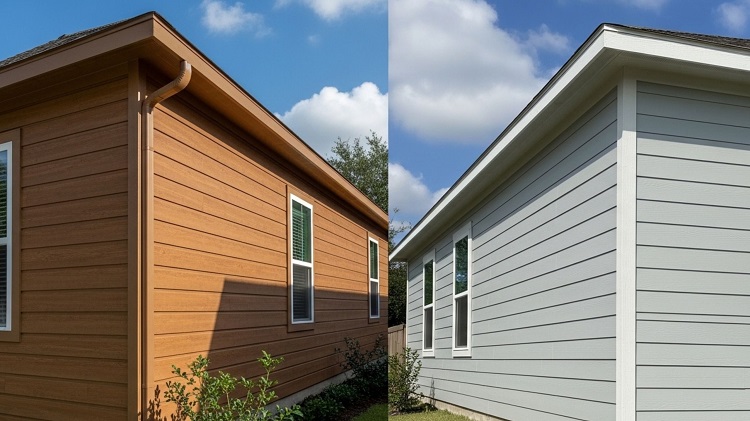
At first glance, both products appear to solve the same problem. They improve curb appeal, protect the structure from weather, and can significantly increase property value. Both are commonly used in residential construction, both are available in attractive styles, and both are often recommended by contractors during exterior remodeling projects.
Yet the differences become much more important once you start looking at installation costs, maintenance requirements, long-term durability, insurance considerations, and expected lifespan.
For many homeowners, siding is not just an exterior finish. It is a major financial investment that directly affects home equity, energy efficiency, resale value, and future maintenance expenses. Choosing the wrong material can result in higher repair bills, premature replacement, or expensive moisture-related problems years down the road.
This detailed comparison breaks down the real-world differences between fiber cement siding and engineered wood siding, including cost, durability, maintenance, appearance, installation challenges, and long-term value.
Understanding Fiber Cement Siding
Fiber cement siding is a manufactured building material made from a combination of cement, sand, cellulose fibers, and water.
The result is an extremely durable product designed to mimic the appearance of natural wood while offering greater resistance to weather, insects, and fire.
Many homeowners recognize products manufactured by leading brands such as James Hardie, which has become one of the most popular choices for exterior renovation projects throughout the United States.
Fiber cement can be manufactured in several profiles:
- Lap siding
- Vertical panels
- Board and batten styles
- Shake siding
- Shingle siding
- Modern architectural panels
One reason fiber cement siding has become popular among roofing contractors, builders, and exterior remodeling professionals is its ability to withstand a wide range of environmental conditions.
What Is Engineered Wood Siding?
Engineered wood siding combines wood fibers, wood strands, resins, and waxes under high pressure to create a siding product that resembles traditional wood.
Unlike natural wood siding, engineered wood is specifically designed to address common weaknesses such as moisture absorption, insect damage, and warping.
The manufacturing process allows engineered wood to maintain much of the warmth and natural appearance homeowners love while improving overall durability.
Popular options often come pre-primed or pre-finished, reducing labor costs during installation.
Because engineered wood is lighter than fiber cement, many contractors find it easier and faster to install.
Quick Comparison at a Glance
| Feature | Fiber Cement Siding | Engineered Wood Siding |
|---|---|---|
| Average Lifespan | 40–50+ years | 20–35 years |
| Fire Resistance | Excellent | Moderate |
| Pest Resistance | Excellent | Good |
| Moisture Resistance | Excellent | Good |
| Impact Resistance | Very Good | Good |
| Maintenance | Low | Moderate |
| Installation Cost | Higher | Lower |
| Material Weight | Heavy | Lightweight |
| Appearance | Wood-like | Very Natural |
| Resale Value | Excellent | Good |
Fiber Cement Siding Cost
Cost is often the deciding factor for homeowners budgeting a complete exterior renovation cost.
Fiber cement siding generally costs more to install than engineered wood.
Average U.S. pricing:
Material Cost
- $5 to $12 per square foot
Installed Cost
- $10 to $18 per square foot
For a typical 2,000-square-foot home, total project costs often range between:
$15,000 to $35,000
Several factors influence pricing:
- Regional labor rates
- Complexity of design
- Existing siding removal
- Exterior inspection findings
- Waterproofing solutions required
- Trim replacement
- Accessibility
The weight of fiber cement significantly contributes to labor expenses. Installers require specialized cutting tools, additional manpower, and more time to complete the project.
Engineered Wood Siding Cost
Engineered wood generally offers a more affordable entry point.
Material Cost
- $3 to $8 per square foot
Installed Cost
- $7 to $14 per square foot
For an average-sized home, installation typically falls between:
$10,000 to $25,000
The lighter material reduces installation time, which can generate meaningful savings on labor.
Homeowners planning multiple projects simultaneously—such as gutter installation, window replacement, energy-efficient windows, or roof replacement cost upgrades—often appreciate the budget flexibility engineered wood provides.
Which Option Offers Better Long-Term Value?
Upfront cost tells only part of the story.
A siding system should be evaluated based on:
- Initial installation cost
- Maintenance expenses
- Repair frequency
- Expected lifespan
- Impact on real estate value
- Insurance considerations
While fiber cement costs more initially, its longer lifespan often reduces lifetime ownership expenses.
For example, if fiber cement lasts 50 years and engineered wood lasts 30 years, the annualized ownership cost may actually favor fiber cement despite the larger initial investment.
This becomes especially important for property investors planning long holding periods.
Durability Comparison
Durability is where fiber cement begins to separate itself from engineered wood.
Fiber Cement Durability
Fiber cement performs exceptionally well in:
- Heavy rain
- Humid climates
- Coastal environments
- High winds
- Freeze-thaw cycles
- Extreme heat
Many manufacturers offer warranties ranging from 30 to 50 years.
The material does not rot, attract termites, or provide a food source for insects.
When properly installed with quality flashing and waterproofing solutions, fiber cement can remain structurally sound for decades.
Engineered Wood Durability
Engineered wood performs far better than traditional wood siding.
However, it remains partially wood-based.
Modern resin technology greatly improves moisture resistance, but prolonged water exposure can eventually create problems if maintenance is neglected.
Performance largely depends on:
- Installation quality
- Climate conditions
- Maintenance practices
- Manufacturer quality
In moderate climates with proper care, engineered wood can provide decades of reliable service.
Weather Resistance
Exterior materials face constant exposure to environmental stress.
Rain and Moisture
Fiber cement has a clear advantage.
Its composition allows it to resist moisture penetration more effectively than wood-based products.
This makes it particularly attractive in regions experiencing:
- Heavy rainfall
- Coastal humidity
- Seasonal storms
- Snow accumulation
Wind Resistance
Both products perform well when installed correctly.
Many systems can withstand winds exceeding 130 mph.
However, fastening methods and installation quality often matter more than the siding material itself.
Hail Resistance
Fiber cement generally offers superior resistance to hail and flying debris.
Homeowners in storm-prone regions often prioritize this factor when evaluating home insurance premiums.
Fire Resistance
This category is not particularly close.
Fiber cement is non-combustible.
Engineered wood contains wood fibers and remains combustible despite treatment processes.
In wildfire-prone areas of:
- California
- Colorado
- Arizona
- Oregon
- Washington
Many building professionals strongly favor fiber cement due to its fire performance.
Insurance companies may also view fire-resistant exterior materials more favorably.
Pest Resistance
Termites remain a major concern throughout many parts of the United States.
Fiber cement contains no wood content, making it highly resistant to:
- Termites
- Carpenter ants
- Wood-boring insects
Engineered wood receives protective treatments but still contains organic materials.
While modern products perform well, they cannot completely eliminate insect-related risks.
Maintenance Requirements
Maintenance expenses often surprise homeowners years after installation.
Fiber Cement Maintenance
Typical maintenance includes:
- Occasional washing
- Exterior cleaning services
- Periodic caulk inspection
- Repainting every 10–15 years
Overall, maintenance requirements remain relatively low.
Engineered Wood Maintenance
Engineered wood generally requires:
- More frequent inspections
- Touch-up painting
- Moisture monitoring
- Caulk maintenance
Neglecting maintenance can shorten its lifespan significantly.
Homeowners willing to stay proactive often experience excellent results, but engineered wood demands more attention.
Appearance and Curb Appeal
This category is more subjective.
Many homeowners feel engineered wood delivers the most authentic wood appearance.
The texture, grain patterns, and visual warmth often look remarkably close to natural wood siding.
Fiber cement has improved dramatically over the past decade, but some people still notice subtle differences when viewed up close.
For luxury home exterior projects emphasizing traditional architecture, engineered wood frequently earns high marks for aesthetics.
However, most visitors cannot distinguish premium fiber cement from painted wood once installed.
Impact on Property Value
Exterior upgrades consistently rank among the most valuable home improvement projects.
According to numerous remodeling industry reports, quality siding replacement can improve:
- Property value
- Buyer interest
- Energy efficiency perception
- Home equity
- Marketability
Fiber cement often generates slightly stronger resale performance due to its reputation for durability and low maintenance.
Prospective buyers frequently appreciate the idea of not worrying about siding replacement for several decades.
Installation Considerations
Installation quality affects performance more than many homeowners realize.
Even the best siding product can fail if improperly installed.
Fiber Cement Challenges
Installers must deal with:
- Heavy materials
- Specialized tools
- Dust management
- Additional labor requirements
Hiring experienced contractors becomes essential.
Engineered Wood Advantages
Engineered wood is:
- Easier to cut
- Easier to transport
- Faster to install
- Less labor-intensive
This often translates into lower contractor quotes.
Energy Efficiency Considerations
Siding alone rarely determines a home's energy efficiency.
However, exterior wall systems contribute significantly when paired with:
- Insulation upgrades
- House wrap systems
- Energy-efficient windows
- Proper air sealing
Both products perform similarly when installed over quality insulation systems.
The larger efficiency gains usually come from improving the wall assembly behind the siding.
Environmental Impact
Many environmentally conscious homeowners compare sustainability.
Fiber Cement
Pros:
- Extremely long lifespan
- Reduced replacement frequency
- Recyclable components in some regions
Cons:
- Energy-intensive manufacturing
Engineered Wood
Pros:
- Uses wood byproducts
- Lower transportation emissions
- Lighter weight
Cons:
- Shorter replacement cycle
Neither option is universally superior from an environmental perspective.
Common Mistakes Homeowners Make
Choosing Based Solely on Price
The cheapest estimate often becomes the most expensive decision over time.
Always compare lifecycle costs rather than installation cost alone.
Ignoring Contractor Experience
Fiber cement requires specialized installation knowledge.
An inexperienced installer can create moisture issues that negate the product's advantages.
Overlooking Climate Conditions
A material that performs perfectly in Arizona may face entirely different challenges in Florida.
Local climate should heavily influence your decision.
Focusing Only on Siding
Many homeowners replace siding while ignoring:
- Roofing materials
- Gutter installation
- Flashing systems
- Window replacement
- Exterior painting services
A comprehensive exterior remodeling strategy usually produces better long-term results.
Best Choice for Different Homeowners
Choose Fiber Cement If:
You want:
- Maximum durability
- Fire resistance
- Minimal maintenance
- Strong resale value
- Long-term ownership
It is particularly attractive for homeowners planning to remain in their property for many years.
Choose Engineered Wood If:
You want:
- Lower installation costs
- Authentic wood appearance
- Faster installation
- Reduced labor expenses
It works especially well for budget-conscious renovations that still prioritize appearance.
Expert Recommendation
After working around countless exterior renovation projects, one trend becomes clear.
Homeowners rarely regret investing in durability.
While engineered wood remains an excellent siding product, fiber cement typically wins when evaluated across a 30-to-50-year ownership timeline.
Its resistance to moisture, insects, fire, and weather-related deterioration makes it one of the most dependable premium building materials available today.
That said, engineered wood continues to be a smart option for homeowners seeking lower upfront costs without sacrificing curb appeal.
The best choice ultimately depends on your budget, climate, maintenance preferences, and long-term plans for the property.
Frequently Asked Questions
Is fiber cement siding worth the extra cost?
For many homeowners, yes. The longer lifespan, lower maintenance requirements, and stronger durability often justify the higher upfront investment.
Does engineered wood siding rot?
Modern engineered wood is highly resistant to rot, but prolonged moisture exposure can still cause problems if maintenance is neglected.
Which siding lasts longer?
Fiber cement typically lasts 40 to 50 years or more, while engineered wood generally lasts 20 to 35 years depending on maintenance and environmental conditions.
Which siding increases home value more?
Fiber cement often delivers slightly stronger resale value because buyers associate it with durability and lower future maintenance costs.
Is fiber cement better than vinyl siding?
In many situations, yes. Fiber cement generally offers better durability, fire resistance, impact resistance, and premium appearance than vinyl siding.
Can homeowners install either product themselves?
While some experienced DIY enthusiasts install engineered wood successfully, both products benefit from professional installation. Fiber cement, in particular, is challenging due to its weight and specialized handling requirements.
Final Thoughts
The fiber cement siding versus engineered wood debate has no universal winner. Both products outperform many older exterior cladding systems and can dramatically improve curb appeal, weather protection, and real estate value.
If your priority is maximum longevity, minimal maintenance, fire resistance, and long-term return on investment, fiber cement remains one of the strongest choices available in today's home improvement market.
If budget flexibility, authentic wood aesthetics, and easier installation matter most, engineered wood deserves serious consideration.
Either way, the smartest investment is not simply choosing the right siding. It's combining quality materials with experienced contractors, proper waterproofing solutions, thoughtful exterior design, and a comprehensive approach to protecting your home's exterior for decades to come.

