
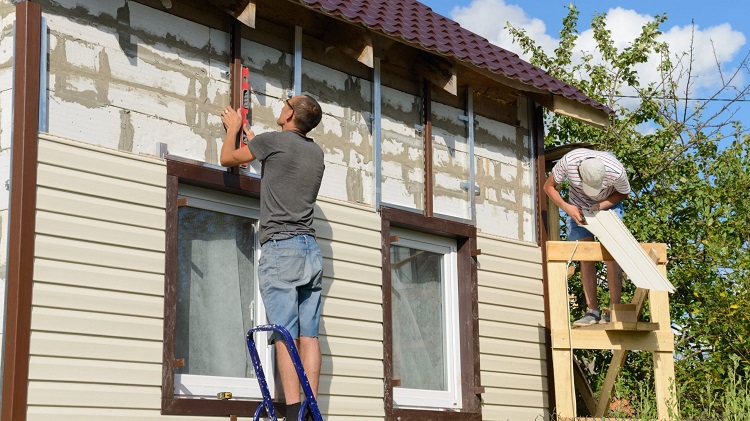
When homeowners start thinking about exterior remodeling, siding replacement often lands somewhere between "I know I need it" and "I have no idea what it's going to cost." Unlike a fresh coat of paint or a weekend landscaping project, replacing siding is a major investment that affects curb appeal, energy efficiency, weather protection, property value, and even future home insurance claims.
The challenge is that siding costs can vary dramatically. One homeowner may spend $8,000 replacing aging vinyl panels, while another invests more than $50,000 installing premium fiber cement siding on a luxury home exterior. The difference comes down to materials, labor, home size, local construction costs, and the condition of what's hiding beneath the old siding.
If you're wondering what a typical American homeowner should expect to pay, this guide breaks down real-world siding replacement costs, material options, labor expenses, hidden fees, and money-saving strategies that can help you make a smart decision.
Average Siding Replacement Cost in the United States
For a typical American home ranging from 1,500 to 2,500 square feet, siding replacement generally costs between $10,000 and $28,000.
Most homeowners report spending around $16,000 to $22,000 for a complete siding replacement project, including materials, labor, removal of old siding, trim work, and cleanup.
Here's a general cost overview:
| Home Size | Estimated Cost Range |
|---|---|
| 1,200 sq ft | $8,000 – $15,000 |
| 1,500 sq ft | $10,000 – $18,000 |
| 2,000 sq ft | $14,000 – $25,000 |
| 2,500 sq ft | $18,000 – $32,000 |
| 3,000+ sq ft | $22,000 – $50,000+ |
These figures represent complete replacement rather than spot repairs.
A homeowner replacing damaged siding on one wall after storm damage repair may spend only a few thousand dollars. A full exterior renovation involving premium building materials can cost significantly more.
Why Siding Replacement Costs Vary So Much
Many homeowners are surprised when contractor quotes differ by thousands of dollars.
The reality is that siding installation is influenced by several major variables.
Material Selection
Material choice is usually the biggest pricing factor.
Basic vinyl siding remains one of the most affordable options, while fiber cement siding, engineered wood, and luxury composite products command premium prices.
Labor Costs
Labor rates vary considerably across the country.
A siding contractor in rural Arkansas may charge significantly less than a contractor working in California, Massachusetts, or Washington state.
Home Design Complexity
A simple ranch-style home is generally less expensive to side than a multi-story property with:
- Dormers
- Gables
- Decorative trim
- Bay windows
- Multiple roof lines
- Custom architectural features
More complexity means more labor hours and higher installation costs.
Existing Damage
Removing old siding sometimes reveals hidden issues such as:
- Water damage
- Mold growth
- Rotting sheathing
- Pest infestations
- Insulation deficiencies
Unexpected repairs can add thousands of dollars to the final bill.
Vinyl Siding Replacement Cost
Vinyl siding remains America's most popular siding material for a reason.
It's affordable, low-maintenance, and available in hundreds of colors and styles.
Average installed cost:
$5 to $12 per square foot
For a typical 2,000-square-foot home:
$10,000 to $18,000
Pros
- Budget-friendly
- Minimal maintenance
- Large color selection
- Resistant to insects
- Widely available
Cons
- Can crack in extreme weather
- Less premium appearance
- May fade over time
- Lower impact resistance
Many homeowners focused on maximizing ROI choose vinyl siding because the upfront investment remains manageable while still boosting curb appeal and property value.
Fiber Cement Siding Cost
Fiber cement siding has become increasingly popular among homeowners seeking durability and upscale aesthetics.
Products like fiber cement mimic natural wood while offering exceptional resistance to fire, moisture, insects, and weather.
Average installed cost:
$8 to $18 per square foot
Typical home:
$16,000 to $36,000
Pros
- Excellent durability
- Fire resistant
- Premium appearance
- Long lifespan
- Strong resale appeal
Cons
- Higher installation costs
- Heavier material
- Requires professional installation
- Periodic repainting needed
Many real estate professionals consider fiber cement one of the best investments for increasing real estate value in competitive housing markets.
Engineered Wood Siding Cost
Engineered wood offers the appearance of traditional wood without many of the maintenance headaches.
Average installed cost:
$7 to $15 per square foot
Typical project:
$14,000 to $30,000
Homeowners often choose engineered wood when they want warmth and character without committing to the maintenance demands of natural cedar siding.
Natural Wood Siding Cost
Nothing quite matches the appearance of genuine wood.
However, beauty comes with responsibility.
Average installed cost:
$10 to $22 per square foot
Typical home:
$20,000 to $45,000+
Wood siding requires ongoing maintenance, including staining, sealing, waterproofing solutions, and inspections to prevent moisture damage.
Brick Veneer and Stone Veneer Alternatives
Some homeowners evaluating exterior renovation costs compare siding replacement against stone or brick veneer upgrades.
Average installed cost:
- Brick veneer: $15–$30 per square foot
- Stone veneer: $20–$50 per square foot
While these materials can dramatically improve curb appeal, they significantly increase project budgets.
Labor Costs for Siding Installation
Labor generally accounts for 40% to 60% of total project expenses.
For a typical American home:
- Labor only: $4,000–$15,000
- Material and labor combined: $10,000–$35,000+
Contractors consider:
- Accessibility
- Number of stories
- Removal requirements
- Local labor rates
- Weather conditions
- Construction complexity
This is why obtaining multiple contractor quotes remains one of the smartest steps before signing a contract.
Hidden Costs Many Homeowners Don't Expect
One of the most common mistakes homeowners make is budgeting only for the siding itself.
Several additional costs frequently appear during exterior remodeling projects.
Old Siding Removal
Removing existing siding may cost:
$1,000–$5,000
depending on material type and disposal requirements.
Sheathing Repairs
Water damage behind siding is surprisingly common.
Repair costs often range from:
$500–$8,000+
depending on severity.
Insulation Upgrades
Many homeowners use siding replacement as an opportunity to improve insulation.
Adding insulated house wrap or rigid foam insulation can increase efficiency and reduce utility bills.
Additional cost:
$1,000–$6,000
Exterior Trim Replacement
Damaged trim, fascia boards, and soffits often need replacement during the project.
Additional cost:
$500–$5,000+
Does New Siding Increase Home Value?
In many cases, yes.
New siding consistently ranks among the best home improvement projects for resale value.
Benefits include:
- Improved curb appeal
- Higher perceived home condition
- Better energy efficiency
- Reduced maintenance concerns
- Increased buyer confidence
A well-executed siding replacement can help a home stand out in a competitive real estate market.
Potential buyers often place significant value on exterior upgrades because they signal proper maintenance throughout the property.
Energy Efficiency Benefits
Modern siding systems do more than improve appearance.
When paired with insulation upgrades and energy-efficient windows, new siding can help reduce heating and cooling costs.
Benefits include:
- Improved thermal performance
- Reduced air infiltration
- Greater indoor comfort
- Lower energy consumption
Many homeowners notice the biggest savings when siding replacement is combined with window replacement and attic insulation improvements.
Siding vs Other Exterior Renovation Projects
Homeowners often compare siding replacement against other major exterior projects.
Roof Replacement Cost Comparison
A complete roof replacement typically costs:
$8,000–$30,000+
depending on roofing materials and home size.
Roofing contractor estimates often rival siding budgets, making it important to prioritize projects based on condition rather than appearance alone.
Exterior Painting Services
Professional exterior painting services generally cost:
$3,000–$12,000
Painting is less expensive upfront but does not solve underlying siding deterioration.
Gutter Installation
New gutter installation typically costs:
$1,000–$4,500
Many contractors recommend replacing gutters during major siding projects to improve water management.
Common Mistakes Homeowners Make
After years of observing residential construction projects, several patterns appear repeatedly.
Choosing Based Only on Price
The lowest bid is not always the best value.
Poor workmanship can lead to moisture intrusion, premature failures, and costly repairs.
Ignoring Contractor Credentials
Always verify:
- Licensing
- Insurance
- References
- Warranty coverage
- Local experience
Overlooking Long-Term Maintenance
A material that costs less today may require more maintenance over the next twenty years.
Focusing Only on Appearance
The siding system includes:
- Moisture barriers
- Flashing
- Insulation
- Ventilation components
These elements matter just as much as the visible surface.
How to Save Money on Siding Replacement
Replacing siding is expensive, but there are practical ways to manage costs.
Get Multiple Contractor Quotes
Three to five estimates usually provide a realistic picture of local pricing.
Schedule During Slower Seasons
Contractors may offer better pricing during slower months.
Bundle Exterior Projects
Combining siding replacement with gutter installation, exterior cleaning services, or window replacement may reduce labor costs.
Consider Financing Carefully
Many homeowners use home equity financing because interest rates may be lower than unsecured personal loans.
Always compare options before committing.
Signs It's Time to Replace Your Siding
Many homeowners wait too long.
Warning signs include:
- Cracks
- Warping
- Rot
- Frequent repainting
- Mold growth
- Loose panels
- High energy bills
- Water stains
- Insect damage
A professional exterior inspection can determine whether repairs remain viable or complete replacement makes more financial sense.
What Home Insurance May Cover
Most homeowners insurance policies do not cover normal wear and tear.
However, insurance may help pay for replacement when damage results from:
- Windstorms
- Hail
- Fire
- Falling trees
- Certain weather events
Documentation, inspections, and contractor reports often play an important role during claims.
If severe storm damage occurs, contact your insurer before beginning repairs.
Premium Siding for Luxury Homes
Luxury home exterior projects frequently use higher-end materials such as:
- Architectural fiber cement
- Composite siding
- Engineered wood systems
- Natural stone accents
- Custom trim packages
These projects can exceed $50,000 to $100,000 depending on size and design complexity.
While expensive, premium materials often deliver exceptional durability and visual impact.
Frequently Asked Questions
How much does it cost to replace siding on a 2,000-square-foot house?
Most homeowners spend between $14,000 and $25,000 depending on material selection, labor rates, and project complexity.
What is the cheapest siding option?
Vinyl siding is generally the most affordable siding material while still providing good durability and low maintenance.
Is fiber cement worth the extra cost?
For many homeowners, yes. Fiber cement offers excellent durability, strong resale appeal, fire resistance, and a premium appearance.
How long does siding replacement take?
Most residential projects require one to three weeks depending on home size, weather, and contractor availability.
Can new siding lower energy bills?
It can, especially when paired with insulation upgrades, air sealing improvements, and energy-efficient windows.
Should I replace gutters when replacing siding?
Not always, but many contractors recommend evaluating gutter condition during the project because both systems work together to manage moisture.
Final Thoughts
Siding replacement is one of those projects that homeowners rarely get excited about until they see the finished result. Suddenly the house looks newer, cleaner, more valuable, and better protected against everything Mother Nature throws at it.
For a typical American home, budgeting somewhere between $10,000 and $28,000 provides a realistic starting point, although premium materials and complex architectural designs can push costs much higher. The key is looking beyond the initial price tag. Quality installation, durable materials, proper waterproofing, insulation upgrades, and experienced contractors often deliver better long-term value than simply choosing the lowest estimate.
When approached strategically, new siding isn't just another home improvement expense. It's an investment in curb appeal, energy efficiency, property value, weather protection, and long-term peace of mind—benefits that continue paying dividends long after the installation crew has packed up and left.

