
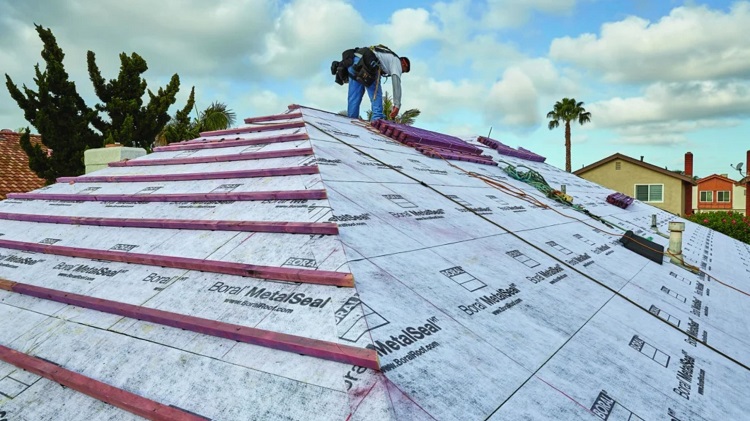
When a Texas homeowner starts noticing missing shingles, ceiling stains, or granules collecting in the gutters, one question usually comes up almost immediately: how much will a new roof cost?
For a typical 2,000-square-foot home in Texas, roof replacement costs generally range between $8,000 and $25,000+, depending on roofing materials, labor rates, roof complexity, location, and whether additional repairs are needed beneath the surface.
That price range is broad for a reason. A straightforward asphalt shingle replacement in a suburban neighborhood outside Dallas might fall on the lower end. A premium metal roof installation on a luxury home in Austin or Houston can easily push costs well beyond the average.
The good news is that understanding where the money goes makes it much easier to budget, compare contractor quotes, and avoid expensive surprises.
In this guide, we'll break down real-world roof replacement costs in Texas, explore factors that impact pricing, compare roofing materials, discuss insurance considerations, and explain how a new roof can influence property value, curb appeal, and long-term home improvement plans.
Average Roof Replacement Cost for a 2,000 Sq Ft Home in Texas
Most homeowners are surprised to learn that a 2,000-square-foot house does not necessarily have a 2,000-square-foot roof.
Roofers measure roofing projects in "squares," with one square equal to 100 square feet of roofing surface. Because of roof slopes, valleys, overhangs, and architectural features, the actual roof area is often larger than the home's living area.
For a 2,000-square-foot house, the roof surface typically ranges from 2,200 to 2,600 square feet.
Here is a realistic cost breakdown:
Asphalt Shingle Roof
- Low-end: $8,000–$11,000
- Average: $11,000–$16,000
- Premium architectural shingles: $14,000–$20,000
Metal Roofing
- Average: $16,000–$30,000
- Premium standing seam metal: $25,000–$40,000+
Tile Roofing
- Average: $20,000–$45,000+
Slate Roofing
- Average: $30,000–$70,000+
Most Texas homeowners choose architectural asphalt shingles because they balance affordability, durability, and appearance.
Why Roofing Costs in Texas Are Different
Texas isn't like most states when it comes to roofing.
Homeowners deal with:
- Intense summer heat
- Hail storms
- Hurricane-related weather along the Gulf Coast
- High winds
- Heavy rain events
- Rapid temperature fluctuations
These conditions often require stronger roofing materials and more frequent roof replacements compared to milder climates.
In many parts of Texas, roofing contractors also face increased demand after major storm seasons. When severe hail strikes cities like Dallas, Fort Worth, San Antonio, or Houston, roofing prices can temporarily rise due to labor shortages and material demand.
Cost Breakdown: Where Your Money Actually Goes
Many homeowners assume roofing is mostly material costs.
In reality, labor often represents a significant portion of the total bill.
Roofing Materials
Typically accounts for 35%–45% of total project costs.
This includes:
- Shingles
- Underlayment
- Ice and water barriers
- Ridge caps
- Flashing
- Ventilation components
- Fasteners
Labor
Usually represents 40%–60% of project costs.
Labor expenses include:
- Tear-off of old roofing
- Surface preparation
- Material installation
- Cleanup
- Safety equipment
Disposal Fees
Old roofing materials must be hauled away and disposed of properly.
Dumpster rental and landfill fees commonly add several hundred dollars to a project.
Permits
Some Texas municipalities require roofing permits.
Permit costs often range from $100 to $500 depending on location.
Structural Repairs
If contractors discover damaged decking, rotten wood, or moisture problems beneath the shingles, repair costs can increase significantly.
Roofing Material Options and Their Costs
Choosing roofing materials is one of the biggest decisions you'll make.
Asphalt Shingles
Asphalt remains the most common roofing material in Texas.
Pros
- Affordable
- Widely available
- Easier repairs
- Variety of styles
- Good warranty options
Cons
- Shorter lifespan than metal or tile
- Can suffer hail damage
- May deteriorate faster under extreme heat
Typical lifespan:
20–30 years
Metal Roofing
Metal roofs have gained popularity across Texas.
Pros
- Excellent durability
- Reflects solar heat
- Lower cooling costs
- Long lifespan
- Minimal maintenance
Cons
- Higher upfront investment
- Repairs may require specialists
Typical lifespan:
40–70 years
Many homeowners pairing roof replacement with energy-efficient windows and insulation upgrades notice substantial improvements in indoor comfort during Texas summers.
Tile Roofing
Popular in upscale communities and luxury home exterior designs.
Pros
- Beautiful appearance
- Exceptional lifespan
- Excellent heat resistance
Cons
- Heavy weight
- Higher installation costs
- Structural reinforcement may be required
Typical lifespan:
50–100 years
Factors That Affect Roof Replacement Costs
No two roofing projects are exactly alike.
Several variables influence final pricing.
Roof Pitch
Steeper roofs require additional safety equipment and labor.
A steep roof can increase costs by thousands of dollars.
Roof Complexity
Features that raise labor costs include:
- Multiple valleys
- Skylights
- Dormers
- Chimneys
- Solar panels
- Complex rooflines
Accessibility
A home with easy access for workers and materials typically costs less than a property with limited access.
Location
Pricing varies significantly throughout Texas.
Generally speaking:
- Austin tends to be above average.
- Dallas-Fort Worth falls near average.
- Houston often varies based on storm demand.
- Rural areas may have lower labor costs but higher transportation expenses.
Material Availability
Premium building materials and specialty roofing products often carry longer lead times and higher prices.
Does Home Insurance Cover Roof Replacement?
This is one of the most common homeowner questions.
The answer depends on why the roof needs replacement.
Usually Covered
- Hail damage
- Wind damage
- Falling trees
- Storm-related incidents
Usually Not Covered
- Normal wear and tear
- Neglected maintenance
- Aging roofs
- Manufacturer defects outside warranty
After major storms, many Texas homeowners file insurance claims for storm damage repair.
Before filing, consider scheduling an exterior inspection with a qualified roofing contractor who can document damage and provide evidence for your insurance company.
How a New Roof Impacts Property Value
A roof replacement is more than a maintenance project.
It's often one of the most valuable home improvement investments a homeowner can make.
Potential benefits include:
- Improved curb appeal
- Better energy efficiency
- Easier home sales
- Increased buyer confidence
- Reduced maintenance concerns
Real estate professionals frequently mention that buyers pay close attention to roof age.
A newly installed roof can become a major selling point during residential construction comparisons and resale evaluations.
While exact returns vary, many homeowners recover a significant portion of roofing investments through improved real estate value and marketability.
Signs You Need a Roof Replacement
Many homeowners wait too long before replacing a roof.
Watch for these warning signs:
Missing Shingles
Missing shingles leave vulnerable areas exposed to water intrusion.
Curling or Buckling Shingles
Heat and age can cause shingles to deform.
Granules in Gutters
Excessive granule loss often signals aging asphalt shingles.
Water Stains
Interior stains can indicate roofing failures.
Sagging Areas
Sagging sections may suggest structural damage.
Frequent Repairs
If roofing repairs are becoming routine, replacement may be more cost-effective.
Roofing and Other Exterior Remodeling Projects
Many homeowners bundle roof replacement with other exterior remodeling improvements.
This approach can save money on labor and improve overall project coordination.
Common companion projects include:
Siding Replacement
New roofing paired with vinyl siding or fiber cement siding can dramatically transform a home's appearance.
Fiber cement siding is particularly popular because of its durability and resistance to Texas weather.
Gutter Installation
Replacing gutters alongside roofing often reduces labor duplication.
New gutter installation can also improve waterproofing solutions around the home.
Exterior Painting Services
Fresh paint enhances curb appeal and complements a newly installed roof.
Window Replacement
Modern energy-efficient windows can reduce utility costs and improve overall exterior aesthetics.
Landscaping Investment
A beautiful roof stands out even more when supported by thoughtful landscaping improvements.
Common Roofing Mistakes Homeowners Make
After years of watching renovation projects unfold, certain mistakes appear repeatedly.
Choosing the Lowest Bid
The cheapest estimate isn't always the best value.
Low bids sometimes exclude important items such as:
- Underlayment upgrades
- Ventilation improvements
- Cleanup
- Warranty coverage
Skipping Multiple Quotes
Always compare several contractor quotes before making a decision.
Three estimates is usually a good starting point.
Ignoring Ventilation
Poor attic ventilation can shorten roof lifespan and increase cooling costs.
Delaying Replacement
Small problems often become major expenses when ignored.
Water intrusion can damage insulation, drywall, framing, and even electrical systems.
Not Verifying Insurance
Always verify contractor licensing requirements, insurance coverage, and references.
How to Choose the Right Roofing Contractor
Finding the right roofing contractor matters just as much as choosing materials.
Look for:
Local Experience
Texas weather creates unique roofing challenges.
Local contractors often understand regional conditions better than out-of-state storm chasers.
Strong Reviews
Read reviews carefully and look for patterns.
One negative review may not matter.
Repeated complaints often do.
Written Estimates
Detailed estimates provide transparency and reduce misunderstandings.
Manufacturer Certifications
Some roofing manufacturers certify contractors who meet specific installation standards.
Warranty Coverage
Review both workmanship and manufacturer warranties carefully.
Should You Finance a Roof Replacement?
Many homeowners use financing options when replacing a roof.
Potential sources include:
- Home equity loans
- Home equity lines of credit
- Personal loans
- Contractor financing programs
- Insurance claim proceeds
A home equity solution may provide lower interest rates than unsecured financing, although terms vary.
Always compare financing options carefully before making a commitment.
Cost-Saving Tips Without Sacrificing Quality
Saving money doesn't necessarily mean choosing the cheapest roof.
Consider these strategies:
Schedule During Slower Seasons
Roofing demand often fluctuates throughout the year.
Some contractors offer discounts during slower periods.
Compare Materials Carefully
The least expensive roofing materials aren't always the most economical long-term.
Durability matters.
Bundle Exterior Projects
Combining roofing, siding replacement, gutter installation, and exterior painting services can create labor efficiencies.
Review Insurance Opportunities
If storm damage exists, insurance may cover a significant portion of replacement costs.
Invest in Quality Installation
A properly installed roof often lasts years longer than a poorly installed premium system.
Frequently Asked Questions
How much does it cost to replace a 2,000 sq ft roof in Texas?
Most homeowners spend between $11,000 and $16,000 for a standard asphalt shingle replacement, although costs can range from approximately $8,000 to over $25,000 depending on materials, labor, and roof complexity.
What is the cheapest roofing option?
Three-tab asphalt shingles are generally the least expensive roofing material. However, architectural shingles often provide better durability and value.
Is a metal roof worth the extra cost in Texas?
For many homeowners, yes. Metal roofing offers excellent longevity, energy efficiency, and resistance to harsh weather conditions common throughout Texas.
Will homeowners insurance pay for a new roof?
Insurance may cover roof replacement when damage results from covered events such as hail, wind, or fallen trees. Normal aging and wear are typically excluded.
How long does a roof replacement take?
Most residential roof replacements are completed within one to three days, although weather conditions and project complexity can extend timelines.
Does a new roof increase home value?
A new roof can improve property value, curb appeal, buyer confidence, and overall marketability. It is often considered one of the more valuable exterior renovation investments.
Final Thoughts
For most Texas homeowners, replacing a 2,000-square-foot roof is a major investment, but it's also one of the most important upgrades you can make to protect your home.
While average costs commonly fall between $11,000 and $16,000 for standard asphalt shingles, the final price depends on roofing materials, labor conditions, roof design, local market factors, and any hidden repairs discovered during installation.
The smartest approach isn't simply finding the lowest price. It's finding the right balance between quality materials, skilled workmanship, strong warranties, and long-term performance. A properly installed roof can protect your home for decades, improve energy efficiency, strengthen curb appeal, support future exterior remodeling projects, and preserve property value in an increasingly competitive Texas housing market.
When combined with strategic improvements such as siding replacement, gutter installation, energy-efficient windows, insulation upgrades, and exterior cleaning services, a new roof becomes part of a larger investment in the long-term health and value of your property.

