
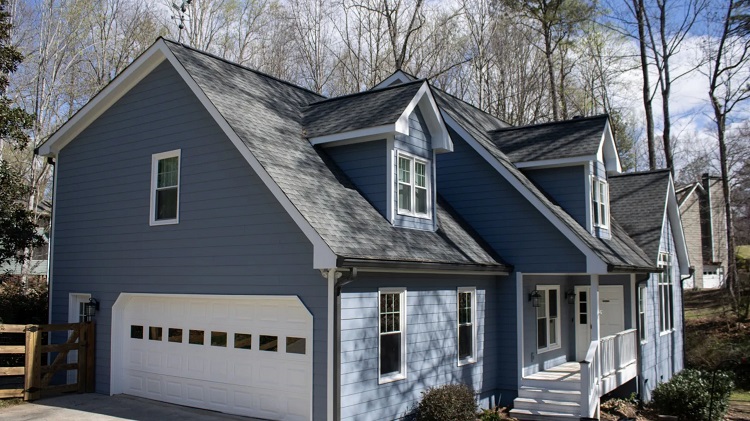
When people start planning a major exterior renovation, siding often becomes one of the biggest decisions they'll make. A new roof is important. Energy-efficient windows matter. Gutter installation helps protect the structure. But siding is what homeowners see every single day, and it plays a surprisingly large role in property value, curb appeal, maintenance costs, and long-term home protection.
Over the past decade, one material has steadily gained popularity across the United States: fiber cement siding.
What was once considered a premium alternative to traditional siding options has now become one of the most requested products among homeowners, real estate investors, exterior remodeling contractors, and residential construction professionals.
The reasons are not difficult to understand. Homeowners want durability. They want lower maintenance. They want materials that can survive harsh weather without constantly needing repairs. They also want an exterior that looks beautiful and helps maintain real estate value.
Fiber cement siding checks many of those boxes.
If you've been researching siding replacement options or planning a home improvement project, understanding why so many homeowners are making the switch can help you decide whether fiber cement siding is the right investment for your property.
What Is Fiber Cement Siding?
Fiber cement siding is a manufactured exterior cladding product made primarily from cement, sand, water, and cellulose fibers.
The combination creates a highly durable material that mimics the appearance of traditional wood siding while offering significantly better resistance to moisture, pests, fire, and weather-related damage.
Many homeowners first notice fiber cement because it looks remarkably similar to painted wood. In fact, some premium products are difficult to distinguish from real cedar unless you're standing only a few feet away.
The difference becomes obvious years later when the siding continues looking attractive while neighboring homes struggle with peeling paint, rotting boards, or insect damage.
Why Fiber Cement Siding Has Become So Popular
Exceptional Durability
One of the biggest reasons homeowners choose fiber cement siding is durability.
Traditional wood siding can crack, warp, rot, and attract termites. Vinyl siding can become brittle over time and may crack after severe weather events.
Fiber cement is built to withstand conditions that commonly damage other materials.
Depending on the manufacturer and installation quality, fiber cement siding can last 30 to 50 years or longer.
That lifespan makes it particularly attractive for homeowners planning long-term ownership or investors focused on maximizing return on investment.
Better Resistance to Extreme Weather
Weather is often the deciding factor when homeowners compare siding materials.
Across the United States, homes face different challenges:
- Hurricanes along the Gulf Coast
- Heavy snowfall in northern states
- Intense sun exposure in the Southwest
- Severe thunderstorms in the Midwest
- High humidity in the Southeast
Fiber cement performs exceptionally well in most of these environments.
Unlike wood, it doesn't absorb moisture easily. Unlike vinyl, it doesn't melt or warp under extreme heat. It also stands up well against hail and wind-driven debris.
Many homeowners who have experienced storm damage repair projects eventually upgrade to fiber cement because they're tired of repeated maintenance expenses.
Fire Resistance
Home insurance companies increasingly pay attention to building materials.
Fiber cement siding is non-combustible, making it a safer choice than many traditional siding products.
For homeowners living in wildfire-prone regions, this can be especially important.
While no exterior product can guarantee complete fire protection, fiber cement provides an additional layer of defense that many insurers and property owners appreciate.
In some situations, homeowners may even qualify for favorable home insurance considerations due to fire-resistant exterior materials.
The Curb Appeal Advantage
A Premium Appearance
First impressions matter.
Whether you're planning to sell next year or stay for twenty years, curb appeal influences how people perceive your property.
One reason fiber cement siding has exploded in popularity is its ability to create a luxury home exterior appearance without requiring luxury-level maintenance.
The material is available in:
- Traditional lap siding
- Vertical panel siding
- Board and batten designs
- Shingle-style profiles
- Contemporary architectural styles
The variety allows homeowners to match almost any architectural design.
Boosting Property Value
Real estate professionals frequently mention exterior appearance as one of the strongest contributors to perceived home value.
When potential buyers drive up to a property, they immediately evaluate:
- Siding condition
- Roofing materials
- Landscaping investment
- Window quality
- Paint condition
- Overall maintenance
A well-executed siding replacement project often delivers a strong return by improving the home's visual appeal and reducing future maintenance concerns.
Many buyers view fiber cement siding as a premium building material, which can positively influence resale negotiations.
Comparing Fiber Cement Siding vs Vinyl Siding
One of the most common homeowner questions is whether fiber cement is worth the additional investment compared to vinyl siding.
Fiber Cement Advantages
- More realistic wood appearance
- Better resistance to impact damage
- Higher fire resistance
- Greater long-term durability
- Better perceived property value
- Premium aesthetic appeal
Vinyl Advantages
- Lower upfront cost
- Faster installation
- Lightweight material
- Minimal painting requirements
Which Is Better?
The answer depends on priorities.
If the primary goal is achieving the lowest possible exterior renovation cost, vinyl siding may be the better fit.
If the goal is maximizing durability, aesthetics, long-term performance, and property value, fiber cement often becomes the preferred choice.
Many experienced exterior remodeling contractors report that homeowners who initially shop based on price frequently switch to fiber cement after seeing side-by-side comparisons.
How Fiber Cement Performs Against Wood Siding
Wood remains beautiful, but it comes with challenges.
Common Wood Siding Problems
- Rot
- Moisture damage
- Insect infestation
- Frequent repainting
- Warping
- Splitting
Fiber cement was essentially developed to replicate the appearance of wood while minimizing these issues.
Many homeowners love the classic appearance of cedar but dislike the maintenance schedule that comes with it.
Fiber cement offers a practical compromise.
Cost Considerations: Is Fiber Cement Worth It?
Typical Installation Costs
Siding replacement costs vary significantly based on:
- Home size
- Labor market
- Regional pricing
- Material selection
- Existing siding removal
- Accessibility
Most homeowners should expect fiber cement siding to cost more than vinyl but less than certain premium natural materials.
When requesting contractor quotes, it's important to compare complete project scopes rather than simply comparing square-foot pricing.
A lower bid may exclude important details such as:
- Moisture barriers
- Flashing upgrades
- Trim replacement
- Exterior inspection services
- Waste disposal
Looking Beyond Initial Costs
One mistake homeowners make is focusing entirely on installation cost.
The better question is:
"What will this siding cost me over the next 30 years?"
When maintenance, repainting frequency, repair expenses, and replacement timelines are considered, fiber cement often becomes surprisingly competitive.
Maintenance Requirements
Does Fiber Cement Require Maintenance?
Yes, but less than many homeowners expect.
Typical maintenance includes:
- Annual visual inspections
- Occasional exterior cleaning services
- Checking caulking around openings
- Touch-up painting when necessary
Compared with wood siding, maintenance requirements are significantly reduced.
Cleaning Tips
Most homes only require cleaning once or twice annually.
A garden hose, soft brush, and mild cleaning solution are usually sufficient.
Avoid excessive pressure washing because improper use can damage surface finishes.
Energy Efficiency Benefits
Many people assume siding alone dramatically lowers utility bills.
The reality is more nuanced.
Fiber cement itself is not the highest-performing insulation material available. However, when installed as part of a complete exterior remodeling strategy, it can contribute to improved energy performance.
For best results, homeowners often combine siding replacement with:
- Insulation upgrades
- Window replacement
- Energy-efficient windows
- Air sealing improvements
- Roofing system upgrades
When these improvements work together, homeowners may notice meaningful reductions in heating and cooling costs.
Fiber Cement and Exterior Remodeling Trends
Home exterior design has changed significantly in recent years.
Many homeowners are moving away from overly decorative designs and embracing cleaner architectural lines.
Fiber cement works particularly well with modern trends such as:
Modern Farmhouse Designs
Board and batten fiber cement panels have become extremely popular among modern farmhouse enthusiasts.
The clean vertical lines create a timeless appearance that appeals to both homeowners and buyers.
Contemporary Homes
Architects increasingly specify fiber cement panels for contemporary projects because of their sleek appearance and durability.
Traditional Neighborhoods
Traditional lap siding profiles allow homeowners to preserve historic charm while benefiting from modern performance.
Common Mistakes Homeowners Make
Choosing Based Only on Price
The cheapest option isn't always the best value.
Homeowners should evaluate lifespan, maintenance requirements, repair costs, and resale impact.
Hiring Inexperienced Installers
Fiber cement installation requires specialized knowledge.
Improper installation can lead to:
- Moisture intrusion
- Premature deterioration
- Warranty issues
- Reduced performance
Always verify experience before selecting a contractor.
Ignoring Moisture Management
Even premium siding systems require proper waterproofing solutions.
Quality flashing, drainage systems, and moisture barriers remain essential.
Skipping Exterior Inspections
Before replacing siding, homeowners should schedule a comprehensive exterior inspection.
This helps identify:
- Hidden water damage
- Structural concerns
- Insulation deficiencies
- Ventilation problems
Addressing these issues before installation prevents expensive surprises later.
How Fiber Cement Impacts Real Estate Value
Home buyers increasingly understand exterior building materials.
When buyers see fiber cement siding, they often associate it with:
- Lower maintenance
- Better durability
- Premium construction
- Improved curb appeal
- Long-term value
While exact returns vary by market, many real estate professionals report that exterior upgrades consistently influence buyer perception.
A home that looks well-maintained from the street generally attracts stronger interest than one showing visible exterior wear.
Combining Fiber Cement with Other Exterior Upgrades
Homeowners often achieve the best results when siding replacement is part of a broader exterior improvement strategy.
Popular combinations include:
New Roofing Systems
Upgrading roofing materials alongside siding creates a cohesive appearance.
Many homeowners coordinate roof replacement projects with siding renovations to maximize efficiency and minimize disruption.
Window Replacement
Old windows can undermine the appearance of a newly renovated exterior.
Installing energy-efficient windows often complements fiber cement beautifully.
Gutter Installation
New gutters help protect siding by directing water away from the structure.
Proper drainage remains one of the most important components of long-term exterior performance.
Exterior Painting Services
Even though many fiber cement products arrive prefinished, trim and accent features may still benefit from professional painting.
Landscaping Improvements
Fresh landscaping investment can dramatically enhance the impact of new siding.
The combination often produces one of the most noticeable curb appeal transformations available.
Who Should Consider Fiber Cement Siding?
Fiber cement is particularly well-suited for:
- Long-term homeowners
- Property investors
- Luxury home owners
- Buyers seeking premium building materials
- Homes in severe weather regions
- Owners focused on property value growth
- People tired of ongoing siding repairs
It may be less attractive for homeowners planning to sell immediately or those with extremely limited renovation budgets.
Pros and Cons at a Glance
Pros
- Exceptional durability
- Attractive appearance
- Fire resistance
- Moisture resistance
- Pest resistance
- Increased curb appeal
- Strong resale appeal
- Long lifespan
- Wide design selection
Cons
- Higher upfront cost
- Heavier material
- Professional installation required
- Periodic repainting may be needed
- Longer installation timeline compared to vinyl
Expert Recommendations Before You Buy
If you're seriously considering fiber cement siding, follow these steps:
- Schedule a professional exterior inspection.
- Gather at least three contractor quotes.
- Review warranty details carefully.
- Verify installer certifications.
- Evaluate total ownership cost, not just installation cost.
- Coordinate siding projects with roofing and window upgrades when possible.
- Ask for references from previous homeowners.
The homeowners who report the highest satisfaction levels are usually those who spend time researching contractors rather than simply selecting the lowest bidder.
Frequently Asked Questions
How long does fiber cement siding last?
Most fiber cement siding products can last 30 to 50 years or more when properly installed and maintained.
Is fiber cement siding better than vinyl?
Fiber cement generally offers better durability, fire resistance, and appearance, while vinyl usually costs less upfront.
Does fiber cement increase home value?
In many markets, fiber cement siding can improve curb appeal and positively influence perceived property value.
Can fiber cement withstand severe storms?
Yes. Fiber cement performs well in many harsh weather conditions and is often chosen for its resilience against wind, moisture, and impact damage.
Does fiber cement require painting?
Some products arrive prefinished and may not require repainting for many years. Others can be painted after installation depending on design preferences.
Is fiber cement worth the extra cost?
For many homeowners, the combination of durability, aesthetics, reduced maintenance, and long-term value justifies the higher initial investment.
Final Thoughts
The growing popularity of fiber cement siding isn't the result of marketing hype. It reflects a broader shift in homeowner priorities. People are increasingly looking for exterior materials that offer durability, beauty, safety, and long-term value rather than simply the lowest purchase price.
When combined with thoughtful home improvement upgrades such as roof replacement, energy-efficient windows, gutter installation, insulation improvements, and professional waterproofing solutions, fiber cement siding can become one of the most impactful exterior remodeling investments available.
For homeowners focused on protecting home equity, enhancing curb appeal, reducing maintenance headaches, and strengthening long-term real estate value, it's easy to understand why fiber cement siding continues to gain momentum across neighborhoods throughout the United States.

