
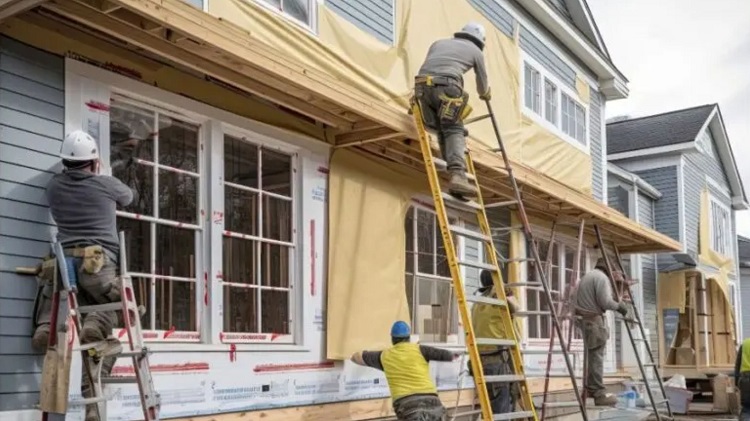
When most homeowners start thinking about siding replacement, they usually focus on one thing: making the house look better.
And to be fair, new siding can completely transform a home's appearance. It can make a 20-year-old property look almost brand new, boost curb appeal, improve energy efficiency, and even increase property value.
But here's something many homeowners discover only after signing a contract: siding replacement is rarely just about siding.
Behind those beautiful product brochures and polished sales presentations are dozens of details that often get overlooked during the quoting process. Some contractors are transparent about them. Others aren't. In many cases, it's not intentional deception—it's simply easier to sell a project when the complicated parts stay hidden until later.
If you're planning an exterior remodeling project, understanding these realities can save you thousands of dollars, prevent costly mistakes, and help you make smarter decisions for your home's long-term performance.
This guide covers what contractors often don't tell homeowners about siding replacement, including hidden costs, material limitations, installation shortcuts, warranty surprises, and practical insights that can make the difference between a successful exterior renovation and an expensive headache.
Why Siding Replacement Is More Complicated Than It Looks
Most homeowners view siding as a cosmetic upgrade.
The reality is that siding functions as a critical protective system. It works alongside roofing materials, gutter installation systems, waterproofing solutions, insulation upgrades, windows, doors, and structural framing.
When contractors remove old siding, they're essentially exposing the home's outer shell.
That's when surprises tend to appear.
Common discoveries include:
- Water damage behind walls
- Rotting sheathing
- Mold growth
- Insect damage
- Improper flashing
- Missing house wrap
- Poor insulation
- Structural deterioration
Many contractors know these issues are common. However, they often can't accurately predict their extent until demolition begins.
This is one reason contractor quotes can vary dramatically.
One company may assume everything behind the siding is in good condition. Another may include allowances for repairs.
The lower bid often looks more attractive, but it may not represent the true exterior renovation cost.
The Lowest Quote Is Often the Most Expensive Option
One of the biggest secrets in residential construction is that low bids frequently become expensive projects.
A surprisingly low estimate often means something has been omitted.
It could be:
- House wrap replacement
- Flashing upgrades
- Trim replacement
- Window integration work
- Waterproofing improvements
- Debris removal
- Permit fees
- Exterior inspection repairs
Many homeowners compare only the bottom-line number.
Experienced property investors know better.
Instead, they compare:
Material Specifications
Not all vinyl siding is the same.
Thickness, impact resistance, fade protection, and warranty coverage vary significantly.
Two bids may both say "vinyl siding replacement," yet represent entirely different quality levels.
Labor Scope
Ask exactly what's included.
Will damaged sheathing be replaced?
How much repair work is covered?
Are trim boards included?
Will exterior painting services be necessary afterward?
Warranty Coverage
Manufacturer warranties and contractor workmanship warranties are not the same thing.
Many homeowners discover this distinction too late.
Contractors Don't Always Explain the Real Lifespan of Siding
Marketing materials often suggest siding lasts forever.
Real-world performance tells a different story.
The lifespan depends on:
- Climate conditions
- Installation quality
- Maintenance habits
- Sun exposure
- Storm frequency
- Moisture management
Vinyl Siding
Typical lifespan: 20–40 years
Pros:
- Affordable
- Low maintenance
- Wide design selection
Cons:
- Can crack during extreme weather
- Susceptible to fading
- May warp under intense heat
Fiber Cement Siding
Typical lifespan: 30–50+ years
Pros:
- Excellent durability
- Fire resistant
- Strong curb appeal
- Mimics wood beautifully
Cons:
- Higher installation costs
- Heavier material
- More labor intensive
Engineered Wood Siding
Typical lifespan: 20–30 years
Pros:
- Attractive appearance
- Better impact resistance than vinyl
- Easier installation
Cons:
- Requires proper moisture management
- Performance varies by manufacturer
A contractor focused primarily on closing the sale may emphasize the best-case lifespan rather than realistic expectations.
Hidden Costs That Catch Homeowners Off Guard
One of the biggest complaints after siding replacement involves unexpected charges.
Here are some of the most common.
Sheathing Repairs
Once siding is removed, damaged wood sheathing becomes visible.
Replacing it can add hundreds or even thousands of dollars to the project.
Flashing Corrections
Improper flashing around windows and doors causes countless moisture problems.
Many homes have flashing defects that remain hidden for years.
Insulation Upgrades
This is often the perfect opportunity to improve insulation performance.
Adding insulated backing or upgrading wall insulation increases costs but can improve energy efficiency significantly.
Window Replacement
Sometimes old windows become the weak point once new siding is installed.
Homeowners frequently decide to bundle window replacement with siding work.
While the upfront cost increases, labor efficiencies can reduce total project expenses.
Gutter Installation Adjustments
New siding may require modifications to existing gutters.
This is especially common during major exterior remodeling projects.
Not Every Contractor Uses the Same Installation Standards
This is a topic that many homeowners never think about.
Most focus on materials.
Professionals focus on installation.
Even premium building materials can fail if installed improperly.
Common shortcuts include:
- Insufficient fastening
- Incorrect nail placement
- Poor flashing techniques
- Inadequate expansion gaps
- Improper moisture barriers
- Skipped sealant details
A luxury home exterior project using top-tier materials can perform worse than a modest project installed correctly.
Installation quality often matters more than product selection.
New Siding Won't Automatically Solve Energy Problems
Many advertisements suggest siding replacement dramatically lowers energy bills.
Sometimes it does.
Sometimes it doesn't.
The truth depends on what's causing energy loss.
If drafts come from:
- Old windows
- Poor attic insulation
- Air leaks
- Roofing deficiencies
Then new siding alone may have limited impact.
The most effective approach usually combines:
- Insulation upgrades
- Energy-efficient windows
- Air sealing improvements
- Exterior wall enhancements
Homeowners expecting huge utility savings solely from siding replacement may end up disappointed.
Moisture Is the Real Enemy
Contractors often spend more time discussing appearance than moisture management.
That's understandable because homeowners naturally focus on aesthetics.
Yet moisture causes far more damage than fading or outdated colors
Water intrusion can lead to:
- Structural decay
- Mold growth
- Insulation damage
- Interior wall issues
- Reduced home value
A proper siding installation should function as part of a complete water management system.
That includes:
- House wrap
- Flashing
- Drainage planes
- Proper trim details
- Roof integration
- Gutter performance
When evaluating contractor quotes, ask how they manage water.
The answer can reveal a lot about their expertise.
Insurance Claims Aren't Always Simple
Many homeowners assume home insurance will pay for siding replacement after storm damage.
Unfortunately, claims aren't always straightforward.
Coverage depends on:
- Policy terms
- Age of siding
- Cause of damage
- Material availability
- Regional regulations
In some situations, insurers may cover only damaged sections.
That can create a problem if matching materials are no longer manufactured.
Before filing claims, consider consulting both your insurance provider and an experienced exterior contractor familiar with storm damage repair.
Understanding your policy can prevent surprises during the claims process.
The Best Time to Replace Siding Might Not Be When You Think
Many contractors promote spring and summer installations.
While those seasons are popular, they're not always ideal.
Fall often offers advantages:
- Moderate temperatures
- More contractor availability
- Potential scheduling flexibility
- Better installation conditions
Winter projects can sometimes result in lower contractor demand and more competitive pricing.
Weather conditions matter more than the calendar itself.
An experienced contractor will evaluate temperature, moisture, and installation requirements before recommending timing.
Color Choices Can Affect Future Property Value
Choosing siding color seems purely personal.
It isn't.
Color influences:
- Buyer perception
- Real estate value
- Curb appeal
- Neighborhood compatibility
Neutral colors typically appeal to broader audiences.
Popular options include:
- Soft gray
- Warm beige
- White
- Light taupe
- Greige
Bold colors can look stunning on luxury home exterior projects but may narrow buyer appeal later.
If resale value matters, consider balancing personal taste with market preferences.
Cheap Siding Can Become Expensive Maintenance
Many homeowners focus heavily on upfront pricing.
That's understandable.
However, long-term ownership costs deserve equal attention.
Lower-quality siding may lead to:
- More repairs
- Faster fading
- Greater storm vulnerability
- Reduced energy performance
- Shorter replacement cycles
The difference between budget and premium materials often becomes obvious after five to ten years.
Investing slightly more initially can reduce future maintenance expenses substantially.
Why Exterior Renovation Projects Often Expand
Contractors sometimes joke that siding replacement reveals everything homeowners didn't want to know about their house.
There's truth behind the humor.
Once work begins, many homeowners discover additional opportunities:
Roofing Improvements
A roof nearing the end of its lifespan may become more obvious during exterior upgrades.
Coordinating roof replacement and siding replacement can create a more cohesive exterior appearance.
Exterior Painting Services
Trim, fascia, and architectural details may need updating to match new siding.
Landscaping Investment
Fresh siding often inspires homeowners to improve landscaping.
The combination can dramatically increase curb appeal.
Window Upgrades
Old windows frequently look dated next to brand-new siding.
Bundling projects can improve aesthetics and energy performance simultaneously.
Questions You Should Ask Before Signing Any Contract
Many homeowners focus on what contractors tell them.
It's often more important to focus on what they don't mention.
Ask these questions:
What Happens If Water Damage Is Found?
Get written pricing procedures for unforeseen repairs.
Who Handles Permits?
Clarify responsibility before work begins.
What Brand and Product Line Will Be Installed?
Specific product details matter.
How Will Windows and Doors Be Flashed?
The answer reveals installation expertise.
What Is Covered Under the Workmanship Warranty?
Request written documentation.
Can You Provide Recent Local References?
Recent projects often provide the most relevant feedback.
Red Flags Homeowners Should Never Ignore
Some warning signs appear before the project even starts.
Watch for:
- Pressure sales tactics
- Extremely low bids
- Vague contracts
- No proof of insurance
- No references
- Large upfront payments
- Unwillingness to answer technical questions
Professional contractors welcome informed homeowners.
If a company becomes defensive when questioned, that's worth noting.
Expert Tips for Maximizing Return on Investment
If increasing home equity and property value are priorities, focus on strategic upgrades.
Pair Siding With Energy Improvements
Combining siding replacement with insulation upgrades often creates better long-term value.
Upgrade Visible Architectural Details
Trim, shutters, columns, and entryways can elevate the entire exterior.
Address Roofing Issues Simultaneously
Coordinated exterior improvements create stronger buyer impressions.
Don't Neglect Gutters
Effective gutter installation protects your investment and improves water management.
Schedule Routine Exterior Inspections
Preventive maintenance extends material lifespan and reduces repair costs.
Frequently Asked Questions
How much does siding replacement cost in the United States?
Most homeowners spend between $8,000 and $30,000 depending on material type, house size, labor rates, and repair requirements. Premium fiber cement siding and luxury exterior projects can exceed those ranges.
Is fiber cement siding worth the extra cost?
For many homeowners, yes. Fiber cement siding offers excellent durability, fire resistance, and long-term curb appeal. The higher initial investment often pays off through longevity and reduced maintenance.
Should I replace windows when replacing siding?
Not always, but it's worth evaluating. If windows are older, inefficient, or nearing replacement age, combining projects can reduce labor duplication and improve overall energy performance.
Does new siding increase property value?
In many markets, yes. New siding can improve curb appeal, increase real estate value, and make homes more attractive to potential buyers.
Can siding replacement lower insurance premiums?
Sometimes. Certain impact-resistant materials may qualify for discounts depending on the insurer and local weather risks. Contact your home insurance provider for details.
How long does siding replacement take?
Most residential projects take one to three weeks, though weather conditions, repairs, and project complexity can affect timelines.
The Reality Most Homeowners Learn Too Late
The biggest thing contractors often don't tell homeowners is that siding replacement isn't really a siding project.
It's a building envelope project.
The visible panels are only one piece of a much larger system involving waterproofing, insulation, roofing integration, drainage management, ventilation, and long-term structural protection.
Homeowners who understand this tend to make better decisions, receive more accurate contractor quotes, avoid costly surprises, and achieve stronger returns on their home improvement investments.
The most successful projects aren't necessarily the cheapest or the most expensive. They're the ones where homeowners understand exactly what they're buying, why it matters, and how every component contributes to the long-term health, efficiency, durability, and value of the home.

